
farmer standing in a field with bales

The changing face of Canadian farms

A close look at the current census will give us a chance to examine the evolution of Canadian agriculture

Every five years, Canada’s federal government asks us to provide details on who lives in our household. The demographic information is used to guide decisions ranging from school planning to transportation infrastructure to government transfers. Among the census questions is one that asks if you intend to sell agricultural produce. This may strike most as

(Scott Bauer photo courtesy ARS/USDA)

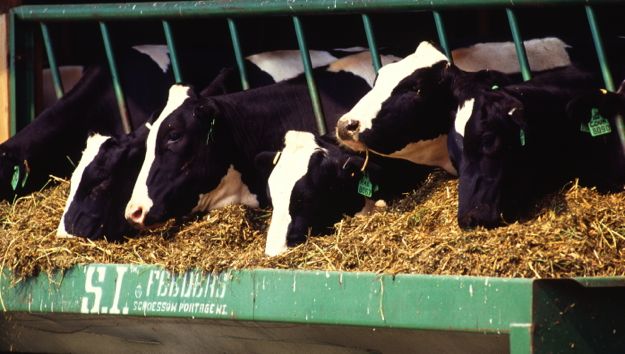
Lower feed costs weigh on supply-managed goods

CNS Canada –– Relatively soft feed grain prices over the past year mean producers of supply-managed commodities, such as milk and eggs, have also received lower prices for their products. Such is the interpretation of industry participants accounting for declines in the latest Farm Price Index data released by Statistics Canada. The livestock and animal


Record-low summerfallow expected

CNS Canada — Changing farm practices and moving world markets over the years have seen shifts in the makeup of the crops grown in Canada — but the most noticeable change in the past three decades may be the amount of land seeded to nothing. Heading into the 2016 growing season, Canadian farmers say they


(Dave Bedard photo)

Flax expected to lose a third of acres

CNS Canada — Canada’s flax acres are expected to fall about a third from last year’s levels, according to Statistics Canada data. One market participant says weaker prices have influenced farmers, while another says smaller crops are often overlooked during surveys. StatsCan estimates flax’s seeded area at about 1.1 million acres, compared with 1.6 million acres