


Hog shortage forces ‘non-production days’ at Maple Leaf

Pork producers say lifting anaerobic digester requirement
 would make building more barns affordable

A shortage of hogs has forced Maple Leaf Foods to implement one “non-production” day a week at its Brandon processing plant. While the reasons for the shortage are complex, some in the industry say the solution is simple‚ more pigs. The Manitoba Pork Council says that means building more finisher barns, which hasn’t happened since
canola seedling

Making broadcast seeding work for you

Incorporation is a prerequisite to getting crop insurance coverage, as well as crop 
establishment that is equal to or greater than the farmer’s coverage

If you’re broadcast seeding it’s probably because the soil is too wet to permit conventional planting. But ironically, you’ll need more rain to germinate that broadcasted crop because of poor seed-to-soil contact. “Rainfall is important after because if the seed is on the soil surface you’ll need the rain to get it going,” Lionel Kaskiw,


Crop insurance changes discussed at KAP meeting

Changes coming to Excess Moisture Insurance (EMI) are aimed at reducing “moral hazard” that could undermine the program’s integrity. “It just seemed from our experience there was a disproportionate amount of land coming into our program in wet years than there was in dry years,” David Van Deynze, the Manitoba Agricultural Services Corporation’s (MASC) manager

Provincial office mergers to save $1.49 million annually

MAFRI offices in Treherne, Stonewall, Shoal Lake, Neepawa and Boissevain will be merged with the ones in nearby communities

The Manitoba government has announced a new wave of consolidations in rural areas and Winnipeg in a move it says will save $1.49 million annually. “In this time of economic uncertainty we are committed to finding responsible ways to reduce spending by improving and modernizing service delivery,” Finance Minister Stan Struthers said in a release.


Province sued over 2011 flooding

Residents say province’s bid to protect Winnipeg by diverting water into 
Lake Manitoba greatly increased the damage they suffered

A group of frustrated Lake Manitoba residents is suing the province for $260 million for what they say was the artificial flooding of their homes, cottages and property in 2011. “That was a man-made flood, and it was a government decision that caused it,” said Fred Pisclevich, one of the plaintiffs hoping the lawsuit will


IP program portends changes to registration system

An identity-preserved production contract a Manitoba company is offering for the U.S. wheat variety Faller this spring could be a sign of things to come as Canada’s variety registration system faces unprecedented pressures for change. Farmers selling Faller, a high-yielding, lower-protein, unregistered American spring milling wheat, would normally get a feed wheat price. But those

2012 Manitoba barley yields highly variable

Farmers in the Red River Valley harvested a bumper crop, 
but it was the exception. 
Overall yields were below average.

Manitoba’s 2012 barley crop averaged 54 bushels an acre — 14 bushels higher than in 2011, but almost nine per cent lower than the 10-year average of 59, Manitoba Agricultural Services Corporation (MASC) data shows. The provincial average yield doesn’t tell the whole story. Many Red River Valley farmers harvested a bumper crop of barley


Crop insurance expands areas for heat-loving crops

This is something farmers have been asking for, especially 
with the release of earlier-maturing varieties

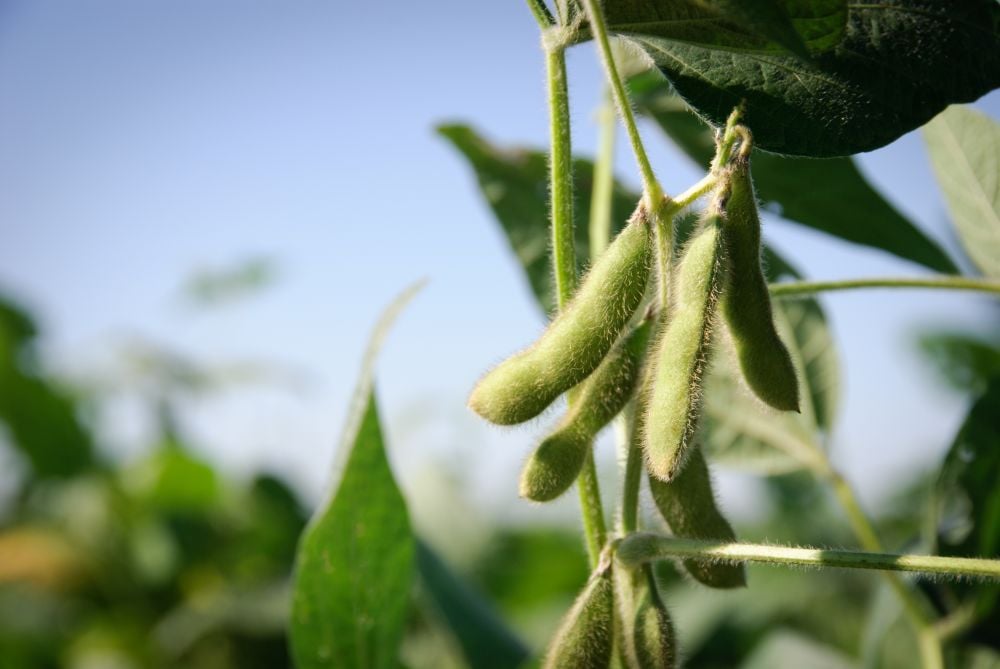
Crop insurance on soybeans, corn, open-pollinated corn, edible beans, sunflowers and lentils is being expanded — on a test basis — across Manitoba this year. Until now, those crops were only insurable in areas deemed to be warm enough, and with enough frost-free days. However, farmers from outside those areas have been asking for coverage,

Other Manitoba crop insurance changes for 2013 and 2014

Expanding crop insurance coverage is just one of the changes for crop insurance in 2013 and 2014. Here are some others. Dollar selections per acre have increased to the following: All crops (excluding potatoes, vegetables and strawberries) $120, $160 and $200. For potatoes, the levels are $250, $500 and $750 and for vegetables and strawberries,