


CME August 2020 live cattle with 20- and 50-day moving averages. (Barchart)

U.S. livestock: Cattle, hogs end firm on light recovery bounce

Ramped-up slaughter pace keeps lid on rallies

Chicago | Reuters — U.S. live cattle futures closed modestly higher on Monday, shaking off early declines and firming on technical buying ahead the end of the month and quarter, after a three-session slide last week, traders said. A firmer close in Wall Street equity markets lent support as optimism about the U.S. economy could


CME August 2020 live cattle with 20-, 50- and 100-day moving averages. (Barchart)

U.S. livestock: Cattle futures, beef prices decline

Lean hogs up amid technical buying

Chicago | Reuters — U.S. live cattle futures fell Thursday as boxed beef prices tumbled under pressure from rising production. Beef output has increased as meat companies increase slaughtering after temporarily closing processing plants in April and May because of outbreaks of the COVID-19 coronavirus among workers. Processors killed an estimated 120,000 cattle on Thursday,

(Dragos Cojocari/iStock/Getty Images)

Hog sector hit hard by pandemic

Market weakness seen likely to push some farmers out of business

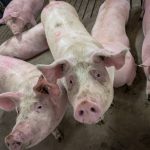
MarketsFarm — COVID-19 has hit the hog sector hard, with the double-edged sword of large supplies and reduced demand weighing heavily on the market. “The prospect of profitability at current forward prices and at current cash prices is nil… and there’s really no prospect of making anything this year,” said Tyler Fulton, director of risk


CME July 2020 lean hogs with Bollinger (20,2) bands. (Barchart)

U.S. livestock: Hogs down, cattle up on demand issues

Cash cattle values hint at increased demand

Chicago | Reuters — U.S. lean hog futures dipped on Tuesday, as questions continued to grow about whether pork export demand from China will surge and eat through massive domestic stockpiles, traders said. Meanwhile, cattle futures rose as the cash market showed hints of increased demand from packers hungry to supply grocery stores and restaurants


CME August 2020 live cattle with 20-, 50- and 100-day moving averages. (Barchart)

U.S. livestock: Live cattle futures touch one-month low

Improving production pressures hog futures

Chicago | Reuters — U.S. live cattle futures dropped to their lowest price in more than a month on Friday, weighed down by expectations for increasing meat production. Beef output has improved as slaughterhouses have resumed operations after closing temporarily in April and May due to outbreaks of the new coronavirus among plant workers. The

CME July 2020 lean hogs with Bollinger (20,2) bands. (Barchart)

U.S. livestock: Lean hog futures down on large supplies

CME August cattle also close lower

Chicago | Reuters — U.S. lean hog futures extended a decline on Thursday under pressure from large supplies and rebounding pork production, analysts said. Traders expect meat packers to have ample hogs to slaughter after livestock backed up on farms when processing plants temporarily closed in April and May because of COVID-19 outbreaks among meatpacking


CME August 2020 live cattle with 20-, 50- and 10–day moving averages. (Barchart)

U.S. livestock: Live cattle set one-week highs in rebound

Chicago lean hogs close lower

Chicago | Reuters — U.S. live cattle futures rose on Tuesday, reaching one-week highs in a rebound from losses last week, as traders noted that meat companies have been slaughtering more livestock. The number of livestock being killed each day has recovered from April and May, when processors temporarily shut slaughterhouses due to massive outbreaks

CME June 2020 live cattle with 20-, 50- and 100-day moving averages. (Barchart)

U.S. livestock: Live cattle stabilize, beef prices fall further

Technical buying supports CME lean hogs

Chicago | Reuters — U.S. live cattle futures stabilized on Monday after falling last week as beef prices weakened, traders said. The market is expected to remain under pressure as beef production continues to recover from disruptions in April and May linked to coronavirus outbreaks among workers at meatpacking plants. Meat processors slaughtered an estimated