


Continue to monitor grain stored in bags frequently. Grain bags that run east-west will have solar heating on the south side, which creates a temperature variation 
that will move moisture to the north side.

Warmer temperatures mean warmer grain in the bin

Solar heating on the south side of bins means that proper spring grain drying and storage are critical

As outdoor temperatures increase, stored grain requires attention to prevent losses, says Ken Hellevang, North Dakota State University Extension agricultural engineer and grain-drying expert. The stored grain temperature increases in the spring not only due to an increase in outdoor temperatures but also due to solar heat gain on the bin. Solar energy produces more

Stored grain has to be both cool and dry to minimize the risk of spoilage.

Drying grain may become the norm as harvests trend later

Natural air drying with supplemental heat hasn’t caught on in Alberta yet, but it soon could, says expert


Prairie farmers may need to get used to leaving grain in the field at harvest. “Harvest might be starting earlier, but poor weather during the harvest season is slowing down that last little bit of harvest, and there’s more and more crop being left in the field in October,” said Joy Agnew, program manager at


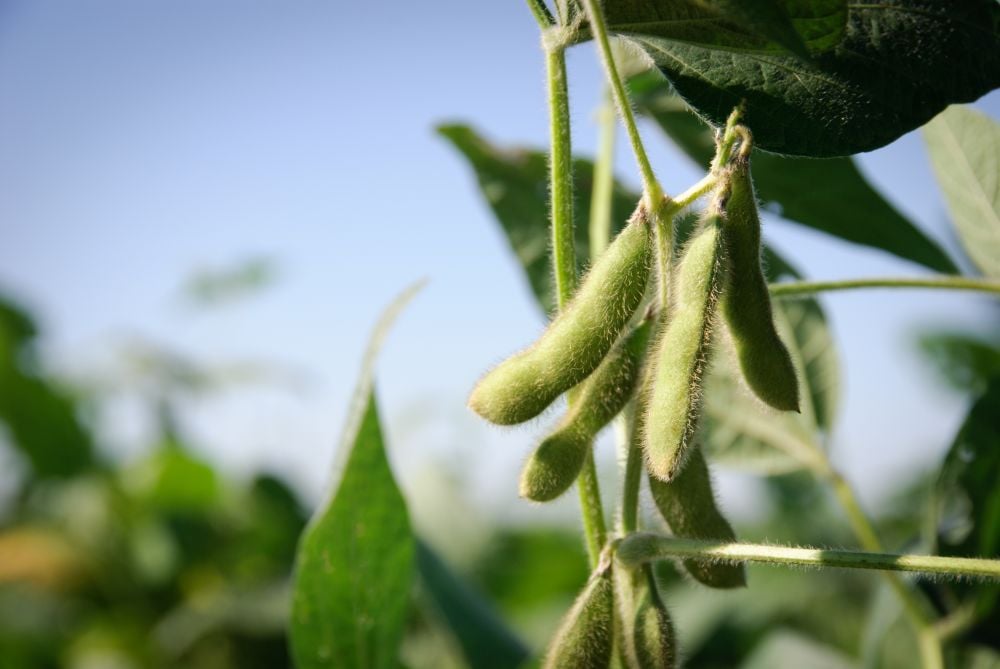
Soybeans need to be aerated to keep them cool once they are harvested and in storage.

Challenging harvest means storage issues for soybeans

Cooling bins and holding until spring, then completing drying, appears the best strategy

A challenging soybean harvest is raising many storage and drying questions, according to Ken Hellevang, agricultural engineer with North Dakota State University Extension. Soybeans at 11 per cent moisture have similar storage characteristics as wheat or corn at about 13.5 per cent moisture, so 16 per cent moisture soybeans might be expected to store the

Propane deliveries have hit a frenzy in Saskatchewan, although the same service delays have not been noted in Manitoba so far.

Wet weather fuels propane demand for grain dryers

Co-op says propane deliveries have hit record highs in Saskatchewan and are elevated elsewhere, although there have not yet been widespread service issues in Manitoba

Propane demand has skyrocketed across the Prairies as more farmers look to their grain dryers, but Manitoba has so far avoided the service crunch. Demand for drying capacity has seen a sharp rise given the region’s early taste of winter. In the western Prairies, photos of producers checking standing crops via snowmobile have streamed over


With crops coming off the field, many farmers are switching on the aeration fans, but what are the best practices 
for natural air drying?

What’s the word on night-only aeration?

Research urges farmers to go nocturnal when it comes to aeration and natural drying

Experts are still divided when it comes to night-only natural air drying. Dr. Ron Palmer, project engineer with the Indian Head Agricultural Research Foundation, made waves in 2015, when he suggested that grain would dry better at night when air temperature outside was less than grain temperature. The idea flew in the face of conventional

Tech targets ideal aeration through bin-specific data

Farmers can access the free online calculator to hone in on ideal drying conditions, 
while an experimental algorithm looks to automate the practice

New technology out of Saskatchewan hopes to nail down the ideal time for aeration and automate fan operation. Ron Palmer, of the Indian Head Agricultural Research Foundation, has released two projects, a bin-specific online calculator to determine if air conditions are right for drying and new software that monitors air going in and leaving the


Manitoba farmers with crop still in the field have now experienced both ends of the moisture spectrum in a single season.

Formerly parched grain now fighting moisture after September rains

2017 will be remembered as a dry year, but the latest harvest is still fighting high moisture 
after a series of rains in September

Manitoba’s early harvest was dry, but now a rash of rains has left producers fighting moisture and wondering when to give up on drying in the field. Francois Labelle, general manager for the Manitoba Pulse and Soybean Growers, said most grain being harvested is several percentage points above safe storage since the dry spell broke.

It’s a crucial window to ensure soybean harvest quality as the crop comes off and goes into the bin.

Avoid soybean loss during harvest, drying and storage

Shattered beans can badly affect the profitability of your crop

Harvest timing can have a huge impact on soybean shatter losses, according to North Dakota State University Extension Service agricultural engineer Ken Hellevang. “Field losses, splits and cracked seed coats increase as moisture content decreases,” he says. “Shatter losses have been shown to increase significantly when seed moisture falls below 11 per cent or when


Excess moisture issue for remaining canola

Excess moisture issue for remaining canola

Late season canola harvesting could mean difficulties for those trying to lower moisture levels

While most Manitoba canola growers already have their crops in the bin, some producers have been caught by late-season precipitation, including snow. “There is the odd field that is unharvested and most of those acres would be concentrated in the northern part of Manitoba — when we look farther south and east the vast majority

Become a chinchilla farmer in your spare time

Become a chinchilla farmer in your spare time

Our History: December 1968

Prairie farming has a history of exotic livestock ventures that offered more promise than results. This ad for prospective chinchilla ranchers ran in our Dec. 5, 1968 issue. In an unusual move, we ran a front-page editorial to bring attention to the need to dry grain from the disastrous 1968 harvest. The editorial said that