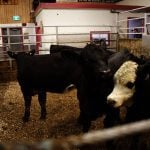
Young calves play on a farm in central Manitoba.

Cameras make a difference in winter calving

Cameras can take the stress out of calving season, provide peace of mind and make checking cattle easier, especially in the colder months

Calving cameras can take the stress out of winter calving for seed stock producers on the Prairies dealing with cold weather. They can provide peace of mind and make checking pregnant cows easier.



It is crucial to plan ahead to make sure your cattle are ready for breeding season.

Beef 911 : Breeding season prep checklist

The time to set your 2025 calving season up for success is right now

Preparing for breeding season, from cow condition to bull breeding soundness, gives beef producers a headstart on a good 2025 calving season. Here are some expert tips to consider.


Moving on from a preg check wreck

Moving on from a preg check wreck

The story of a reproductive wreck, and what we’re learning from it

A “black swan event” is a term well-used in stock market analysis to describe an unpredictable event that is beyond what is normally expected of a situation and has potentially severe consequences. As ag producers, we all will, at some point and time, have a black swan event that puts us to the test and

A cow-calf pair from Nanita Blomquist’s ranch near Big Valley, Alta. Feeding pregnant cows at night has sometimes increased daytime calving, but Blomquist only uses the method when it fits with the work schedule on the ranch.

Feed at night, birth by day? It might work, but is it worth it?

Feeding pregnant cows in the evening may increase the odds of daytime calving, but there’s a but

Glacier FarmMedia – Feeding pregnant cows at night may increase the chances that they will conveniently calve in daytime. “I think there could be some merit,” said Dr. Cody Creelman. “I’ve had several clients over the years try it. Several have thought it’s perhaps a good feeding method and they think that it does have the desired effect.” While not having


When used properly, heat lamps can help newborn livestock stay warm during harsh weather.

Take precautions when using heat lamps for newborn livestock

The use of heat lamps increases the risk of fire, but with proper safety precautions they can be a helpful tool

As spring approaches, many ranchers prepare a clean, dry and warm place for newborn animals. Frigid temperatures make it a challenge to keep newborn livestock warm and protected from harsh winter elements. One option is to provide supplemental heat from heat lamps but severe risks can accompany their use inside a barn. “As livestock producers,

Even when using low-stress handling techniques, cattle can get worked up in certain situations and can benefit greatly from tranquilization.

Often a tranquilizer makes things easier for cattle and their owner

Beef 911: There is a non-prescription product that has many uses and can be administered by producers

There are many times when tranquilization makes it easier on both cattle and the operator. The main tranquilizer I am talking about is acepromazine, a member of the phenothiazine tranquilizer family. It is not a prescription product and producers can be trained in its usage and in the way it is delivered. Since the dosage is pretty


Having a system in place for winter calving can reduce the risk of disease spread.

Prepare for cold-weather calving

Adequate preparation for winter calving can help reduce the risk of disease spread

The winter of 2022-23 has already been challenging for beef producers. With the ground not entirely frozen due to the insulation effect of early snows, many are set up for wet, muddy, and unsanitary conditions for calving. “For cattle operations that begin calving during this time, cows must have access to some type of confinement

Cattle weather heavy snow near Belmont, Man., in mid- to late April.

Calving losses add insult to injury

Three Colorado lows in as many weeks, mixed with cold in between, has winnowed an already small calf crop

Iain Aitken was about two-thirds of the way done calving in the last week of April, but he’d already seen twice the calf losses he’d expect in a full season. About half of those, he estimated, were direct losses from the weather — the unfortunate legacy of a string of Colorado lows that dropped well