
I can’t think of a way to lay out my thoughts on the events of Jan. 22, when Agriculture and Agri-Food Canada (AAFC) suddenly cut more than 600 staff, without sounding stuck in a place of self-interest.
Leading up to that day, media outlets reported “workforce adjustment” notices coming for multiple departments, with AAFC among them. When, and how many jobs lost for agriculture? The closest thing to an answer I could find the night before appeared to be a letter to AAFC staff from the department’s deputy minister, copied and posted to Reddit by a third party on the CanadaPublicServants subreddit.
There was no reason to doubt its accuracy, but the idea of relying on Reddit as a sole sources makes any good journalist squirm. Fortunately, our national affairs reporter, Jonah Grignon, was able to get confirmation from an AAFC source on Jan. 22 that the letter was correct: about 665 positions were to be cut, with notifications going out to affected employees that day.
Read Also

Iran war catches Prairie farmers in the geopolitical crossfire — again
Prairie farmers didn’t ask for a Mideast conflict to squeeze global fuel and fertilizer supply chains — threatening to send farm costs spiking — but here we are.
Later the same day, though, we began seeing more posts from third parties on social media, this time that federal research farms and facilities would be closing. From the federal government itself though? We got only crickets.
Most of our staff were still out Jan. 23 confirming where job cuts and facility closures are to happen at all.
A single federal press release or public statement up front would have made our jobs way easier and freed up time to ask the deeper question: How will these cuts affect farmer-facing services and research?
More to the point, it would have given some much-needed certainty rather than abdicating the conversation to spiral into speculation and rumour.
This isn’t necessarily to suggest there shouldn’t have been spending cuts. After the last federal budget rolled in November, we all knew there would be cuts — just not the where, when or how.
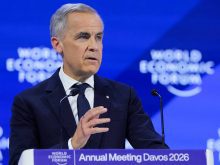
Nor is it to suggest federal officials had nothing else important to do. That week in the news included the prime minister’s remarkably consequential speech at the World Economic Forum in Davos, and the cabinet retreat in Quebec right afterward, ahead of the House of Commons coming back Jan. 26 from adjournment.
But Canada’s government is a big organization and can do more than one thing at a time. On Jan. 22 alone, it publicly announced a funding extension for the Manitoba Farmer Wellness Program, funding for subway train manufacturing in Quebec, a new Competition Bureau report on businesses’ use of “algorithmic pricing,” seizures of contraband at the federal penitentiary in Kingston and that a National Film Board-funded short film is up for an Oscar.
My point is, the Liberal budget firmly declared a dual agenda of building a more versatile Canadian economy while “spending less to invest more” and pursuing responsibility through this “comprehensive expenditure review.”
Yet when workforce adjustment and closure notices went out nationwide, affecting thousands of workers’ lives and communities, the government chose not to get out in front of its cuts at all — even if just to try and keep control of its own messaging.
The government’s budget trumpeted its commitment to fiscal responsibility by cutting $60 billion in spending over the next five years. It’s not to much to ask that, once a course of action is set, the Liberals at least try to own their own decisions.