Making sure there’s enough money is never the sexy bit of a project. There’s a reason that the words “accountant” or “budget meeting” are synonymous with “boring.”
Without the money though, none of the exciting stuff gets done, and while hours wrestling with numbers may not inspire movie action sequences, the details of funding — where the money comes from, who’s all paying how much, how it’s used and to whose benefit and any vested interests of funders — can easily lead to organizational strife or accusations of bias, if not in the research results, then in what kind of research actually gets done.
We can see this in agricultural research in Canada. There’s public and farm-group spearheaded research. But there’s also a feeling those innovation sources are becoming co-opted. That includes a perception that big name companies increasingly are taking over the research sphere, or that their tendrils increasingly dig into even ostensibly neutral research. On the other side of the ledger, there’s the feeling government and political agenda may have their hands laid too heavily on how research funds are allocated.
Read Also
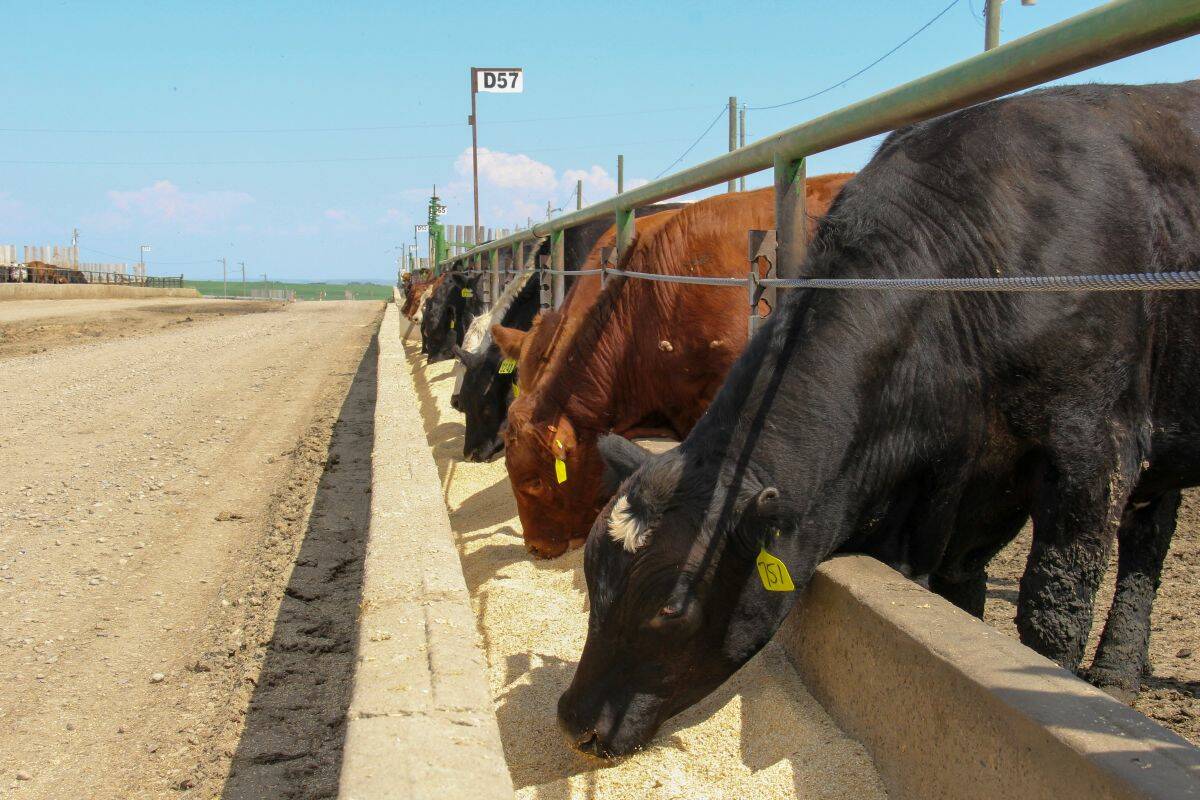
Calves in the feedlot: Feed additives to beat out coccidiosis
Adding ionophores to the calf feed ration can prevent cattle disease like coccidiosis and improve digestive efficiency in Canadian feeder calves.
Farmers, as the Canadian Wheat Research Coalition recently noted after announcing a third-party review of Canada’s wheat breeding system, put a lot of their own money back into research. They deserve reassurance that the research being done in their name actually serves their farms, without worry about recouping costs or driving profit for the organizations doing the researching.
There’s a burning need for innovation in Canadian agriculture, and corporate names can bring a lot of resources to that table. There’s no doubt big agribusiness has a lot of R&D weight to throw around, and that can result in more targeted attention into cutting edge innovation.
The problem, of course, is that not everything worth doing checks the boxes for potential profit.
‘We choose not to’
Back in September, our reporter Jeff Melchior wrote that progress was finally being made on a vaccine for bovine tuberculosis (bovine TB). MSX-1 didn’t quite convey the protection of the standard BCG vaccine in mice, but it also didn’t twig a false positive during TB testing — a main obstacle for herd vaccination.
In a funny bit of serendipity, the same week Melchior submitted his article, I floated to the top of the library waiting list for Everything is Tuberculosis: The History and Persistence of Our Deadliest Infection. The book, the latest by John Green, outlines the history, changing social perception, medical evolution, societal impacts and current state of tuberculosis.
Green took readers through Robert Koch’s discovery of the tuberculosis-causing bacteria — he’s the same guy who discovered that certain bacteria cause certain diseases — and his late-19th-century development of tuberculin, which a few decades later became the foundation of tuberculin skin testing. Likewise, Green talked about the live vaccine BCG and its development and adoption through the 1920s.
I had just read those terms in Melchior’s article. We still use tuberculin skin tests. BCG, meanwhile, is used in parts of the world, although it isn’t standard for human use in Canada or the U.S. and, because of the aforementioned false positives, has been a problem for livestock vaccination. It also doesn’t work very well, as vaccines go. Government of Canada materials put its efficacy of preventing TB at about 51 per cent, rising to 78 per cent for newborns being protected against meningeal TB.
To sum up, it’s not that effective and has a geriatric pedigree. And for all those flaws, it remains the only vaccine, for human or livestock, that we’ve got.
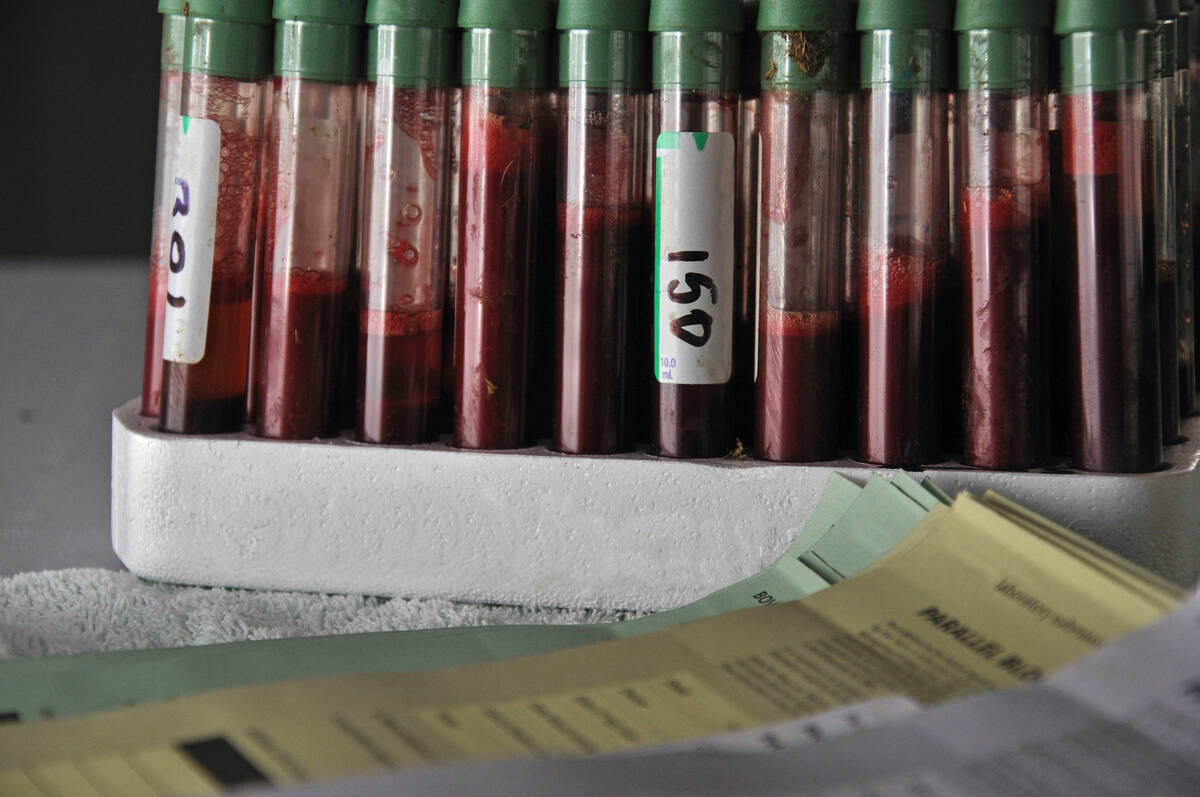
It seems mind-blowing that, in the technological age of gene editing, PCR tests, mRNA vaccines and artificial intelligence, we are still using tools that date back to the dawn of germ theory.
Why has the timeline been so sluggish? Most in Canada or the U.S. might be forgiven for thinking that new tools are simply not needed anymore. After all, the landscape is dotted by now abandoned sanitariums that emptied out with the advent of antibiotics. Today, with the unfortunate exception of some Indigenous communities, most of us think of tuberculosis as something out of a period drama rather than a real threat.
But the argument that tuberculosis and bovine TB no longer warrant substantial research attention doesn’t hold water. For one thing, as Green notes, it’s not a thing of the past. It has, in fact, historically held the spot as our deadliest infectious disease year upon year, except for the pandemic years of COVID-19.
According to the World Health Organization, tuberculosis killed 1.25 million people and sickened 10.8 million in 2023 alone. The agency also noted it was “a major cause of deaths related to antimicrobial resistance,” a boogeyman that health and veterinary officials worldwide have flagged for human health risk.
In Canada, Indigenous populations still had a TB rate of 26.4 per 100,000 in 2010, according to government statistics.
That doesn’t sound like a thing that’s not worth researching solutions for.

When it comes to bovine tuberculosis, there’s the argument that current monitoring and eradication systems are being effective in keeping infected animals out of the food chain. To be fair, the net of abattoir testing has successfully caught infected animals in recent years, the most recent being found in Manitoba this summer.
For those who have had herds depopulated or operations disrupted by quarantine though — not to mention the general industry anxiety of trade disruptions — they probably would have appreciated a more robust toolbox with some options developed in the last half-century.
Green suggests cost-effectiveness as a much more insidious reasoning than lack of need. There is an obvious, compassionate reason to throw investment at tuberculosis research, but not so much of a profit-based one. Those millions that still die of tuberculosis are largely in poorer countries. Corporately developed solutions have to pay for themselves. The math doesn’t pencil out.
“We know how to live in a world without tuberculosis, but we choose not to live in that world,” Green writes.
Bringing it back to Canadian agriculture, the issue of public versus private funding is an undercurrent in areas like the plant breeding space and dovetails with questions around food sovereignty.
We do need to build an environment where companies feel comfortable investing in innovation and where new companies can find fertile, profitable ground to grow and thrive. At the same time, farmer interest, divorced from motivations of profit, needs to have room to keep at least some kind of hand on the wheel.
Like most things, it’s a balance, one that gets increasingly hard to hold when public budget belts tighten or if public funds start to come with ideological strings. Good farmer-interested research is important, and needs to be protected.