Viterra is the latest organization headed to transportation court seeking better rail service for grain.
It filed a level-of-service complaint with the Canadian Transportation Agency (CTA) against CN Rail June 20 alleging the railway breached its level-of-service obligations by failing to provide cars in accordance with CN’s car-rationing plan.
Industry observers don’t expect it to be the last. A trickle of formal complaints could turn into a torrent, following the CTA’s decision to grant Louis Dreyfus Commodities’ request for interim relief against alleged poor CN service.
Read Also
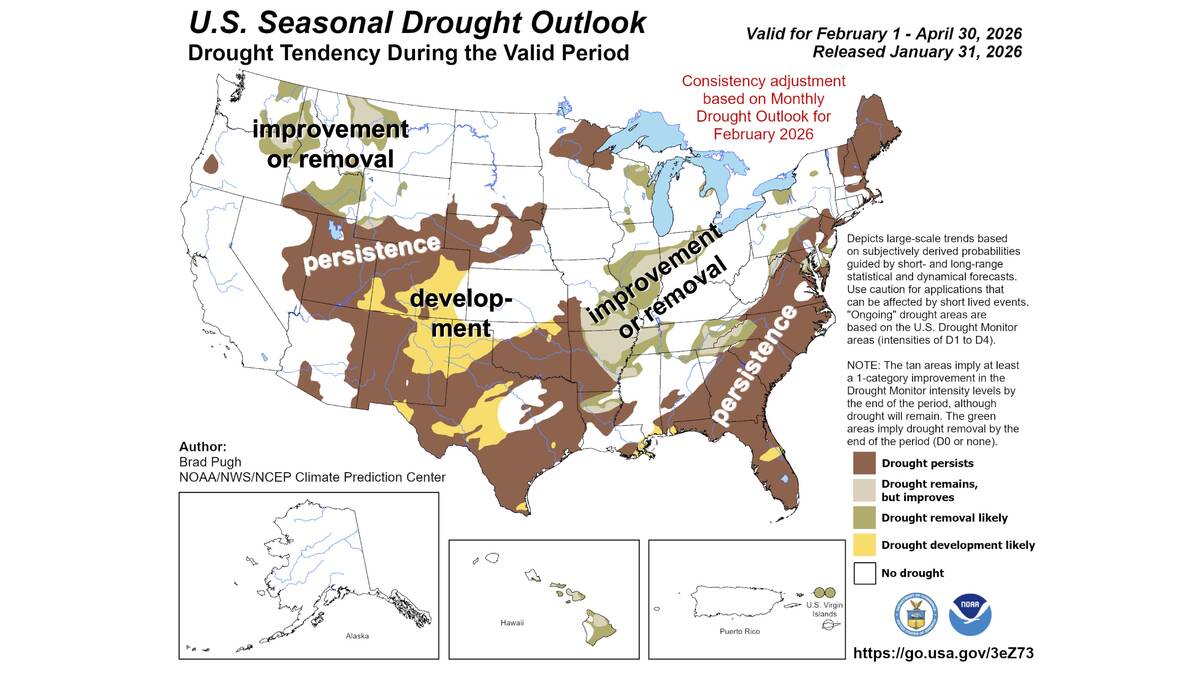
Neutral conditions drive 2026 weather as La Niña subsides
U.S. government meteorologist expects there will be neutral ENSO conditions for the 2026 farm growing season.
But there’s a twist. While companies might be encouraged to seek redress based on Dreyfus’s success, they might also find Dreyfus getting cars instead of them. That’s what Viterra alleges.
In its CTA submission, Viterra asks “that CN not draw from car allocations that would otherwise be available to Viterra in order to meet its (CN’s) obligations under Interlocutory Decision No. 2014-05-02. That’s the CTA’s ruling ordering CN to deliver more cars to Dreyfus.
CN warned the CTA if it was ordered to deliver more cars to Dreyfus, other grain companies could suffer.
- More from the Manitoba Co-operator: CTA ruling favours grain company in rail service dispute
Farm and elevator groups are outraged that CN is allegedly robbing Peter to pay Paul.
“It ought to be a provision of the (CTA) decision that there be added capacity to provide interim relief to a shipper who files a level-of-service complaint,” Wade Sobkowich, the Western Grain Elevators Association’s executive director said in an interview. “It shouldn’t come from taking capacity away from another shipper. It defeats the purpose of trying to get more capacity and better service for the entire grain industry. It just shuffles it around.”
CN and CP Rail should be expanding capacity, said Blair Rutter, policy manager of the Western Canadian Wheat Growers Association.
“Shippers are saying they aren’t getting adequate service and I would expect the CTA to rule in favour in virtually all these instances because there’s ample evidence to show they have not provided adequate service,” Rutter said.
Keystone Agricultural Producers (KAP) president Doug Chorney said he hopes CN isn’t deliberately punishing companies, “but sometimes you’ve got to wonder.”
While Dreyfus was awarded interim relief, CN is appealing and CTA might reverse its ruling when it renders a final decision.
The Canadian Canola Growers Association has also filed a complaint against CN and CP Rail alleging poor service for grain.
The railways say service suffered because of a big crop and cold winter; farmers and shippers contend the railways don’t invest enough in added capacity knowing since there’s no competition they will eventually haul the grain to market.
Meanwhile, the CTA has consulted with the grain industry on new regulations to take effect Aug. 1 under the Fair Rail For Farmers Act.
“The key message for the agency is, we need penalties that are arbitratable into a service-level agreement (with railways),” Sobkowich said. “We think penalties influence behaviour. It sure works on us when we’re penalized by the railways.”
Under the new act, CTA is obliged to consult with the industry about how much grain the government should order the railways to move during the new crop year. The number will evolve as more is known about production, Sobkowich said, but enough grain must move to ensure carry-over stocks are reduced.
Grain companies also want to determine where the grain goes, instead of the railways, he added.
KAP stressed soybeans, which are now a big crop in Manitoba, need to be included in the volume of grain government orders the railways to move, Chorney said.