The struggle for healthy soils is a global one, and Western Canadian farmers can gain valuable insights from places such as West Africa and the Sahel, where soil degradation and food insecurity are graver challenges.
That was the central message at this year’s Ted Poyser Lecture in Soil Health at the University of Manitoba, where McGill University’s Joann Whalen shared insights on how farming realities in West Africa and the Sahel foreshadow the future of agriculture worldwide.
Read Also
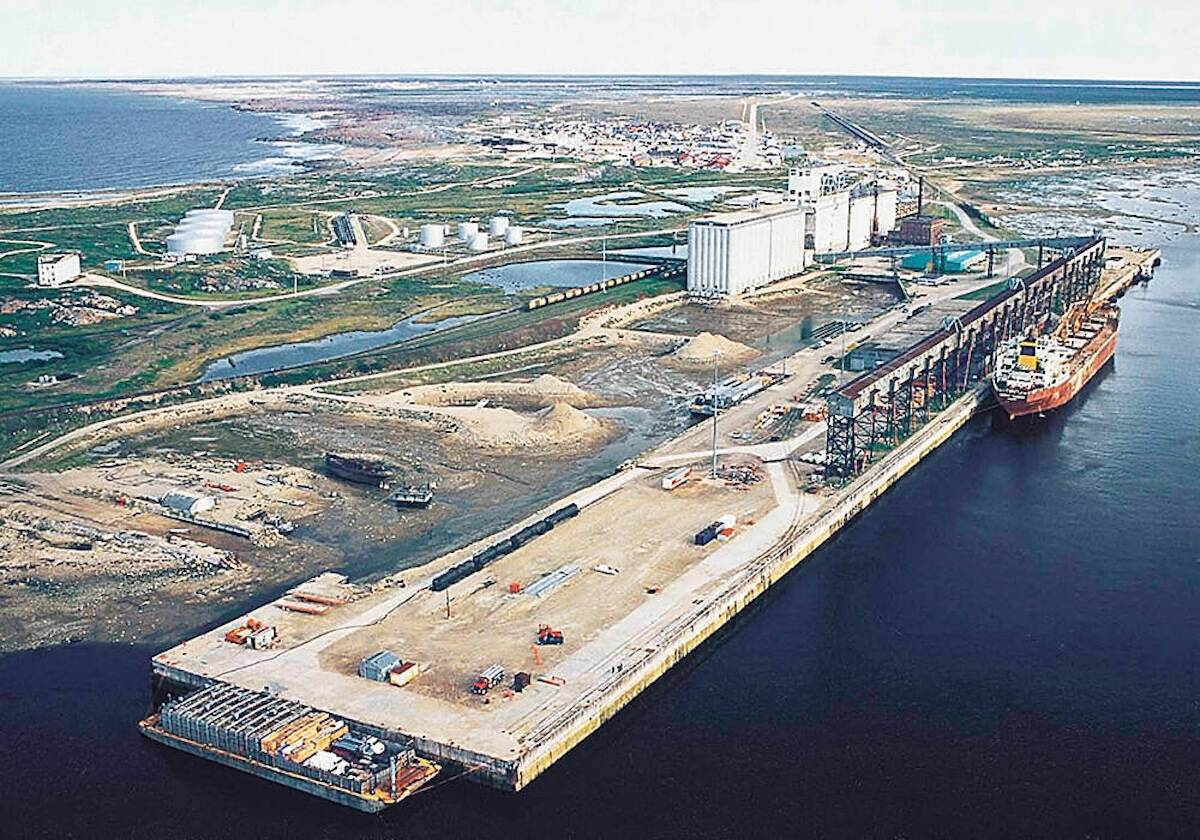
Manitoba, Ottawa sign deal to fast-track projects like Port of Churchill expansion
Manitoba and Ottawa have signed a regulatory streamlining agreement that names the Port of Churchill expansion as a priority infrastructure project.
WHY IT MATTERS: Soil health fundamentals underpin resilient crop production everywhere. The pressures facing African farmers today offer a preview of challenges Canadian producers may face tomorrow.
The annual event, hosted by the university’s soil science department and backed by the Ted Poyser Plant Ideas Fund through the Manitoba Habitat Conservancy, spotlights critical issues and opportunities in soil health.
Whalen’s presentation shared underscored the foundational role soils play in securing food for rapidly growing populations.
“We are dealing, of course, with a grand challenge, which is, how are we going to actually sustain the food production and the food security for the world’s growing population,” Whalen said.
The stakes are high. Nearly a billion people live across West Africa and the Sahel, a region with the world’s youngest population — a median age of about 18. Agriculture, livestock and natural resources drive the economy, with at least half of livelihoods dependent on pastoralism, agroforestry or crop farming.
Mounting challenges
Despite this importance, the land is under pressure. Soil degradation, erosion and declining fertility are widespread, threatening the region’s ability to keep producing food.
The farmers themselves face conditions few Canadian producers would recognize.
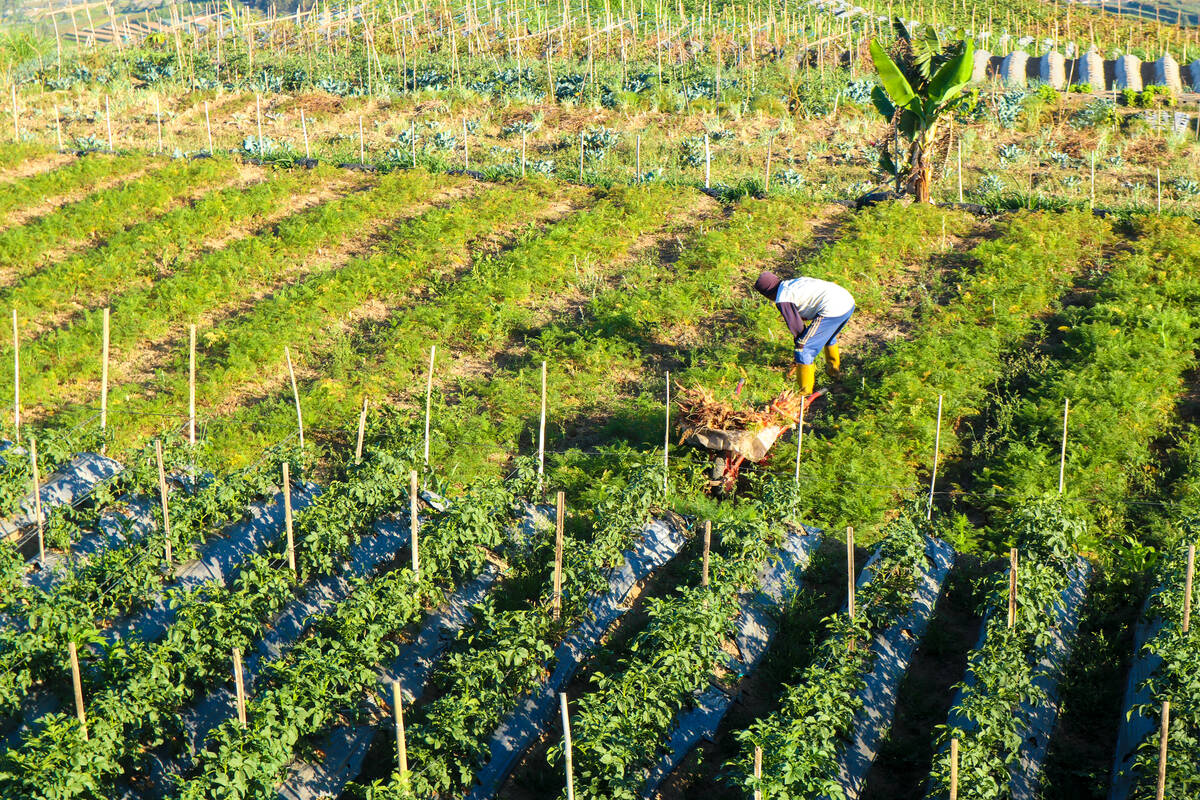
“They are doing it under conditions that none of us in Canada would find acceptable,” Whalen said, describing the roughly 33 million smallholder farmers who produce most of the region’s food.
Most operate one- to three-hectare farms with little mechanization and limited access to improved seed or agronomic advice.
Despite those constraints, these farms produce roughly 70 per cent of the food consumed across Africa.
Climate change is adding another layer of risk. Rainfall patterns have become more erratic over recent decades, droughts have intensified and temperatures are projected to keep rising.
Those pressures prompted the African Union to commit in the 2024 Nairobi Declaration to boosting agricultural productivity by improving soil health across the continent.
Missing baseline data
For Whalen and other scientists working in the region, that means building tools that farmers and extension workers can actually use — and starting with something surprisingly basic: data.
“We don’t even have the baseline data for most of West Africa,” Whalen said.
Without yield data, soil maps or consistent monitoring, it’s difficult to know how much crops could realistically produce, or how management changes affect productivity. To address that gap, researchers are developing field checklists and surveys that local agronomists can use to gather information directly from farms.
“Soil organic matter gives soil all these other properties that can help make it resilient to extreme weather and can help support good crop production in that extreme weather.”
Joanne Thiessen Martens
soil scientist
That data feeds into a larger effort co-ordinated through the Regional Hub for Fertilizer and Soil Health for West Africa and the Sahel, which works with governments, researchers and industry to develop soil maps, fertilizer recommendations and digital advisory tools.
The goal is simple in theory: improve soil health so farms can produce more food while remaining resilient to climate stress.
“Agronomic gain depends on fertilizer, and it also depends on good, healthy soil,” Whalen said.
In practice, improving soil health can mean addressing basic constraints — soil pH or extremely low organic matter levels — before fertilizer programs can be effective at all. In some places, limitations are surprisingly fundamental. Whalen recalled work in Liberia where acidity was limiting crop growth, but agricultural lime wasn’t available in the country.
“There was no agricultural lime in the country… so they were using calcium hydroxide, which was used as like whitewash in paint, as a bonding amendment,” she said.
Extension gap
Some advisory tools rely on artificial intelligence to bridge another major gap: the shortage of extension staff. In parts of Africa, a single extension worker may serve thousands of farmers.
“The reality is… you might have one extension worker per 2,000 farmers. In some places, one extension worker per 10,000 farmers,” Whalen said.
Even simple soil information can make a big difference in those settings, she said, helping farmers diagnose problems and use fertilizers more efficiently.
Lessons for the Prairies
The science behind soil health isn’t unique to Africa.
U of M soil scientist Joanne Thiessen Martens said the same principles apply to farming systems everywhere, including the Prairies. One of the biggest factors is soil organic matter, which influences everything from nutrient cycling to water management.
“Soil organic matter gives soil all these other properties that can help make it resilient to extreme weather and can help support good crop production in that extreme weather,” Thiessen Martens said.
Prairie soils, which tend to have naturally higher organic matter levels, are generally more resilient than many tropical soils. But Thiessen Martens said good yields alone don’t always mean soil health is secure.
“Sometimes we can see, yes, crop yields are good, but they’re very easily disrupted by extreme weather, where you suddenly lose that capacity to continue functioning,” she said.
That link between productivity and resilience ties the global conversation back to Manitoba producers.
Whether managing fertilizer efficiency, building organic matter or understanding soil chemistry, the underlying lesson is the same: healthy soils are the foundation of agricultural systems.
“Soil health [is] much more than just measurements of the soil, soil health [is] a living soil that supports life and helps us to achieve our socio-economic goals and functions in an ecological context,” Whalen said.