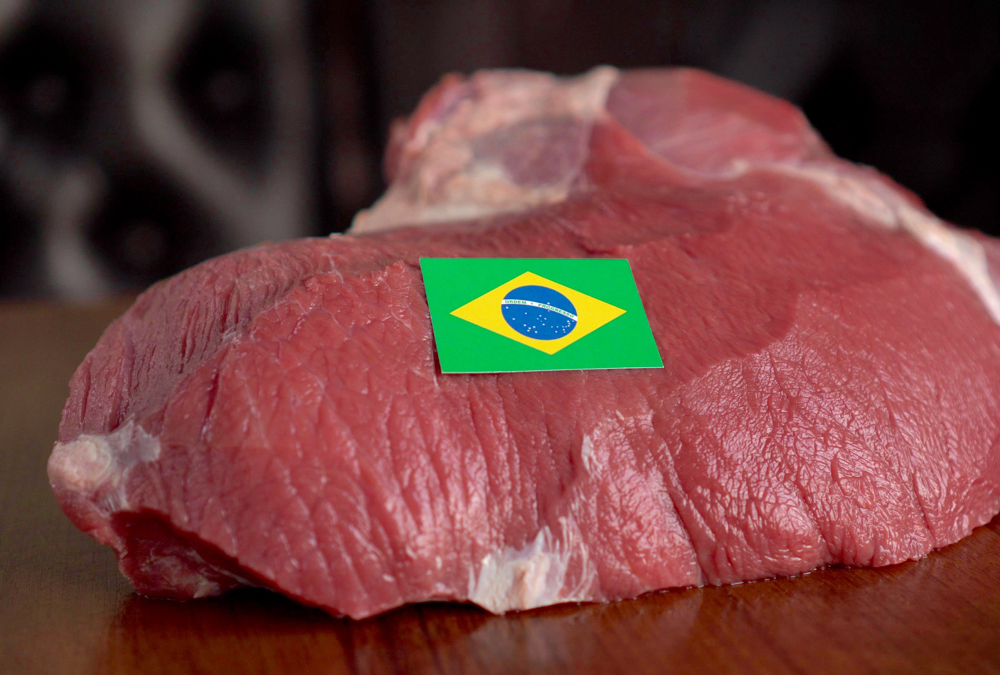
Reuters – Brazilian ranchers are likely to send fewer cattle to feedlots in the second half of 2022 as feed becomes more expensive, intensifying downward pressure on beef prices, the chief executive officer of meat packer Minerva says.
Rising prices for inputs used in animal feed, such as corn and soybean meal, are pushing farmers to slaughter cattle instead of sending them to confinement, Fernando Galletti de Queiroz told Reuters in the southeastern city of Campinas.
“We expect to have fewer cattle in confinement in the second half of the year, and this adds pressure for producers to sell animals in this moment,” leading to a fall in prices, Queiroz said.
Read Also
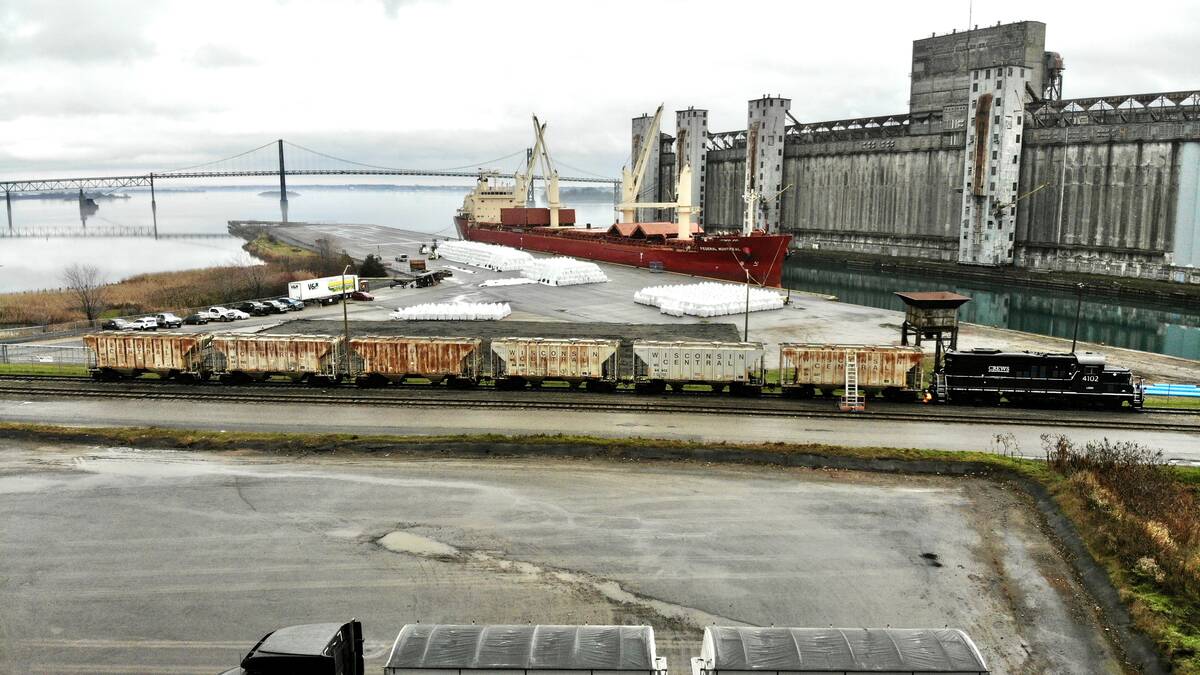
New phosphate fertilizer trade corridor planned
V6 Agronomy is building a fertilizer terminal at the Port of Johnstown it hopes will be moving 480,000 tonnes of phosphate a year by the end of this decade.
The prices of inputs for feed have soared as a result of the war between Russia and Ukraine. Also pushing prices up are a shortfall in Brazil’s soybean crop, due to drought last summer, as well as expectations for Brazilian corn exports to rise to help cover a global gap left by Ukrainian grains.
Queiroz added that weaker domestic demand for beef and seasonal factors would also play a role in pushing down prices.
“You have a domestic market suffering a little bit at this moment, so part of the drop in the beef is due to the domestic market that is buying less.”
Sales in the wholesale beef market were so slow in May that carcass prices fell 6.3 per cent, the biggest monthly drop since January 2020, according to the Center for Advanced Studies in Applied Economics (Cepea). Prices for fat cattle fell four per cent in May.