R-CALF USA says it’s not happy with the news JBS USA will operate and perhaps purchase XL Foods, now reopened after several weeks of being shut down due to E. coli contamination.
It wasn’t just XL’s Brooks plant on the table — the deal comes with a plant in Calgary and two cow-killing plants in the U.S., one in Idaho and one in Nebraska.
While much of the Canadian industry was celebrating the agreement after fearing Lakeside might be closed forever, R-CALF USA is less enthusiastic.
Read Also
Manitoba dairy farm first in Canada to pilot epigenetics herd tool
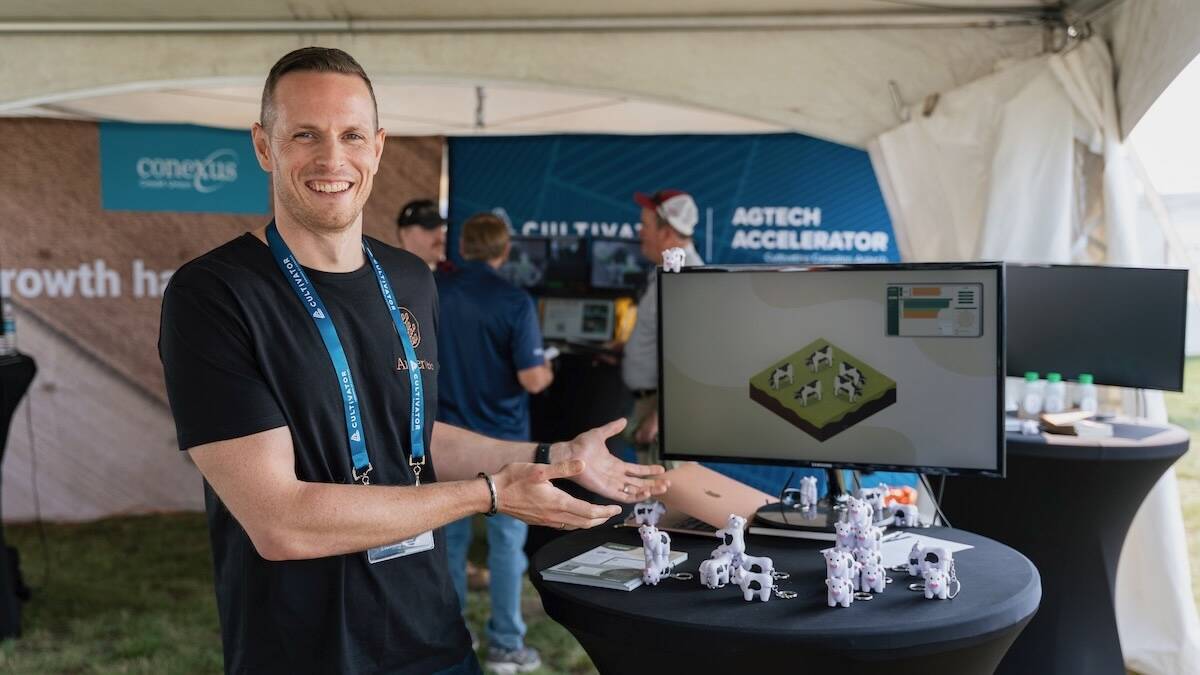
Antler Bio’s EpiHerd platform is being tested on a Manitoba crossbred dairy herd.
The controversial American cattle organization has requested the U.S. government investigate what effect the potential change of ownership would have on the American live cattle market, and on the consumers’ beef market.
“The threat to our cattle industry’s fast-receding competitive marketplace is real,” said R-CALF CEO Bill Bullard.
In a letter to the U.S. government, Bullard said JBS would become the second-largest Canadian packer, and likely largest or second-largest packer in the U.S. if the deal goes through. Brazilian-based JBS SA is the parent company of JBS USA, and is currently the largest beef processor in the world.
“R-CALF USA has long held that both U.S. cattle producers and U.S. consumers already are being exploited by monopsony and monopolistic practices facilitated by the monopolistic structure of the U.S. cattle and beef markets in which JBS USA and only three other firms control approximately 82 per cent,” said Bullard.