The Manitoba Forage and Grassland Association (MFGA) is happy to see soil health being taken seriously in Ottawa.
In 2024, the MFGA welcomed the Senate report that called for a long-term soil health strategy for the nation, along with soil being named a national asset and designating a soil health advocate. Senator Rob Black, who has outspokenly pushed soil health on Parliament Hill and elsewhere, singled out the development of the strategy among 25 recommendations outlined in the report.
A little under two years later, there’s a promise from Ottawa to make that proposed strategy a reality.
Read Also

Tariffs, biosecurity lead discussion at Manitoba Pork AGM
Trade and biosecurity concerns led discussion at Manitoba Pork’s AGM, with CUSMA, tariffs, African swine fever preparedness and wild pig control all in focus.
WHY IT MATTERS: The MFGA has dug a niche in the province, advocating for grasslands as a driver of soil health and championing regenerative agriculture, for which soil health is a major tenet.
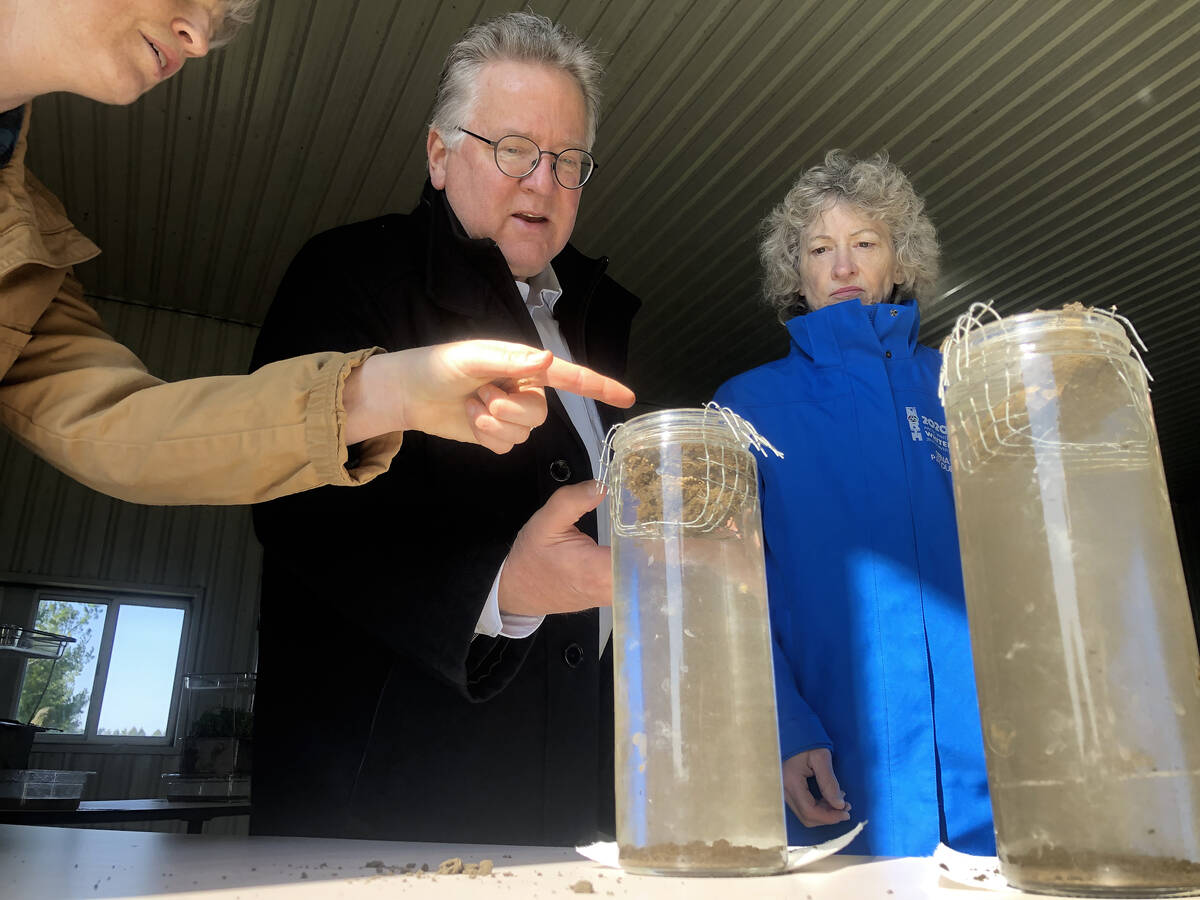
On March 26, the federal government announced plans toward development of a national agricultural soil health strategy.
“It’s a critical time that we’re in, relevant to soil erosion, climate change, and everything that we’re doing with technology and innovation is to ensure that soil remains where it is,” federal Agriculture Minister Heath MacDonald said.
“(The strategy) is going to put an element of integrity on any research that’s being done in the future and hopefully that research can coincide with what we’re seeing here today.”
Manitoba support
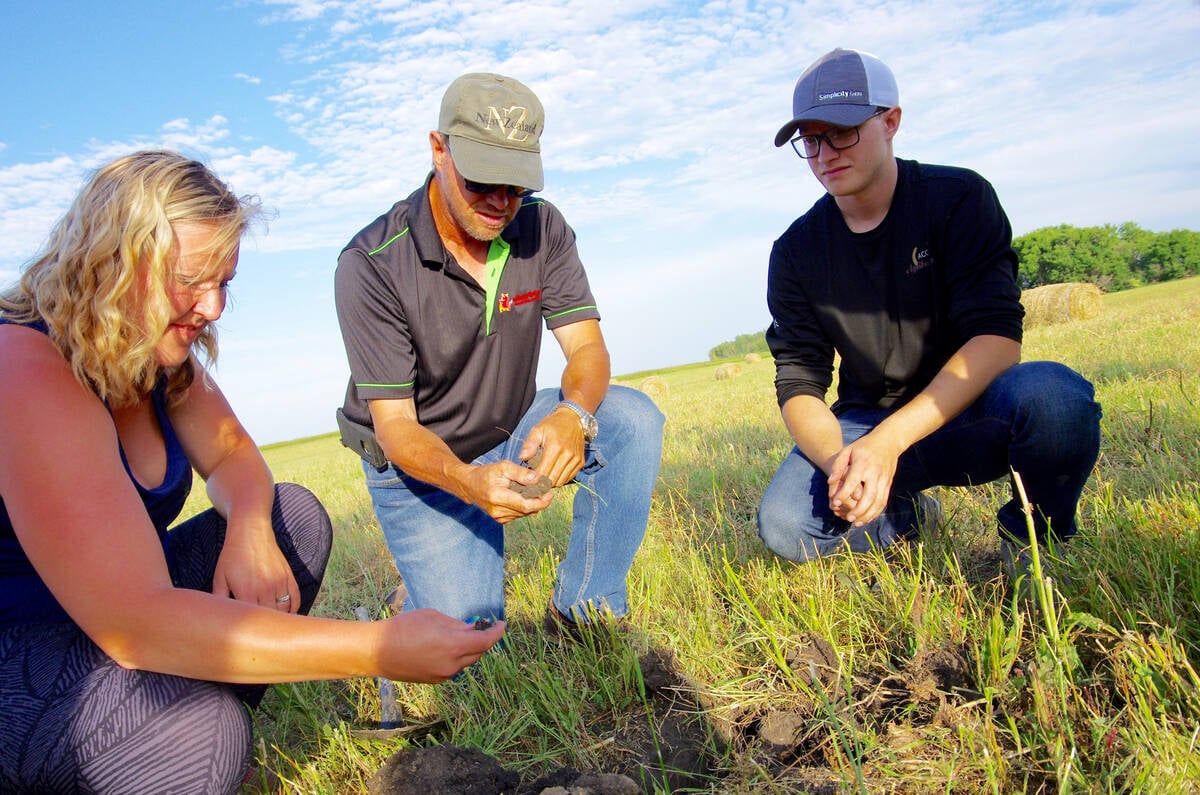
It’s a “wonderful announcement,” MFGA executive director Duncan Morrison said.
“MFGA applauds the engagement of the strategy,” he said. “Of course, as with everything, the proof will be in the pudding as to how this is all mobilized, but on Day 1, it’s a great day.”
The organization, Morrison said, has thrown its weight behind the development of a strategy, both among its communications and its support of the Soil Conservation Council of Canada (SCCC) — another group that has pushed hard for a strategy, and that the government says will be tapped for input as the strategy is developed. He also pointed to letters of support and congratulations they have sent to Black and Senator Paula Simons, who also helped drive the 2024 Senate soil report.
Morrison further threw kudos to Manitoba’s Keystone Agricultural Producers (KAP).
KAP has helped get Manitoba farmers a seat at the table on the issue, he noted, adding the MFGA has since met with KAP and hopes to see outreach to the MFGA as “a farmer-focused group that has been pushing the soil health narrative hard for the last decade.”
“These things take time towards sorting out, and we sure hope that the regen ag practices and mindsets on our MFGA farmers’ farms are being valued and included here as part of the soil health solution,” Morrison said.
“These things take time towards sorting out, and we sure hope that the regen ag practices and mindsets on our MFGA farmers’ farms are being valued and included here as part of the soil health solution.”
Duncan Morrison
MFGA executive director
Soil health bill
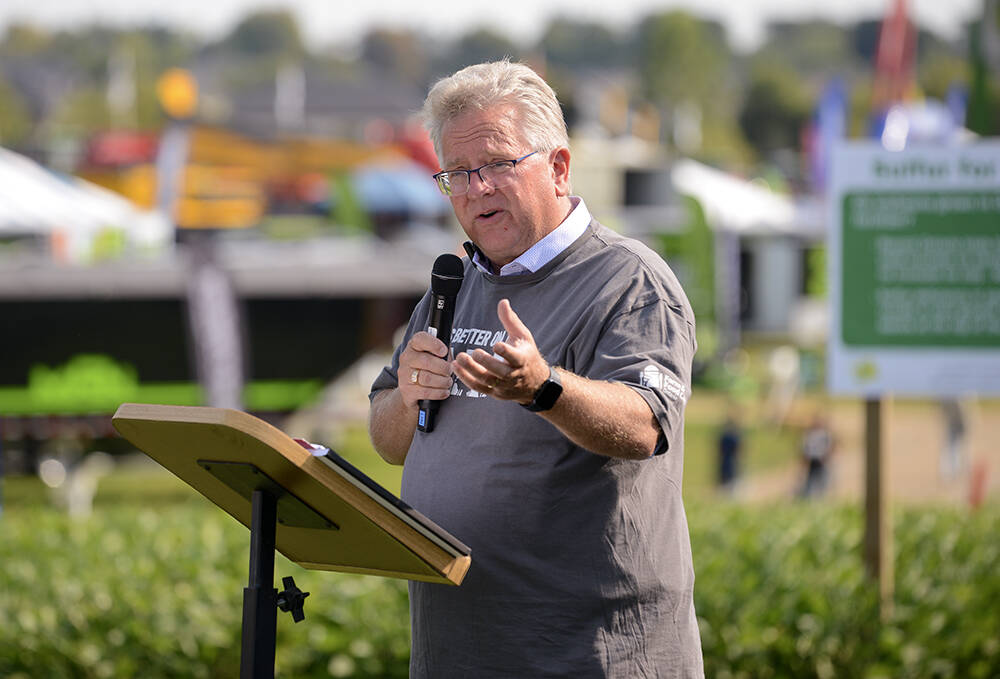
The strategy announcement dovetails with gains for Black’s Bill S-230, the National Strategy for Soil Health Act, which closely follows the report’s 25 recommendations. That bill also passed in the Senate March 26, and MacDonald said Bill S-230 will inform the strategy.
During Bill S-230’s third reading, Black told the Senate chamber it was bolstering to know “the government not only supports the bill but is ready to move forward before it is legislated.”
Reading the AAFC’s intention to develop a national soil health strategy during the third reading showed the value of the Senate, Black said. “It also put (the government) on record, on notice that we’re watching,” Black said.
According to Black, work on the strategy to safeguard Canadian soil could begin as early as April and be completed and officially launched by December 2027.
Collaboration with farmers, industry pledged
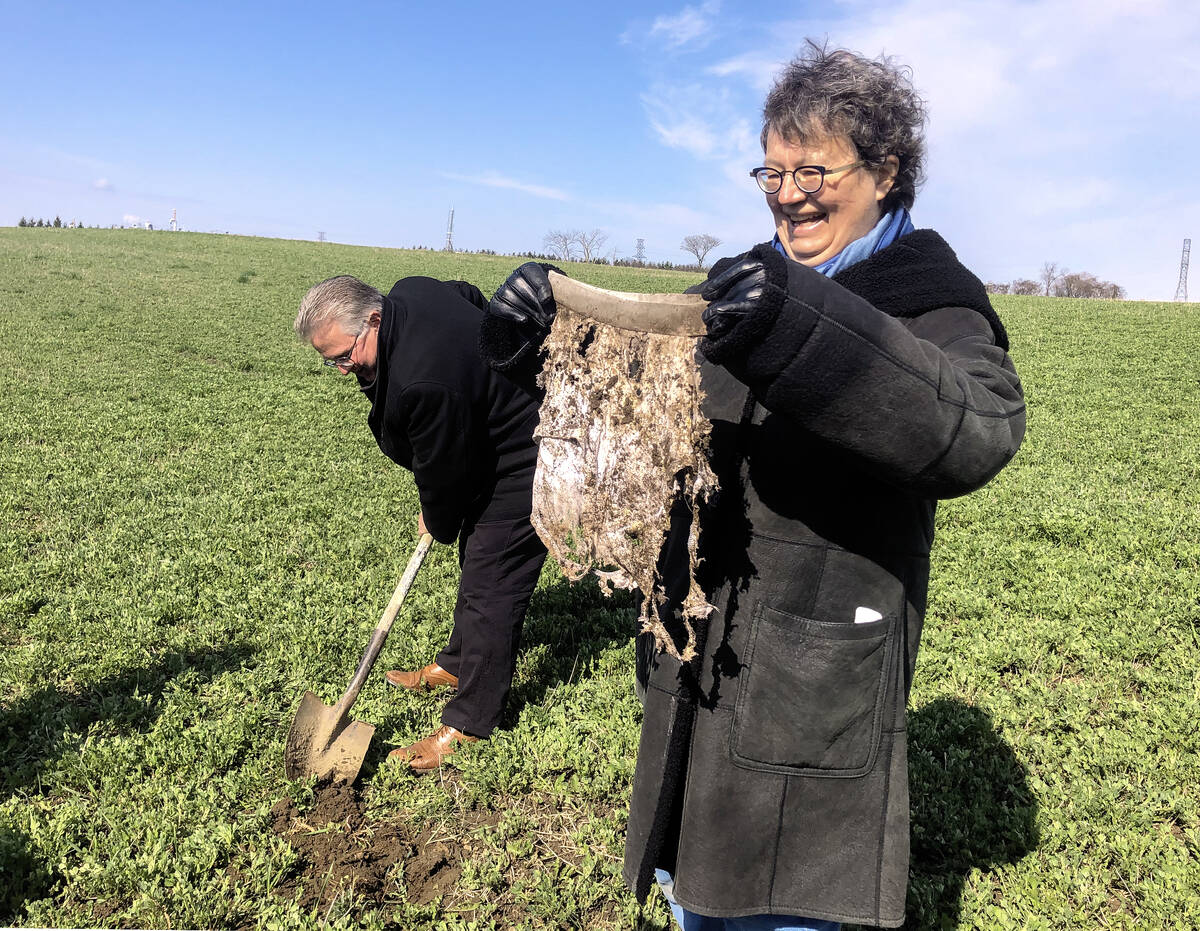
Ideally, Black said, the national strategy will avoid a one-size-fits-all approach. It will include educational support, financial support, peer-to-peer networks and a position for a national soil health advocate. He noted Australia’s soil advocates have been very effective in promoting the adoption of soil health practices, but acknowledged the position comes with a cost.
Collaboration will play a key role in developing the strategy, with input from the SCCC, farmers, the agriculture industry, Indigenous communities, provinces and territories and related ministries.
For the MFGA’s part, Morrison said they are “determined to contribute and advance soil health awareness and encourage on-farm uptake of BMPs (best management practices).
“We have been pushing for exactly this type of structure, soil strategy and leadership for years,” he said.
Healthy soils important for all Canadians: Kruszel
The in-depth research by Black and the Senate committee on agriculture and forestry into Canada’s soil has highlighted the significance of healthy soil and the threats it faces, said Alan Kruszel, SCCC’s eastern producer director.
“Healthy soils are so important for producers as well as for all Canadians. Healthy soils provide the majority of the food we eat,” he said. “Soils help to purify our water, to clean our air and provide habitats for all kinds of life.”
Kruszel said the agriculture sector provides one in nine jobs nationally. Investment in soil health is ongoing through research, farm organizations, input suppliers and other groups to support the adoption of sustainable on-farm practices.
“Our intention through the national soil health strategy is to optimize those investments through collaborations,” he said. “And collectively working to identify gaps in research, measurement, education and extension, and of course, resources while establishing priority actions that we can all work on.”
— With files from Diana Martin