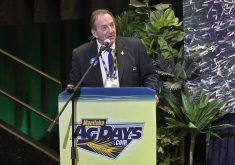

Manitoba is investing $143.7 million in agricultural programs under its 2026 budget, expanding loan limits, launching new insurance incentives and extending support for producers across the province, Finance Minister Adrien Sala announced on March 24.
Read Also

4R compliance comes up short
Most Canadian farmers think they follow 4R practices, but a Fertilizer Canada survey found far fewer acres actually meet the standard.
WHY IT MATTERS: With new funding, lower costs, and extended support programs, Manitoba’s 2026 budget aims to safeguard farm incomes and strengthen rural communities.
Loan limits rise for young farmers and stocker operations
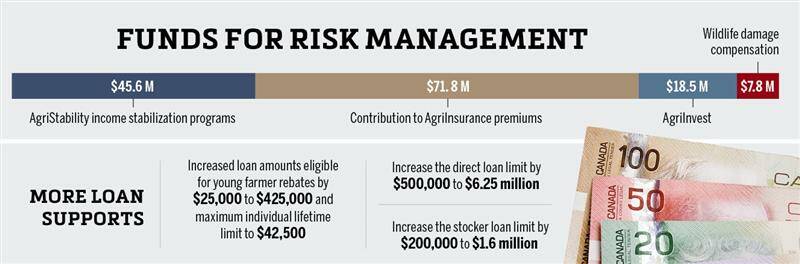
The government is allocating a total of $143.7 million to AgriInsurance, AgriStability, AgriInvest, and Wildlife Damage Compensation. That includes $71.8 million to cover crop losses from natural hazards, $45.6 million to help stabilize farm income, $18.5 million for smaller fluctuations in revenue, and $7.8 million for losses caused by wildlife.
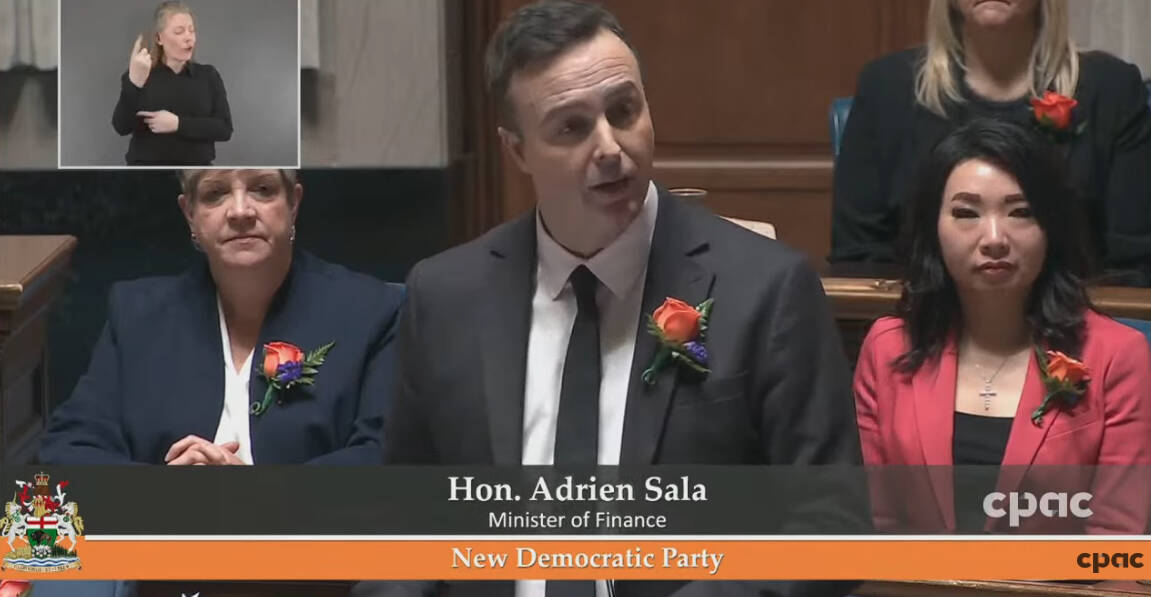
“We’re doing the important work of making sure [producers] have adequate access to those programs [that] we know will help our producers across the province,” Sala said.
A new Forage Advantage pilot program offers a 15 per cent discount on forage establishment insurance for eligible perennial acres. Insurance coverage has also been extended to include meadow fescue seed, and claims for wildlife damage now cover both crops and livestock.
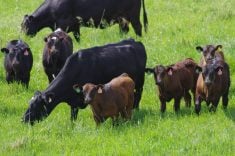
Loan limits have been raised as well: Young Farmer Rebate loans can now reach $425,000, with a lifetime maximum of $42,500; direct loans increase to $6.25 million; and stocker loans rise to $1.6 million.
Crown land lease rates frozen at $3.66 per AUM
Crown land lease rates remain at $3.66 per animal unit per month.
The former Conservative government made changes to the Crown land program that caused “significant risk” for producers, especially in the Interlake and Western Manitoba, Sala said.
“This is an important measure that’s going to help to keep their costs low and help to ensure that family farms can continue to succeed and thrive here in Manitoba.”
Manitoba Agriculture Minister Ron Kostyshyn is currently working with the department and producers to see what other changes are needed to the Crown lands program, said Caedmon Malowany, a spokesperson for Kostyshyn.
“Ultimately, we will be presenting a new system that is fairer and more sustainable, but that work is ongoing,” he wrote in an email to the Co-operator directly after Sala’s budget announcement.
Assiniboine College ag programs to more than double capacity
The Prairie Innovation Centre at Assiniboine College will expand its programs from 300 to 800 students annually, while ongoing funding continues for initiatives supporting Indigenous participation in agriculture and the development of local food systems.

Trade risks and input costs add pressure
The budget also highlights trade risks, noting ongoing uncertainty around U.S. tariffs and the upcoming Canada-U.S.-Mexico (CUSMA) trade agreement review.
“We know that trade disruptions are creating increased risk and uncertainty, and I think it’s clear that our government is stepping up with more support to help producers who feed Manitoba and the world,” Sala said.
When it comes to helping producers offset input costs tied to rising tensions in the Middle East, Sala pointed to the 50 per cent school tax rebate for farm properties.