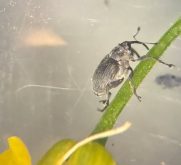
A professor emeritus at the University of Guelph says insects might be a more sustainable source of nutrition, but just how they’ll be used is up in the air.
David Waltner-Toews, an epidemiologist who taught in the U of G’s Ontario Veterinary College, studied the topic for his new book, Eat the Beetles! which will be arriving in bookstores next month.
As an epidemiologist, Waltner-Toews primarily focused on insects as pests and carriers of disease. His perspective changed when Veterinarians Without Borders-Canada (an organization he helped establish) started a project in Laos to help people raise crickets for food.
Read Also
Neutral conditions drive 2026 weather as La Niña subsides
U.S. government meteorologist expects there will be neutral ENSO conditions for the 2026 farm growing season.
“I realized that insects are animals, and veterinarians work to keep animals healthy,” he said.
He also noticed that other researchers and development workers were turning their attention to insects — already a food source for about half the world’s population — as a more sustainable source of nutrition.
So, will eating insects save the world? Waltner-Toews says the answer is complicated. Don’t expect to see insect burgers on the McDonald’s menu board any time soon, he says. They’re more likely to be served as a novelty snack, as a “protein powder” that might be added to other foods, or as feed for animals. However they’re used, he says, insect consumption may help protect the environment.
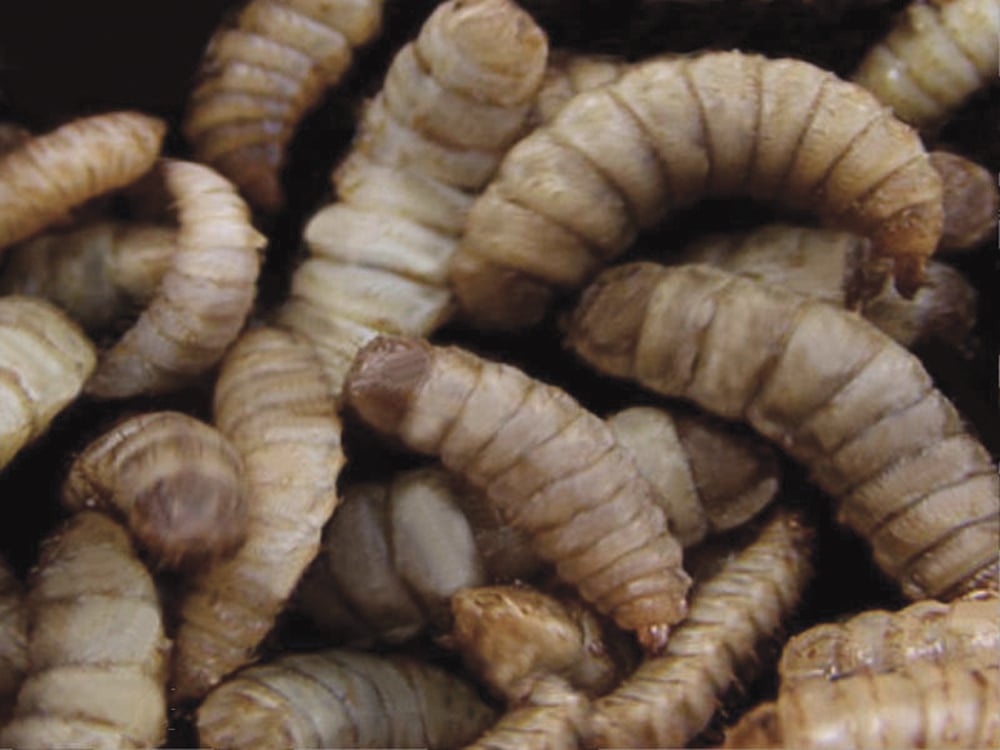
He points to Enterra, a British Columbia-based company that removes food waste from grocery stores to keep it out of landfills. That leftover food is fed to soldier flies, and the fly larvae are turned into animal feed for chickens and farmed fish, which is more sustainable than the current sources.