For producers like Shelley Dyck and Dakota Sorensen, the results of the 2023 Crown land lease auctions were disappointing but not unexpected.
Those results illustrate concerns that they and other members of the Manitoba Crown Land Leaseholders Association have had for years.
With few exceptions, almost all available parcels in the area around Ste. Rose du Lac and Eddystone went to large ranches for prices that many small long-time ranchers and new producers couldn’t manage.
Read Also
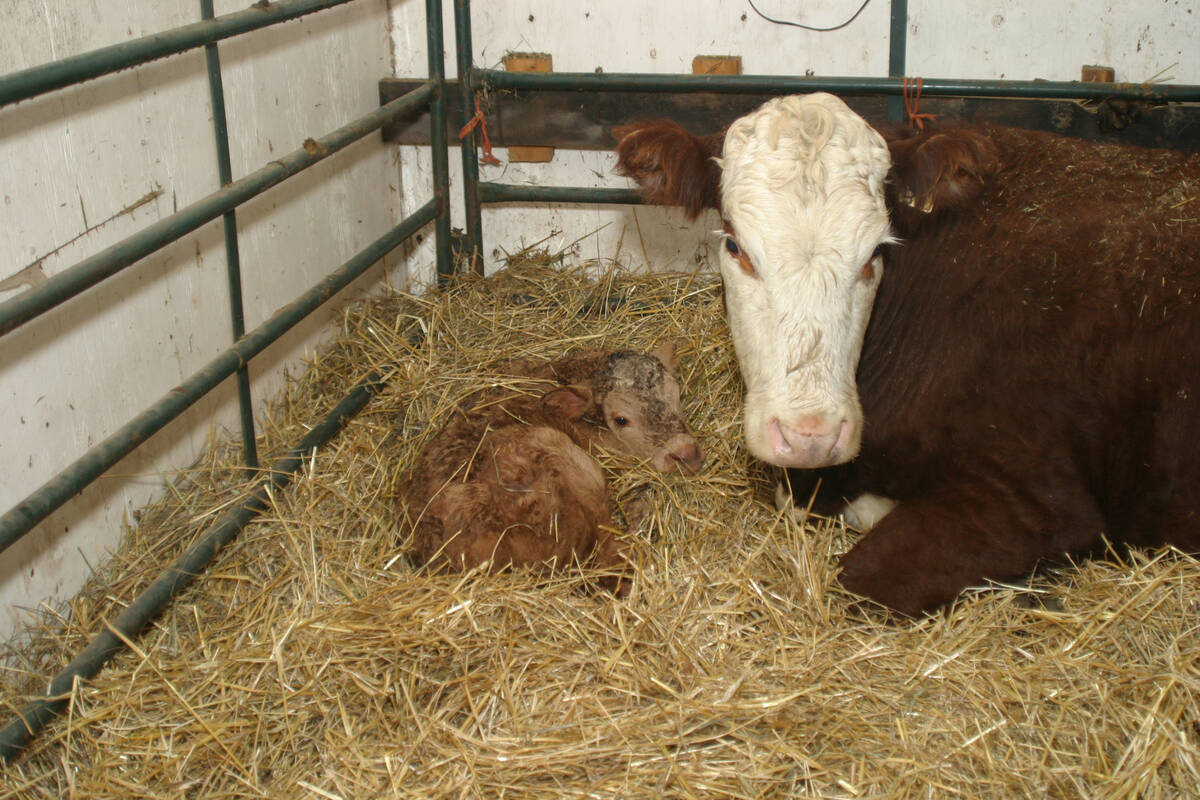
LAST PUSH TO CALVING: Feeding cows for better fed calves
Late‑gestation cattle nutrition is one of the most critical colostrum drivers for a healthy calf, Dr. Gabriel Ribeiro writes.
Sorenson was interested in one parcel. He was willing to put a “pretty serious” $25,000 bid down. Against bidders with deeper pockets, he found himself out of luck.
“I thought it was crazy,” he said. “Some pieces brought more than they were worth.”

Why it matters: More than four years ago, leaseholders said the new auction allocation system would lock smaller, newer farms out of Crown lands. Now they say that’s exactly what’s happening.
In late 2019, the province rolled out new regulations for forage Crown land. As well as lowering lease lengths to 15 years from 50, it codified an auction-based system for allocating leases. They were previously allocated under a points-based system, which weighted applications by herd size, age, non-farm income and first-time applicants.
The beef sector called for an end to the points system, saying it was difficult to understand.
In conjunction with another change to the regulations, leaseholders worried that the new system would put small and new farms at a disadvantage.
The same 2019 regulations removed a cap on how much Crown land a single leaseholder could claim. Producers were previously limited to 4,800 animal unit months or AUMS. An AUM is the amount of forage needed to feed one 1,000-pound cow for a month.
The cap removal and auction system were introduced “to reflect the increase in farm size and become more aligned with our other markets based on free enterprise and fluctuations found in agriculture,” said provincial Agriculture Minister Derek Johnson.
The Manitoba Beef Producers originally supported elimination of the cap, but later expressed support for its re-instatement with higher allowable AUMs.
The province said a shorter term would bring land into rotation more often and give new producers more chances to throw their hats in the ring.
But leaseholders argued that small farms would face the losing proposition of bidding at auction against larger farms with more buying power. Without a cap, what would stop those larger farms from snapping up everything in sight?
The province said market forces would keep things in check, since producers would only pay what made economic sense for a given parcel.
“The most recent auction seems to demonstrate that Crown land is much more productive than historically presented,” the province said in an email to the Co-operator.
“Profitability in agriculture requires good business sense. Successful leaseholders have done the math and see that their ultimate bids pencil out for a 15-year lease.”
Coming due
The leaseholders association says auctions have shown its earlier concerns have been realized.
“As with every auction since the changes were implemented, the richest bidders had their way and young ranchers were left with no opportunity to develop viable operations… The two largest leaseholders in the province again expanded their holdings and effectively shut out any producers in their areas from acquiring any leases,” the association said.
It also claimed the auction lacked transparency. Online bidding did not allow participants to know who was in the hunt, and results were not announced for a week.
“When all these changes came, we said, you know, the auction system is a good system if you’re going to use it to auction off leases that have been voluntarily given up or if you have new land that you want to start opening up … but we said a live auction,” said Dyck.
Producers said an in-person auction would dissuade non-locals from taking leases and would encourage accountability.
An auction system was in place before but Dyck says this year was the first in which the leaseholders in her area saw significant fallout.
“The last auction didn’t have any really good leases in this area. There was just one single quarter of swamp, no fences on it, that sort of thing,” she said. “It wasn’t that much of a big deal, plus it wasn’t anybody’s place.”
This time, several parcels on the block were surrendered leases. The association has previously said that higher rents and a lack of unit transfer (which under the old system allowed a producer to link lease rights with the sale of private land) have made it hard to keep ranches viable and have reduced farm values to the point of being unsellable.
But the province said unit transfers artificially inflated land values.
At least one of this year’s surrendered leases belonged to an Indigenous rancher. The Manitoba Métis Federation says more than 50 of its members are leaseholders.
“They’ve been negatively impacted in some way or another by the actions and inactions taken by the province,” said federation agriculture minister David Beaudin. “Some of the Red River Métis Crown land leaseholders had no choice but to relinquish their leases, their business and therefore their livelihood and way of life.”
Last year, the province announced rent reductions over the next three years in light of stresses including the 2021 drought. However, they are “not mitigating the financial stress experienced by the current leaseholders,” Beaudin said.
“Right now, far too many farmers and ranchers have been forced to relinquish a portion of their Crown land lease or all of it under the guise of modernization, but the amendments make it hard for small to medium producers to pay their rent on lands due to the rates going up by 100 to 200 per cent.”
Strong calf prices could allow ranchers to grow the cattle herd after reductions made in recent drought years. Johnson said that would increase competition for land. At the same time, the market-based rental formula means that increases in cattle prices will also increase rent on Crown lands.
Boon or bust?
Johnson disputed the claim that young producers are being locked out of Crown land leases. He said the system is making land available more quickly, and that young producers make up a significant slice of those taking up leases.
Provincial reports estimate 36 per cent of parcels divvied out this year went to young producers.
Larger farms do have an advantage at auction, Johnson admitted, and economies of scale play into profitability.
“Farm land and farm ownership consolidation has been occurring in Manitoba and well across Canada, for that matter, and we don’t interfere as governments,” Johnson said.
There is also the impact of succession.
“What I’ve seen in my area over the years, you have a producer that’s successful and keeps buying up land and they get larger and larger and with that comes economies of scale … and then you fast forward and there are three children who now want to take over the farm. So that larger area now splits into three, for example,” Johnson said.
The province has also said land is broken up into smaller, more accessible parcels under the new system.
Tom Olson of Olson’s Conservation Bison Ranch said he was working with the previous landholders before this year’s auction. According to a draft list of auction winners provided to the Co-operator, the bison operation leased at least 20 parcels available around Pine River.
“We had long-standing arrangements that, when [the leaseholders] retired, we would purchase from them because there aren’t that many purchasers in the area. It’s a tough place to make a living,” Olson said, adding his operation had already paid those producers for land improvements.
Under the old system, those arrangements would have happened with a farm sale and unit transfer. The new system required the bison operation to bid at auction.
“It’s more expensive for us, but obviously we bought the deeded land and we do need that leased land because it makes a continuous unit,” Olson said.
Other parcels involved land no one was interested in, but butted up against bison ranch land. Those parcels fit well with the operation’s goal of recovering tall grass parkland ecosystem while also producing bison sustainably.
“We’re trying to restore basically an extinct ecosystem,” he said, adding that the operation requires significant land to have the desired impact.
The regulations are an inconvenience, according to Olson.
“On the other hand, I do have some sympathy for the government in the sense that governments are broke. Everybody’s broke.”
In late 2022, the province reopened the discourse on Crown lands. Producers were urged to fill out surveys on the issue.
“Long term … really we see the land being taken up and utilized,” Johnson said of the province’s Crown land vision.
“I grew up in an area in the Interlake … and I saw Crown land when I was a kid lay dormant for years on end. Fences weren’t kept up enough to keep cattle in and it wasn’t being hayed.
“I don’t see that anymore. Utilizing the land and having it used [by] whoever wants to use it is advantageous to the industry as a whole.”