China said March 2 that food security remains “grim” after a series of health scandals, the most recent being last year’s tainted milk formula that killed at least six toddlers and made almost 300,000 sick.
A new food safety law, approved Feb. 28 in an accelerated process after the milk scandal came to light in September, attempts to fix a fragmented regulatory system.
“At present, China’s food security situation remains grim with high risks and contradictions,” the Ministry of Health said in documents handed to reporters.
Read Also
Tie vote derails canola tariff compensation resolution at MCGA
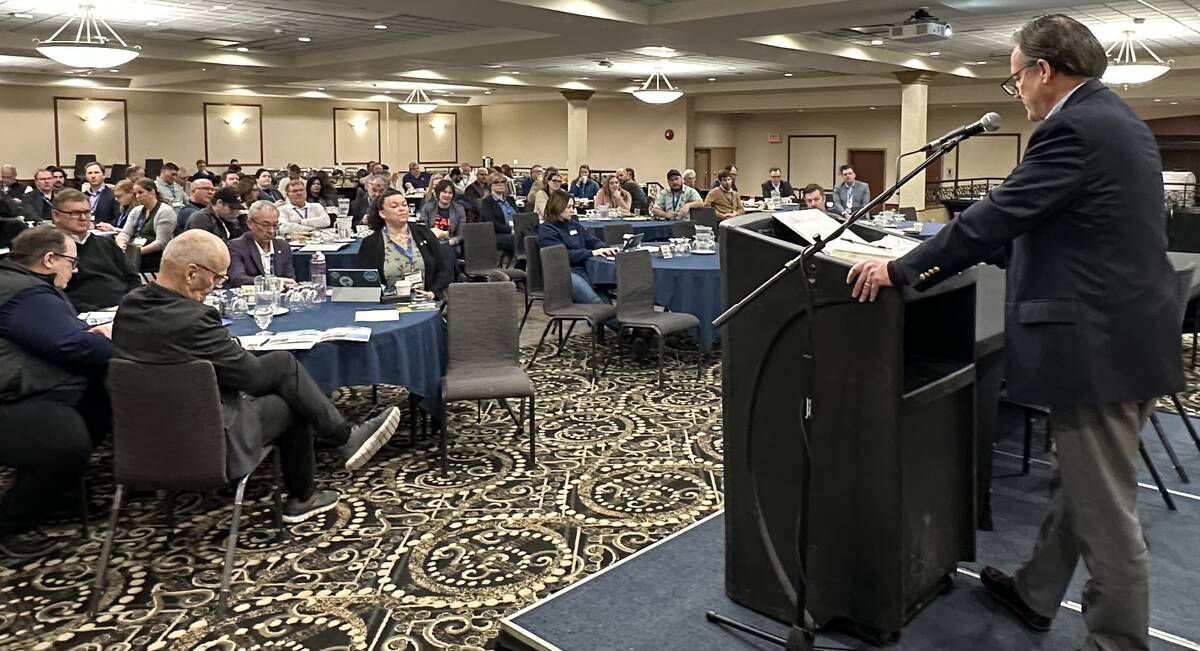
Manitoba Canola Growers Association members were split on whether to push Ottawa for compensation for losses due to Chinese tariffs.
The food safety law, which takes effect on June 1, sets quality and safety standards for products and lays out a regulatory system as well as a risk-monitoring system.
It is supposed to co-ordinate a number of ministries and reduce areas of overlap or of no supervision at all.
China sentenced two people to death in January for producing or selling milk adulterated with melamine, and jailed the chairwoman of now bankrupt dairy producer Sanlu Group for life.
China approved in principle a new food safety law in October 2007 following scandals involving unsafe toothpaste, drugs, toys, seafood and pet food, among other products.
Nonetheless, thousands of children developed kidney stones and other kidney-related illnesses after melamine, an industrial compound used in making plastics and fertilizer, was added to milk and other products to cheat protein tests, prompting Chinesemade products to be stripped from shelves worldwide.
A month later, the World Health Organization’s food safety chief, Jorgen Schlundt, called China’s food safety system “disjointed” and said poor communications between ministries and agencies may have prolonged the melamine poisonings.