With the election out of the way, work has resumed on efforts to ease the flow of goods across the Canada-U. S. border while improving security.
“We’re not aiming to eliminate the border, but streamline and harmonize it,” said Aaron McCrorie, director of Aviation Security Regulatory Review at Transport Canada. “Officials want to move as much activity as possible away from border crossings so the border doesn’t become a barrier.”
McCrorie is part of the Beyond the Border Working Group, comprised of senior federal government officials who are meeting with their American counterparts and collecting domestic reaction to the perimeter security plan.
Read Also
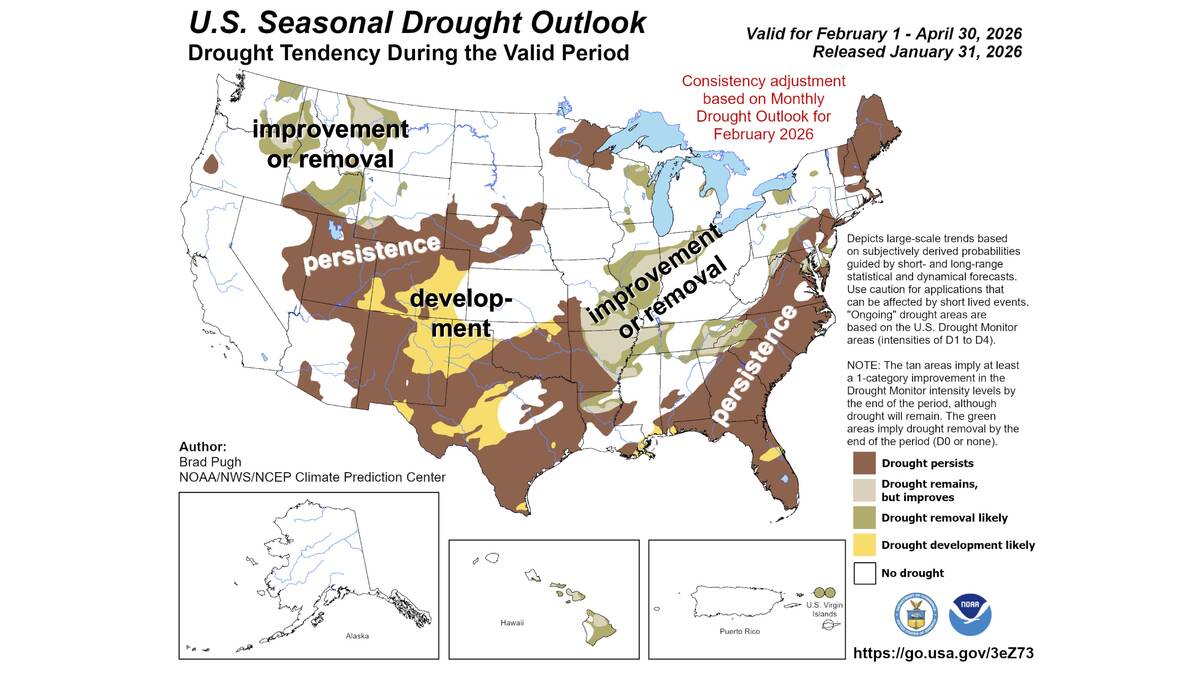
Neutral conditions drive 2026 weather as La Niña subsides
U.S. government meteorologist expects there will be neutral ENSO conditions for the 2026 farm growing season.
The working group’s action plan will focus on a “limited number of issues that will make a meaningful contribution at the border,” he said. The basic goals are to facilitate trade and economic growth, improve early response to any possible offshore threats, integrate cross-border law enforcement, promote regulatory co-ordination, and cooperate in protecting border infrastructure and cyber security.
Two other groups – the Canada-U. S. Vision for Perimeter Security and Economic Competitiveness and the Regulatory Cooperation Council – were announced during a meeting between Prime Minister Stephen Harper and President Barack Obama in February. In their joint statement, the prime minister and the president promised “creative and effective solutions to manage the flow of traffic between Canada and the United States. We will focus investment in modern infrastructure and technology at our busiest land ports of entry.”
The two leaders said they’ve told their officials “to look for ways to reduce and prevent regulatory barriers to cross-border trade, because simplifying rules and reducing red tape lead to lower costs for business and consumers, and ultimately to more jobs.” They want regulations “that enhance economic competitiveness, while maintaining high standards of public health and safety, and protecting the environment.”
Also on the to-do list is “an integrated cargo security strategy.”
The two countries do about $800 billion a year in trade annually, and it’s estimated that one in five Canadian jobs depends on trade with the U.S.