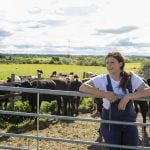
Manitoba farmers use all terrain and off-road vehicles (ATVs and ORVs) to check fences and livestock, crop scout, spot spray and much more. No matter the task or the operator, there are hazards in driving an ATV or ORV, and a key part of any safety plan is to assess the risk and put SAFE operating procedures in place.
New and young workers are most likely to be injured in ATV/ORV incidents. That’s why it’s important to train all workers and family members on operating these vehicles and in specific procedures related to their agricultural tasks. Farmers are responsible for ensuring all workers, including themselves, are appropriately trained in every aspect of their duties.
Read Also
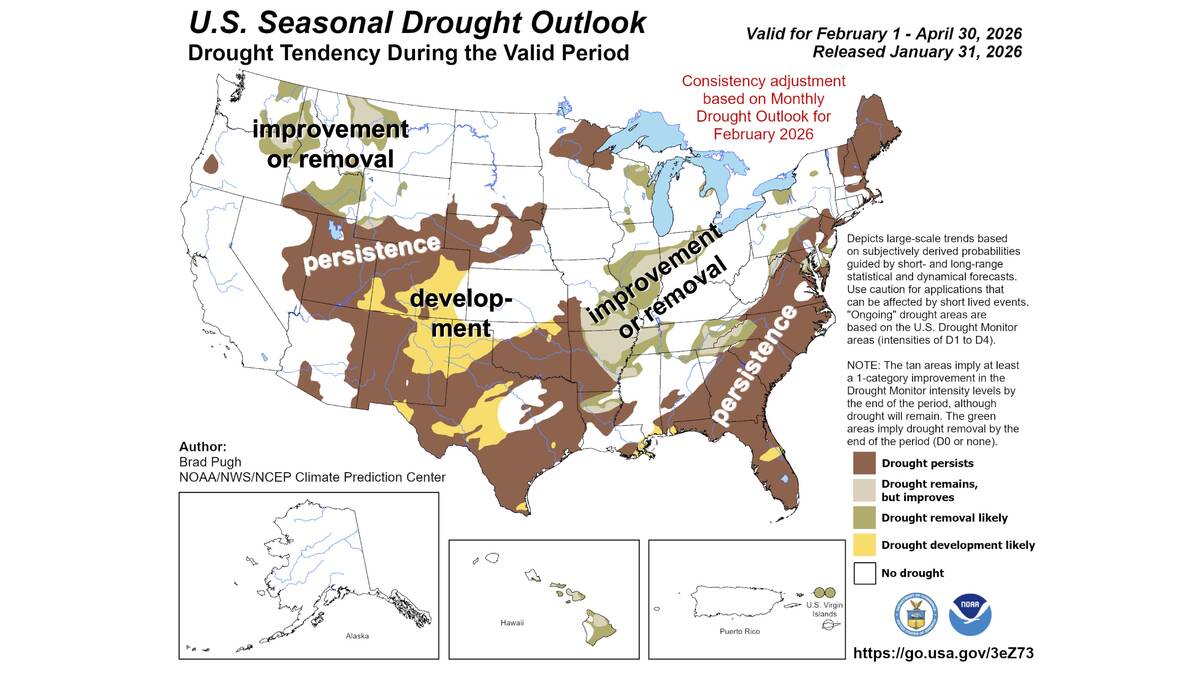
Neutral conditions drive 2026 weather as La Niña subsides
U.S. government meteorologist expects there will be neutral ENSO conditions for the 2026 farm growing season.
Most ATV/ORV incidents are due to drivers losing control, rollovers, collisions, carrying extra passengers and loads. The result may be injury, disability or even death for passengers and drivers.
A farm safety plan for using ATVs/ORVs as working equipment should include training, enforced rules about wearing proper safety gear, pre-operational checks, a no-rider rule on machines not equipped for a second rider, first aid kits and a working alone plan.