
Manitoba and its farmers have a role in fighting climate change, says Manitoba’s new agriculture minister, Derek Johnson.
“The (2021) drought underlined the impacts of climate change on our sector and reminded us of the importance to look ahead and prepare,” he told the Keystone Agricultural Producers’ annual meeting Jan. 25 in a recorded video.
“Last fall the Department of Agriculture heard from Keystone Agricultural Producers, and others, that Manitoba has the potential to be a global leader in climate-based solutions. I appreciate the vision of our sector as responsible stewards of our environment. Producers will lead positive change.”
Read Also
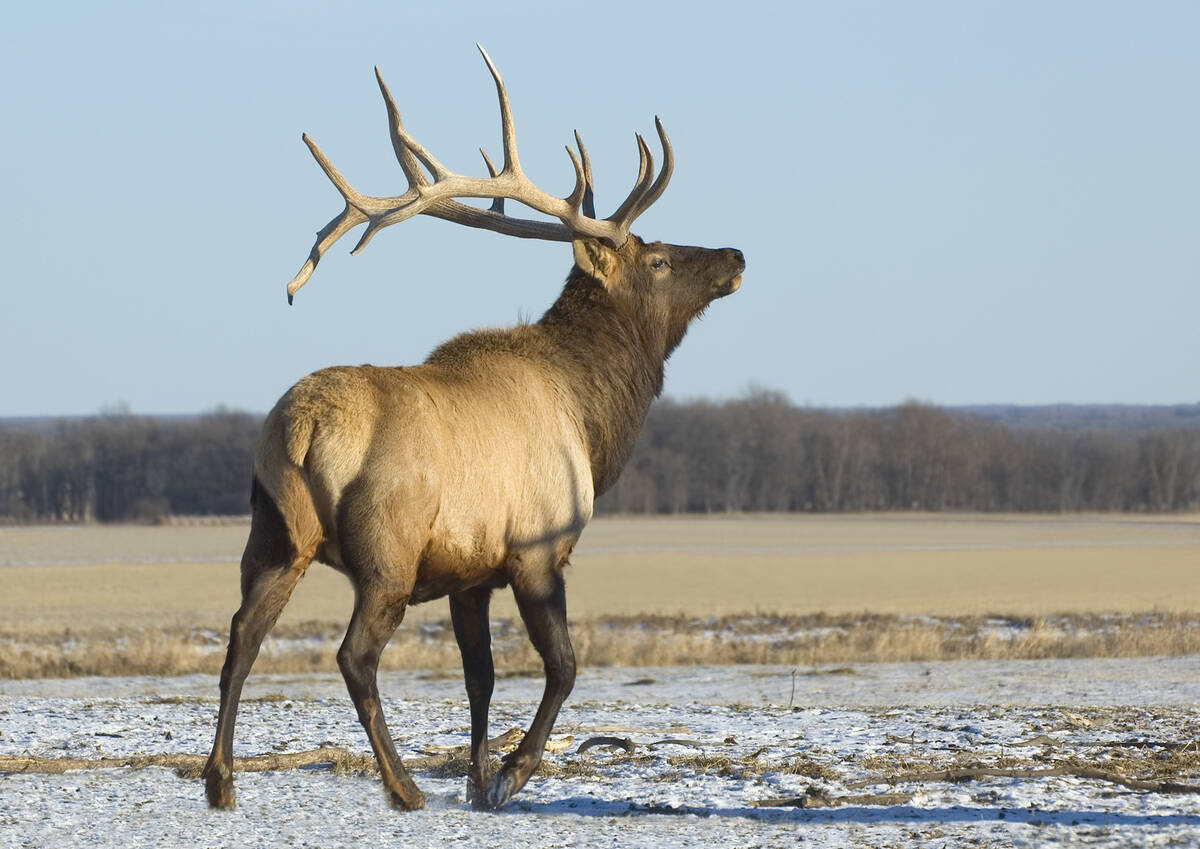
Manitoba Beef Producers take aim at elk surge, feed losses from wildlife
Resolutions at last month’s Manitoba Beef Producers meeting seek help to rein in elk and deer populations, expand fencing supports and improve compensation for wildlife damage.
Environmental goods and services are increasingly important for building public trust in agriculture, Johnson said.
“Decarbonization and reducing greenhouse gas emissions will bring a challenge, in particular with respect with nitrogen fertilizer,” he said, adding industry is seeking help with that.
“These strategies include increasing the production of nitrogen-producing forages, promoting sustainable livestock production, and increasing the health of grassland ecosystems,” Johnson said. “We must continue to offer incentive-based programs to support producers to adapt and address climate change to meet emission reduction targets to continue to build resilience. We can achieve this through nature-based solutions such as rotational grazing, wetland restoration and efficient water management. We also heard from the sector on the ongoing need for investment in research. This includes research that supports the development of climate change adaptation and risk mitigation tools.”
Meanwhile, the Manitoba government is finalizing a made-in-Manitoba water strategy that supports producers in the event of floods or droughts and incorporates irrigation needs, he said.
While KAP hasn’t seen the details, it is encouraged by the government holistic approach, KAP president Bill Campbell said in an interview.
“Now we’ll probably have a broader focus on what this water strategy needs,” he said, adding that in the past the focus was on flood mitigation.
The government is working on the next five-year federal-provincial Agricultural Policy Framework, which takes effect April 1, 2023 and wants KAP’s input, Johnson said.
Fighting climate change will affect Canada’s economy and farmers, but agriculture can provide solutions, Canadian Federation of Agriculture (CFA) president Mary Robinson said in her recorded speech to KAP.
“CFA’s position is that these environmental policies and measures should not negatively impact farmers’ profitability or our ability to maintain and even improve yield and quality,” she said.
“The 2023 policy framework is a key opportunity to position our sector as an economic and an impactful ally in the fight against climate change.”
CFA’s three priorities are: increased funding in next Agricultural Policy Framework, leveraging agriculture’s environmental benefits, and investing in critical infrastructure.
On the truckers’ protest against COVID vaccine mandates to cross the Canada-U.S. border, Robinson said CFA is asking the federal government about the potential impact on farmers, food and the supply chain.
“While we understand there is a need to protect public safety, some of these measures, overall, may do more harm than good to the Canadian public,” she said.