briefs
new york/reuters Monsanto Co. has lost a bid to close part of a lawsuit alleging the company caused health injuries to residents living near a plant that made the Vietnam War-era U.S. military defoliant Agent Orange.
Monsanto, which operated a Nitro, West Virginia, chemical plant from 1934 to 2000, argued it was working as a government contractor and therefore protected from certain claims related to its waste disposal at that facility.
But U.S. District Judge Paul Gardephe in New York on Sept. 28 rejected the company s request for partial summary judgment based on its government contractor defence and said the suit, filed in 2009 by West Virginia residents, could proceed.
Read Also
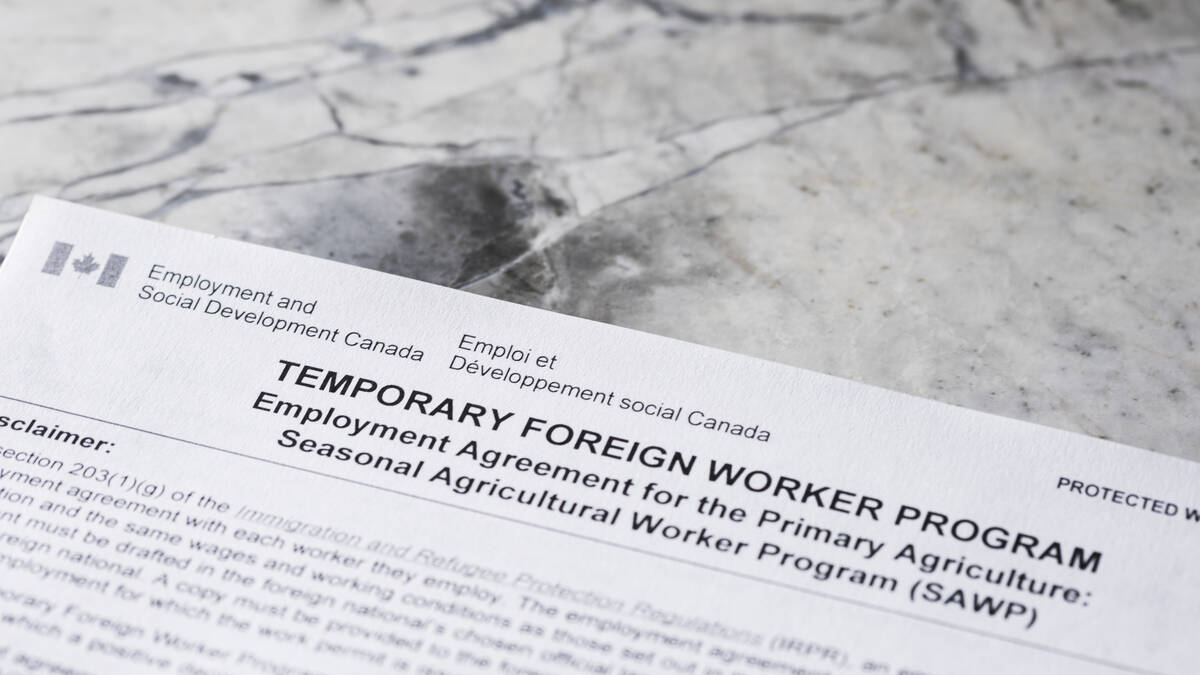
Meat sector shrugs at raised cap for rural temporary foreign workers
Federal moves to relax restrictions is unlikely to change much for agriculture or meat processing, where the real ask is permanent residency pathways.
Monsanto manufactured a herbicide 2,4,5- trichlorophenoxyacacidic acid ( 2,4,5-T ) a compound used in Agent Orange, so-called in the Vietnam War because of the orange colour of the barrels in which it was stored.
Plaintiffs Mary Spaulding and Sandy Spaulding lived in the Nitro area during the period of Monsanto s activities and said they suffered injuries from being exposed to the harmful chemicals, which are also known as dioxins, due to negligence disposal practices by Monsanto.
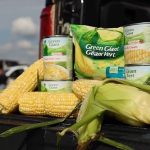
Monsanto sweet corn targeted for boycott
reuters A consumer advocacy called The Center for Food Safety has filed a legal petition seeking mandatory labelling of foods made from genetically engineered crops.
Filing a petition with the U.S. Food and Drug Administration is the first step toward ultimately filing a lawsuit against the government agency to force labelling, said the group s spokesperson.
Although there are thousands of unlabelled items on grocery store shelves that contain at least traces of genetically altered corn, soybeans and other crops, the move appears prompted by Monsanto s introduction of a new Roundup Ready sweet corn.
Monsanto and other biotech seed companies oppose labelling and say the crops and foods made from genetically modified seeds are indistinguishable from non-GMO foods in composition, nutrition and safety.