Canola futures held relatively steady during the first week of April, chopping around in rangebound activity as shifting sentiment on the war in the Middle East roiled outside markets.
However, a tentative two-week ceasefire agreement was reached in the last hours before U.S. President Donald Trump had threatened to destroy the Iranian civilization if the Strait of Hormuz was not reopened. Crude oil tumbled in response, and agricultural commodities — including canola — were also lower on April 8.
Crude and canola
After trading in a C$20 range from C$720 to C$740 per tonne for most of the previous month, the May contract fell below C$710 per tonne after the ceasefire announcement. That took the contract to within a few dollars of where it had been prior to the U.S./Israeli attacks on Iran that started Feb. 28. From a chart standpoint, the highs in canola appear to be in for the time being. There’s plenty of room to the downside if the speculators holding large net long positions decide to start liquidating.

The likelihood of more twists and turns in the Middle East should keep all markets on edge through the tentative ceasefire, but North American grains and oilseeds will also be taking more direction from their own fundamentals as the next growing season gets underway.
Ceasefire impacts
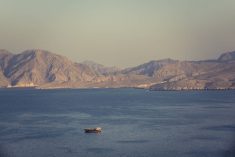
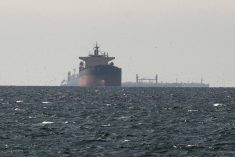
Iran will allow vessels through the Strait of Hormuz under the ceasefire agreement, albeit at a cost. Vessels stuck in the Persian Gulf should be able leave, but it’s uncertain how many ships will brave the journey back into the war-torn area given the small ceasefire window.
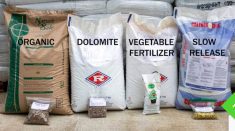
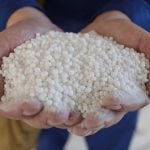
Physical shortages are already being seen in parts of the world, with an estimated 30 per cent of the world’s fertilizer trade moving through the strait.
Read Also

Tariffs, trade wars and the Iran conflict: How Prairie farmers can manage unprecedented volatility
Prairie farmers face unprecedented volatility but experts say smarter contracts, fertilizer planning and diversification can help.
Prices tend have an easier time going up than down, so fertilizer costs that climbed higher during the closure of the key waterway are unlikely to soften enough to provide much relief at seeding time. Planting decisions could see some adjustments, but one question now is how yields may be hurt by reduced fertilizer applications.
Seasonal price trends generally see canola move higher in the spring. Whether those seasonal trends are enough to counter the larger geopolitical developments remains to be seen.