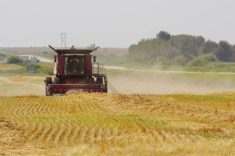
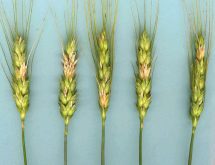
Argentine farmers halted sales of wheat, corn and soy on Monday as they went on strike over export curbs, rekindling a dispute that helped drive global grains prices to record highs three years ago.
The seven-day protest could fuel supply concerns just as dry weather linked to the La Nińa weather pattern worsens the outlook for soy and corn production.
Argentine farmers have been at odds with the government for years over export curbs aimed at taming double- digit inflation and guaranteeing affordable supplies of everyday staples.
Read Also
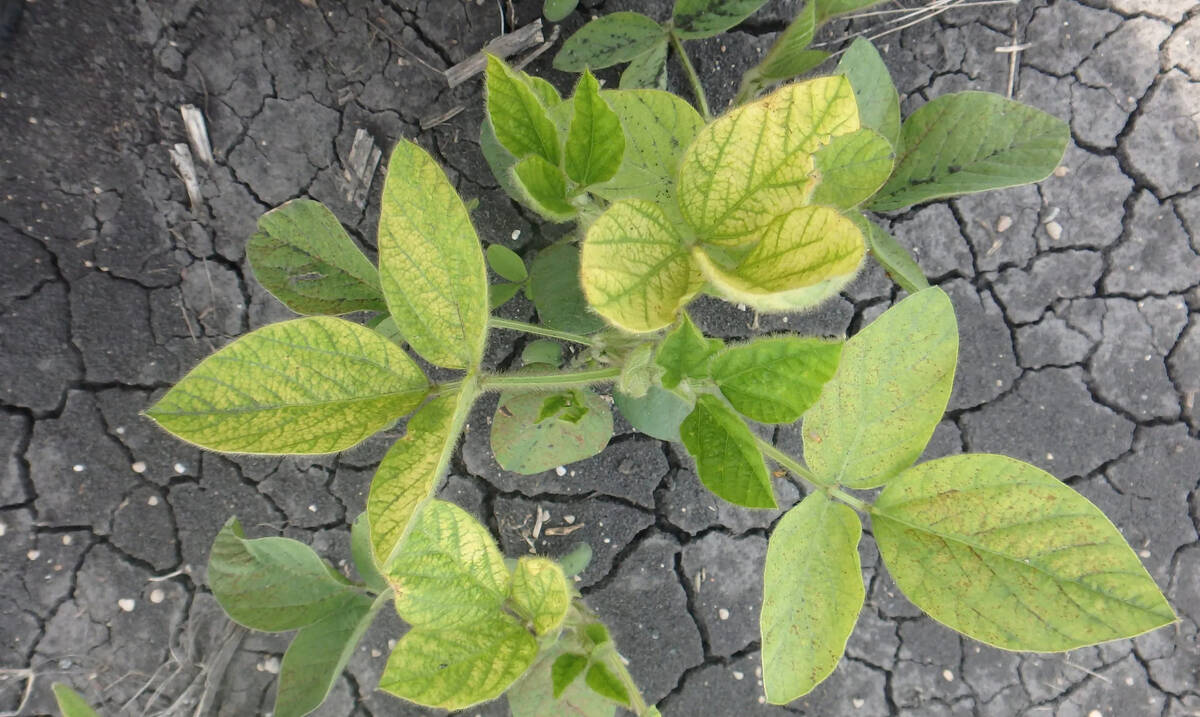
Selecting IDC-tolerant soybeans doesn’t reduce yield, Manitoba study confirms
University of Manitoba research shows soybean varieties selected for iron deficiency chlorosis (IDC) tolerance protect yield in affected areas without reducing performance elsewhere in the field.
They say a system of wheat and corn export quotas lets millers and exporters pay farmers low prices, and they demand that centre- left President Cristina Fernandez scrap the caps so they can enjoy high wheat prices as they harvest a bumper crop.
“We must improve and normalize grains trade in Argentina, especially for wheat and corn. Farmers lose fortunes and consumers have to pay more for their daily bread,” said Eduardo Buzzi, head of the Argentine Agrarian Federation, one of the four farm groups leading the strike.
Buzzi said government policies only serve to benefit multinational companies such as Cargill and Louis Dreyfus.