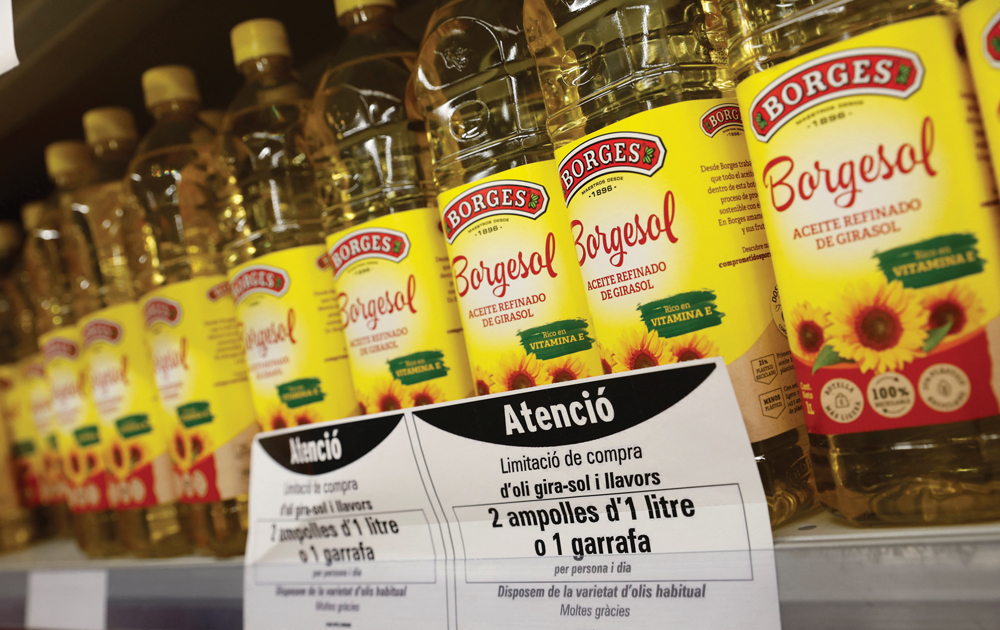
The ICE Futures canola market held strong during the first week of April, with new-crop months hitting fresh contract highs. While the old-crop fundamentals of tight supplies remain supportive, the continued rise in the deferred months is somewhat puzzling at first glance.
As far as the old crop is concerned, the cupboards are almost bare. Weekly canola exports have been coming in at some of their lowest levels ever, as there just isn’t much more canola to move.
Read Also
Manitoba farmers must be flexible on white mould control
Farmers should watch their bean and soybean canopies and disease risk, not the calendar, when choosing when to spray fungicide against white mould.
Total canola exports through 35 weeks of 4.06 million tonnes are roughly half of what moved during the same time a year ago. Domestic usage to date, at 6.26 million tonnes, is only off by a million tonnes from a year ago.
The snow is melting and seeding operations will soon be underway across the Prairies. Spring is the season of optimism and new beginnings, with better moisture levels in many areas after last year’s drought raising early expectations for at least a return to average yields in 2022. While there’s still a long growing season ahead, the unlikelihood of a repeat of 2021 should be enough to at least limit the upside in the new-crop contracts.
However, the trend remains intact and it looks more than likely that new-crop contracts will need to rise to meet the old crop rather than the other way around. Some analysts are predicting new-crop cash bids could hit $25 per bushel before seeding.
The bigger-picture issue, outside of Canada’s own supply situation, is the worldwide vegetable oil tightness. Palm oil, rapeseed oil, soyoil — they’re all starting to look tight. Sunflower oil is a relatively small component of the global vegoil market, but Ukraine accounts for a sizable portion of the world’s exportable supplies and the ongoing conflict there is another major market influence.
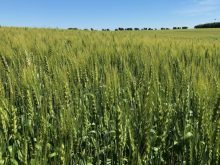
In the U.S., grains and oilseeds were also trending higher during the week, with some of the biggest gains seen in wheat. In addition to the concerns over the war in Ukraine, wheat also received a boost from early condition ratings for the U.S. crop. Only 30 per cent of the country’s winter wheat was exiting dormancy in good to excellent condition, with 36 per cent rated poor to very poor. That showed a marked decline in quality from the last reading ahead of the freeze-up.
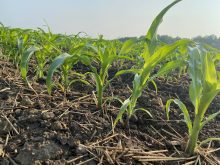
For soybeans and corn, the two crops are in the midst of their annual fight for acres. Soybeans had been pencilling out better than corn, with early expectations for a record soybean acreage base in 2022. Weather conditions through the planting season will likely be a factor to watch in the upcoming weeks.