
As long as the Middle East war continues, canola will be at the mercy of whichever way crude oil swings.
Over the course of the week ended March 24, crude oil along with soyoil and canola have shifted with the market’s outlook on the war.
‘Downwards’ was quite evident on March 23 when U.S. President Donald Trump claimed he spoke with a senior Iranian official over the weekend about finding a way to end the conflict. Although Trump offered no evidence to support his scant details of these alleged conversations, the markets embraced his assertion.
Read Also

Manitoba farm leaders praise 2026 budget gains, but gaps remain
Ag organizations say the budget delivers needed support but key concerns on young farmer tax credits, drainage and red tape remain.
That Monday, the May contract for West Texas Intermediate fell by more than US$10 per barrel, dragging down soyoil and canola with it. Some semblance of common sense returned the following day. The war was still carrying on, with Israel attacking Iran and the latter striking back and at other Persian Gulf countries.
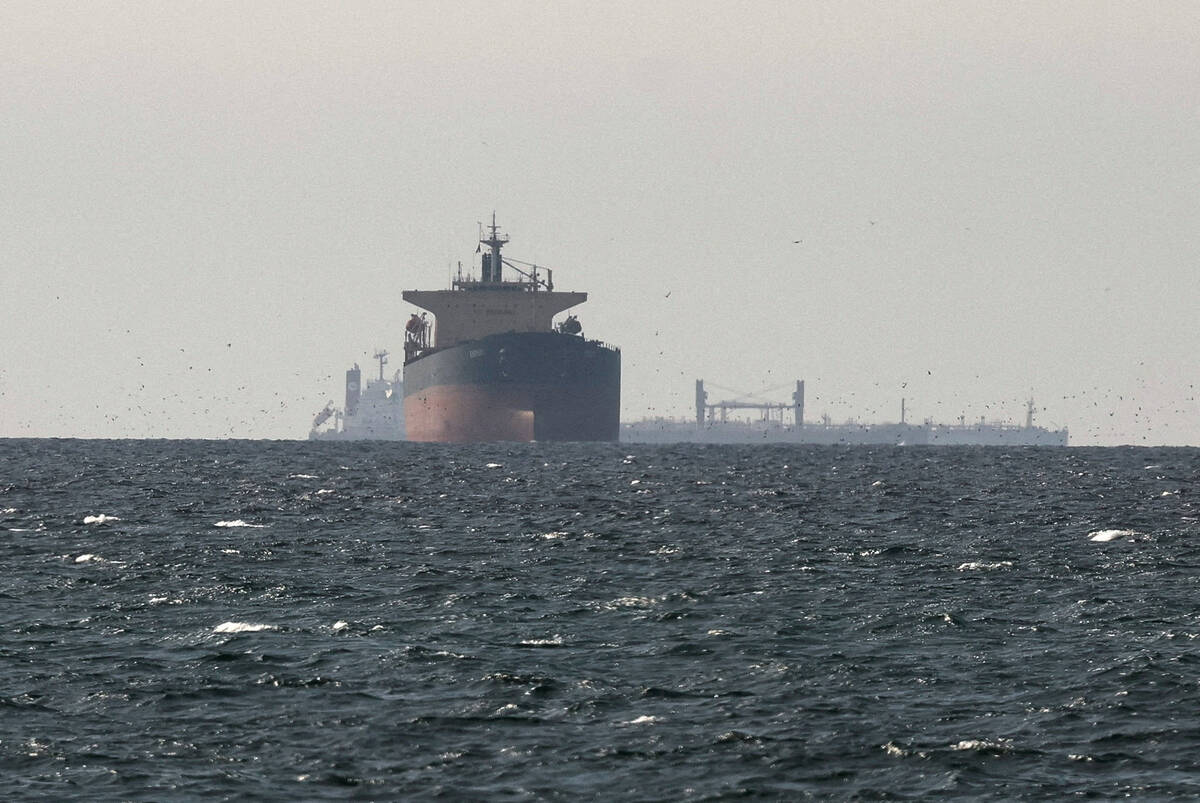
More recently, Trump said he put forth a 15-point ceasefire plan, to which Iran quickly said no. He previously threatened to level Iranian energy and power facilities in hopes of crippling the country if a deal wasn’t reached by March 27.
Meanwhile, the Iranian government repeatedly denied such negotiations were taking place. Yet, The Washington Post reported that Egypt, Pakistan and Turkey were acting as intermediaries between the U.S. and Iran. It was through Pakistan that Trump forwarded his proposal.
As the diplomatic dance continued, prices for fertilizer and diesel climbed higher. Any benefit from higher canola prices for farmers could be wiped out by paying far more for fuel and fertilizer than expected. As well, global supplies of nitrogen-based fertilizer were rapidly shrinking.
During the week’s fluid machinations, crude oil had a net loss about US$3.20 per barrel by March 24 and was falling further as the market adjusted to Trump’s 15-point plan.
Chicago soyoil followed crude’s fluctuations during that week as it retreated by almost a quarter cent at 65.73 U.S. cents per pound in its May contract by March 24.
That meant the spillover pulled down canola, with its May contract giving up $5.60 per tonne at $723.90 also by March 24.