Whether calves will be retained and backgrounded or sold shortly after weaning, it is important to consider the impacts of weaning strategies on calf health and performance, says Janna Block, North Dakota State University Extension livestock systems specialist at the Hettinger Research Extension Center.
Many producers wean calves at the same time every year but factors that should be considered include cow body condition, feed resources and the timeline for feeding and marketing the calf crop.
If cows are in poor body condition and forage conditions are poor, reducing nutritional demands from lactation is one of the best ways to improve cow condition and prepare for the next calving, says Block. Since nursing calves also consume forage at two to 2.5 per cent of body weight, weaning can also reduce forage demands and allow producers to extend the grazing season.
Read Also
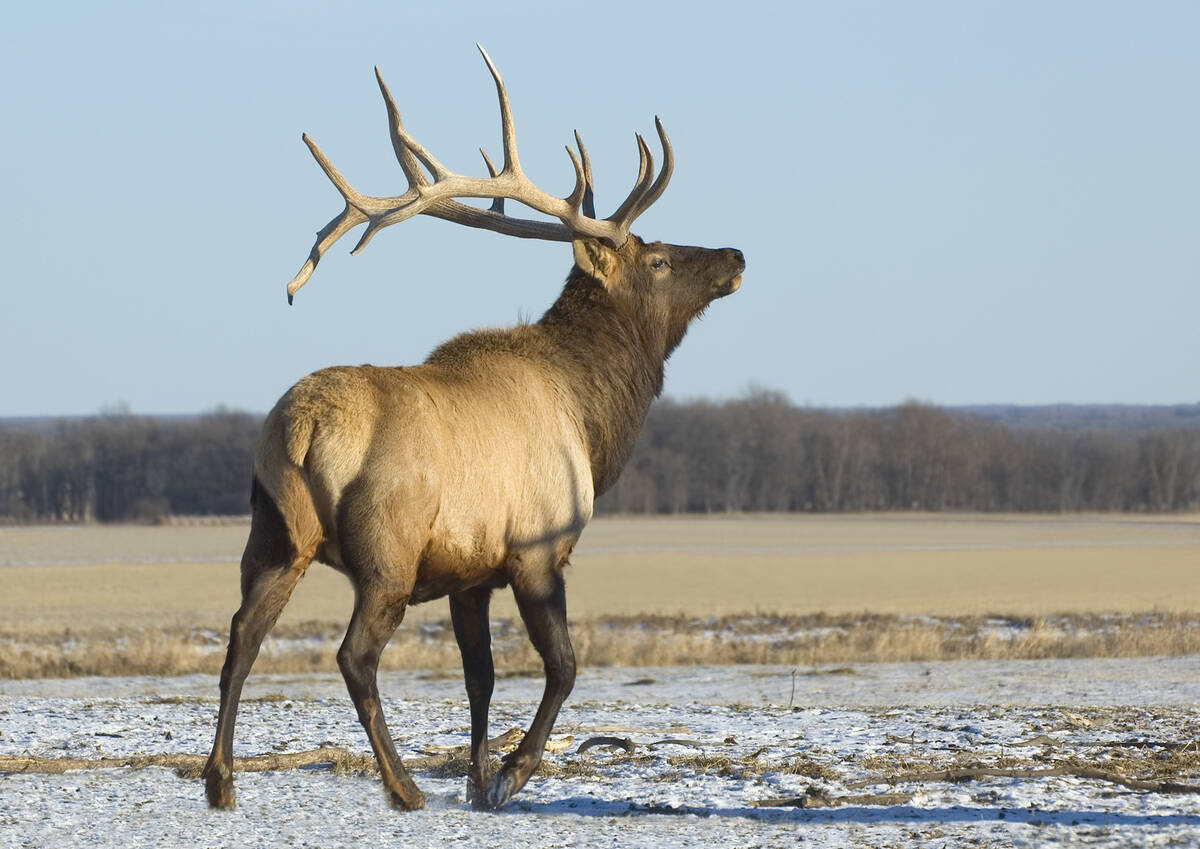
Manitoba Beef Producers targets elk surge, wildlife losses in resolutions
Resolutions at last month’s Manitoba Beef Producers meeting seek help to rein in elk and deer populations, expand fencing supports and improve compensation for wildlife damage.
Besides birth, weaning is one of the most stressful periods in a calf’s life. Multiple stressors occurring at once can multiply the negative effects. Types of stress include removal from the dam and commingling with herd mates, processing (weighing and vaccinations), changes in feed and a new pen or pasture environment.
Increased levels of cortisol in the blood due to stress can lower immune function, increase susceptibility to disease and reduce weight gains. Taking steps to minimize stress during this period will optimize health and performance of weaned calves.
[RELATED] Canadian Cattlemen: Minimize stress on arrival the key to starting calves on feed
Weaning strategies
Traditionally, calves are weaned by abrupt separation from the dam. While this method is commonly utilized due to reduced inputs, it results in maximum stress and bawling calves. Some research indicates that calves may walk 15 to 20 kilometres daily and eat less feed when weaned through this method. In addition, a higher percentage of abruptly weaned calves may require treatment for respiratory diseases.
Two-step weaning strategies do not allow suckling but allow the calf to maintain contact with the dam before separation. This method can be implemented using fenceline weaning or anti-suckling devices such as nose flaps.
If considering fenceline weaning, move the cows to an adjacent dry lot or pasture and allow the calves to remain in a familiar environment. This strategy requires secure fences. If forage quality or quantity is a concern, producers may need to provide good-quality grass hay to calves to reduce weight loss during the weaning period. Once calves are weaned and eating forage, they can be moved to a dry lot or fed on pasture, depending on feed resources.
“Utilizing nose flaps requires additional handling, but reduced stress and better performance may be worth it,” says Block.
“Calves can be fitted with nose flaps, vaccinated and turned back out with cows for another four to five days. If left on longer, there is increased irritation in the nose, more lost nose flaps and an increased incidence of ‘cheaters’ who have learned to nurse around them. To remove the flaps, calves must be run through a chute a second time. These devices can be washed and reused in most cases.”
[RELATED] Canadian Cattlemen: Low-stress weaning for calves
Health management
If cow-calf pairs were split across multiple pastures this summer and fall, producers should consider weaning by pasture group with no commingling for at least 45 days after weaning. Even if all calves were born and raised on the same ranch, cattle in various groups have likely developed a different social structure and may have been exposed to different organisms or health challenges. Commingling all pasture groups at the same time into a common weaning pen or pasture can lead to increased respiratory disease post-weaning.
If possible, bring all cows and calves together in a common pasture several weeks before weaning to allow them to acclimate.
[RELATED] Test forages for nitrate prior to haying or grazing
Other potential risk factors may influence health at this time. Lack of passive immunity, temperature fluctuations, heat stress, nutritional stress prior to weaning, dusty pens and handling stress may negatively impact the healthy transition to weaning.
Weaned calves are at high risk for parasite infestations, which can impact immune function and reduce feed intake. Calves should be dewormed when they receive their first round of shots if possible.
Although vaccine protocols vary, calves should be vaccinated against clostridial and bovine respiratory disease pathogens. Consult the herd veterinarian to develop vaccine protocols.
Facilities and stockmanship
Pre-check all facilities such as gates, chutes, alleys and crowd tubs before weaning to ensure everything is in good working order. Make sure surfaces are non-slip and eliminate packed snow or ice to avoid falls. Try to avoid weaning if there is a big cold front coming and reschedule if necessary.
Maintaining vaccines at the required temperatures can be challenging in the cold. Freezing will inactivate modified live vaccines and can create compounds that increase stress. Use a well-insulated cooler and store vaccine guns appropriately when not in use.
“The importance of animal handling during weaning shouldn’t be underestimated,” says Block. “Excitement caused by loud and aggressive interactions with humans will add stress and could reduce immune function. Aggressive cattle handling will also slow the rate at which calves adapt to new feed and water resources, and could influence temperament throughout the feeding period.
“This will increase flightiness, decrease time spent at the feed bunk and cause an overall decrease in weight gain, feed efficiency and cost of gain. It is a good practice to have the same person carefully walk pens with newly weaned calves to familiarize them with their new environment.”
Feeding management
Proper nutritional management of weaned calves is critical in ensuring optimal health and performance. For the first few days, calves should be provided with high-quality, long-stem grass hay, similar to what they may have consumed on pasture with their dams.
If calves have been consuming creep feed, it should be made available in the weaning pen. Putting familiar feed in bunks is a good way to train calves to eat. Place bunks or self-feeders perpendicular to the fence line so that calves will bump into their feed. Some producers use a palatable molasses-based mineral lick tub to get additional nutrients into the calves and stimulate salivation, which increases feed and water intake.
Clean and accessible water is crucial during the weaning period. Ideally, at least 10 per cent of cattle in the pen should be able to drink at one time. Water tanks should be checked daily and kept clean to avoid algae growth or contamination from feed and manure.
Additional water tanks in the weaning pen along the fence line might be useful until calves have adapted to their new water sources.
There are many different weaning strategies that can reduce stress and adequately prepare calves to make a smooth transition. For more information, NDSU Extension specialists have produced a backgrounding cattle video series available at the NDSU website.