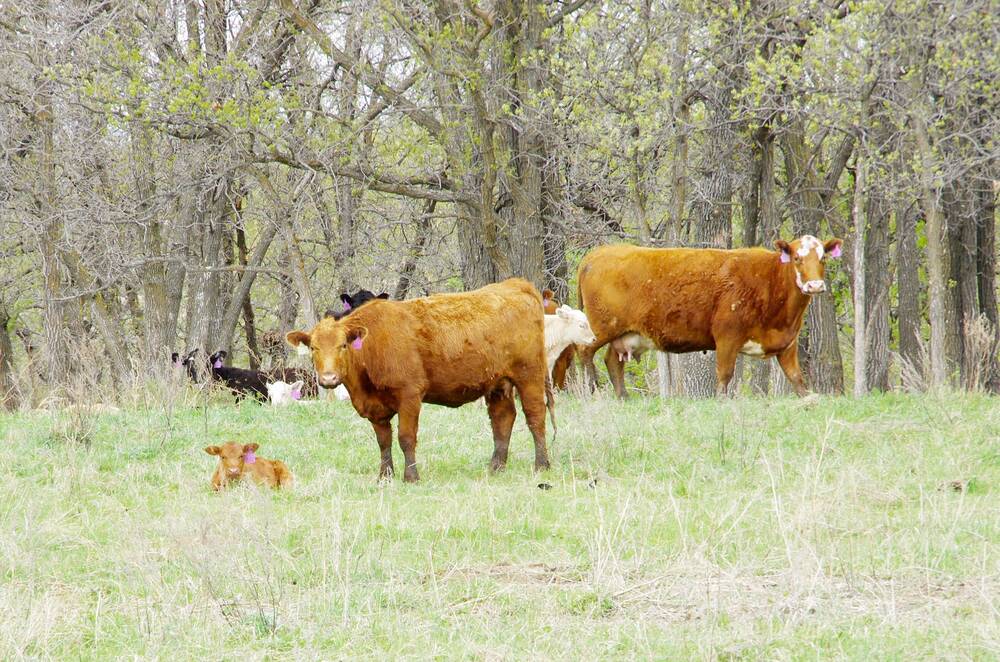
This article from 2024 offers practical safety tips for producers when working with newborns near protective mother cows. With Manitoba’s 2026 calf crop coming, we’re digging this one out from our archive.
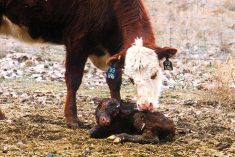
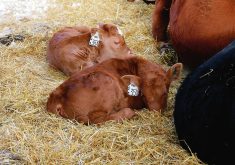
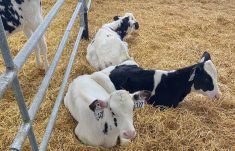
Producers have some things to keep in mind if they have to work with calves in the pasture and in the presence of a nervous mother cow.
Read Also
Calves in the feedlot: Feed additives to beat out coccidiosis
Adding ionophores to the calf feed ration can prevent cattle disease like coccidiosis and improve digestive efficiency in Canadian feeder calves.
WHY IT MATTERS: Working on calves on open pasture can be tricky with a thousand pounds of anxious cow in your face.
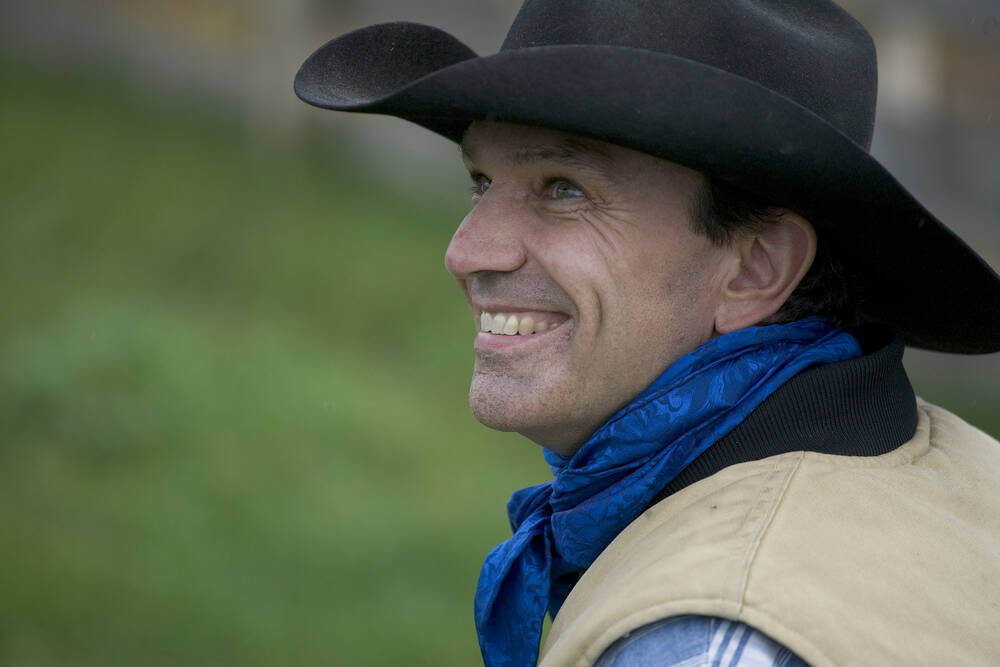
Reg Steward, a range contractor and commercial beef farmer near Williams Lake, B.C., stresses vigilance.
“Keep your eyes on that mom. Don’t get so preoccupied dealing with the calf that you don’t look up,” he said.
“I like a three-in-one rule. I kind of look down for three seconds, I look up and make sure that nothing’s changed. Try to position yourself in such a way that you can watch her at the same time as you’re dealing with the calf.”
Safe handling
Steward offers these tips to protect ranchers when working with anxious cows and their calves:
- Create a safe workspace: Use three or four panels to build a temporary box for the calf, pull the calf under a fence for protection, or work on the calf in the back of a truck.
- Keep the calf visible: Keep the newborn where the mother can see it to help keep her calm. Things are typically better if the mother cow can see her calf, Steward said.
- Exercise caution with ‘sharps’: Be extremely careful with knives and needles during tagging or vaccinating to avoid infections or dangerous reactions between livestock vaccines and human medications. “Sharps account for a lot of injuries, and then you can end up with infections or reactions that can be very serious,” he said.
- Use Steward’s “When in doubt, don’t” rule: If a situation feels unsafe or uncertain, do not proceed.
More hands, lighter work
There is no shame in asking for help, Steward added. If in an uncomfortable situation, look for support.
“Every worker in Canada has the right to refuse what they perceive to be unsafe work. It’s not just a regulatory provision across Canada. It’s just good business.
“We want our people to come home safe and we want them to learn, so if someone comes to you and says, ‘I’m not sure what to do here,’ then as an employer or co-worker, that’s just a great teaching opportunity.”
Steward is also a contractor with AgSafe B.C. and helped set up AgSafe Alberta, and notes that responsible management includes a reasonable plan for working alone.
“That’s a plan that goes two ways. It’s the capacity for you to check in, and the ability to be checked upon, when working alone or in isolation. That can extend to multiple people.”
If a person is working alone, they should be able to check in with someone who can help. They should have a pre-arranged check-in system and time, said Steward. If the person fails to check in, there should be a system in which someone checks on them.
Ranchers must figure out the right system for their environment, whether that is a cellphone or two-way radio.
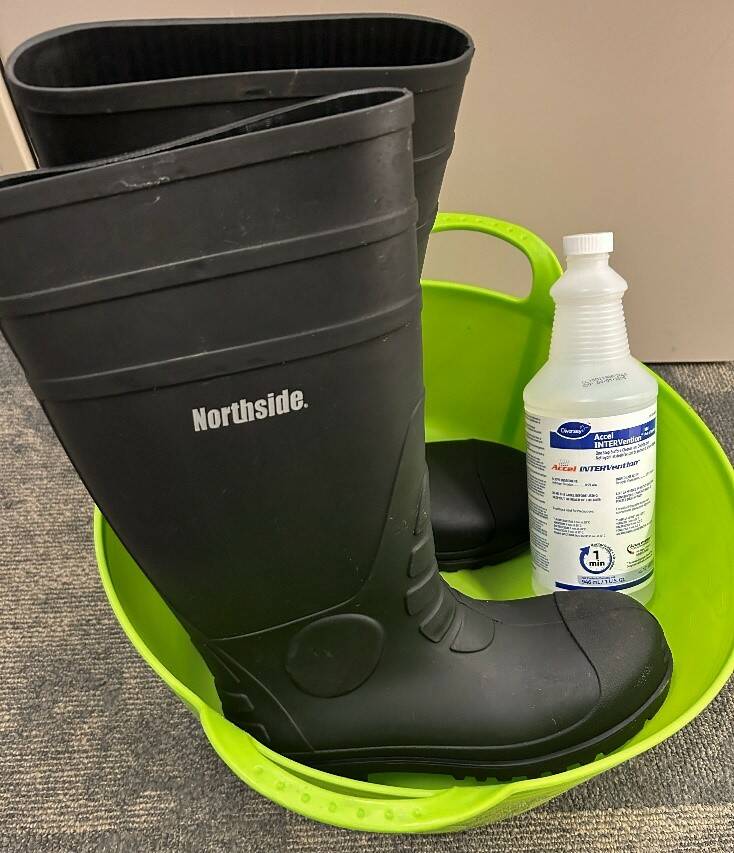
They can also protect themselves by washing with an effective disinfectant and practicing good hygiene while working with cattle.
Steward stressed communication and teamwork. People working with cattle should feel free to communicate any observations, including potential risks and hazards. It is also important to consider the needs of family members who may never have received training.
“It’s important for the whole aspect of due diligence to be able to manage your workers, whether they’re family members or employees, using what I refer to as the ‘three T’ system,” said Steward. “You tell them, and then you show them, and then you watch them.”
Calving
During calving season itself, he recommends making sure you have an exit strategy before interacting with animals.
“That doesn’t change if you’re pen riding, if you’re working on foot, if you’re in an enclosed area or if you’re on an open piece of ground; you want to always approach that calving situation, that newborn calf, that struggling mama, with the understanding that you need to know where you’re going to go before you have to go,” he said.
Farmers should know ahead of time how they’re going to react, “if that situation turns ugly.”
He also advised producers to look to their own health and well-being during the stressful season. That includes getting as much rest as possible, eating enough and properly, and staying hydrated.
“It’s sometimes too easy to just rely on coffee and more coffee and stronger coffee,” he said.
All of those factors can affect alertness, clear thinking and the ability to react.