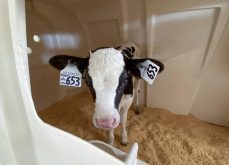
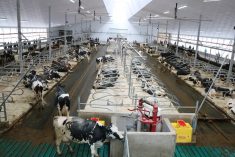
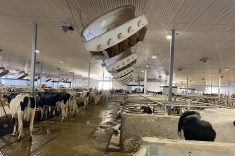
The federal government has granted a loan of $2.7 million to help colait, a Quebec firm specializing in the slaughter of milk-fed veal calves, improve its storage and upgrade its plant technology.
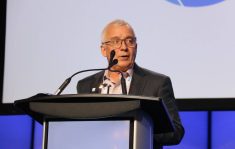
colait processes more than 100,000 head of veal in its facilities annually, raised by over 150 of its producer partners. With 50 per cent of its products exported, the company plays a major role in expanding market access for Canada’s producers. This federal investment will help the company achieve major savings which will help to increase the profitability of its plant and that of its partners, said Jean-Pierre Blackburn, minister of state for agriculture, in announcing the loan.
Read Also
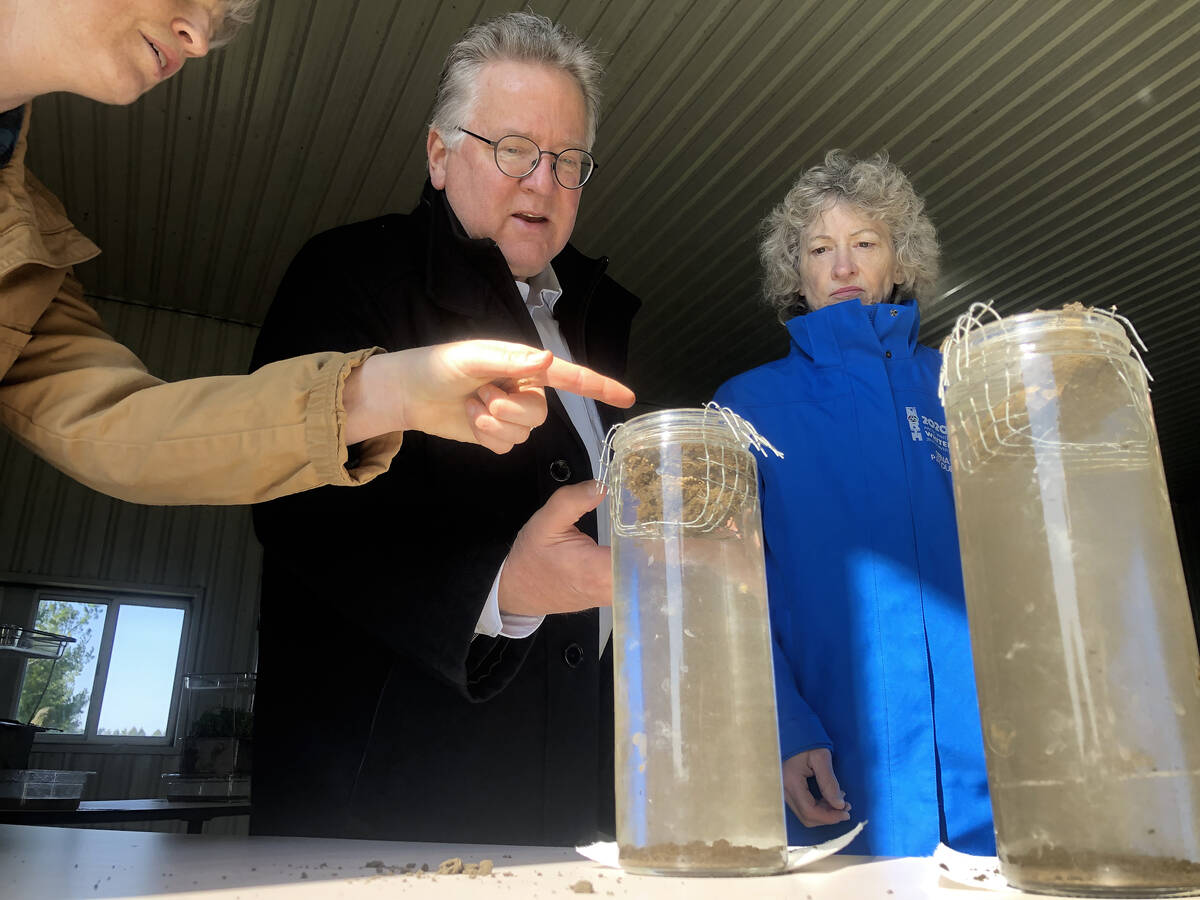
MFGA praises federal government’s national soil strategy promise
Ottawa has announced plans to develop a national agricultural soil health strategy, drawing praise from Manitoba farm organizations.
“In this current global economy, Canada must be able to rely on a strong and profitable red meat industry,” Blackburn said. “This investment will help colait cut its costs considerably and improve its operations, which by extension, will help Quebec producers capture new domestic and international markets.”
Since its establishment in 1979, colait has made several major acquisitions and has grown to a staff of 350 employees. The company currently holds substantial market shares of 61 per cent in Quebec and 68 per cent in Canada.
Government Policy Top Priority
Combating government regulations that could raise costs for already struggling U. S. cattle producers will be the top priority of the next president of the nation’s largest cattle group.
Steve Foglesong, who is set to become the next president of National Cattlemen’s Beef Association, said government policies on ethanol use and climate change could pose more serious problems for the industry.
“If we are regulated out of business, the economy and demand will not make any difference.”