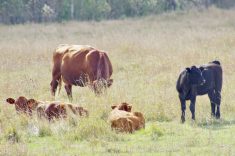
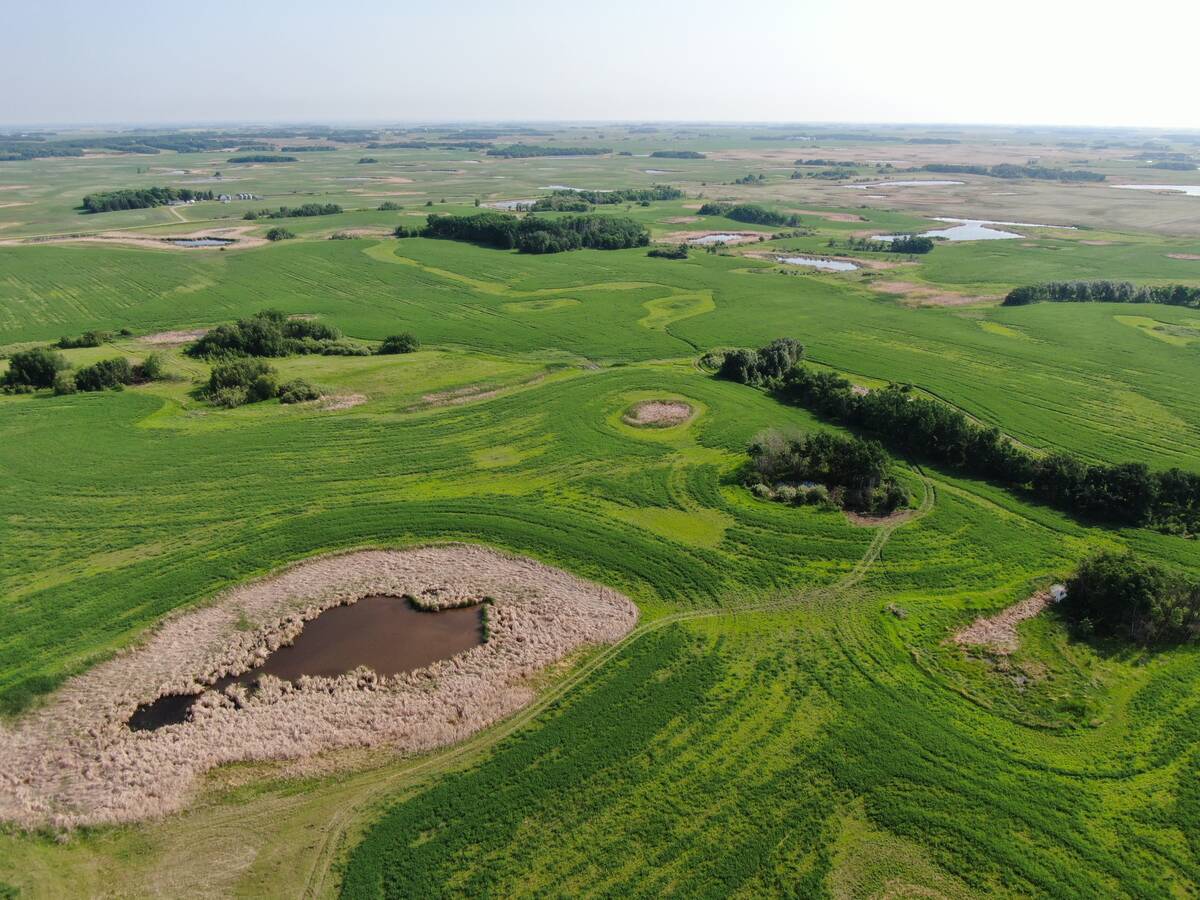
For Manitoba Beef & Forage Initiatives, adding 467 acres to Brookdale Research Farm is about finding out what is truly profitable on a real cattle operation.
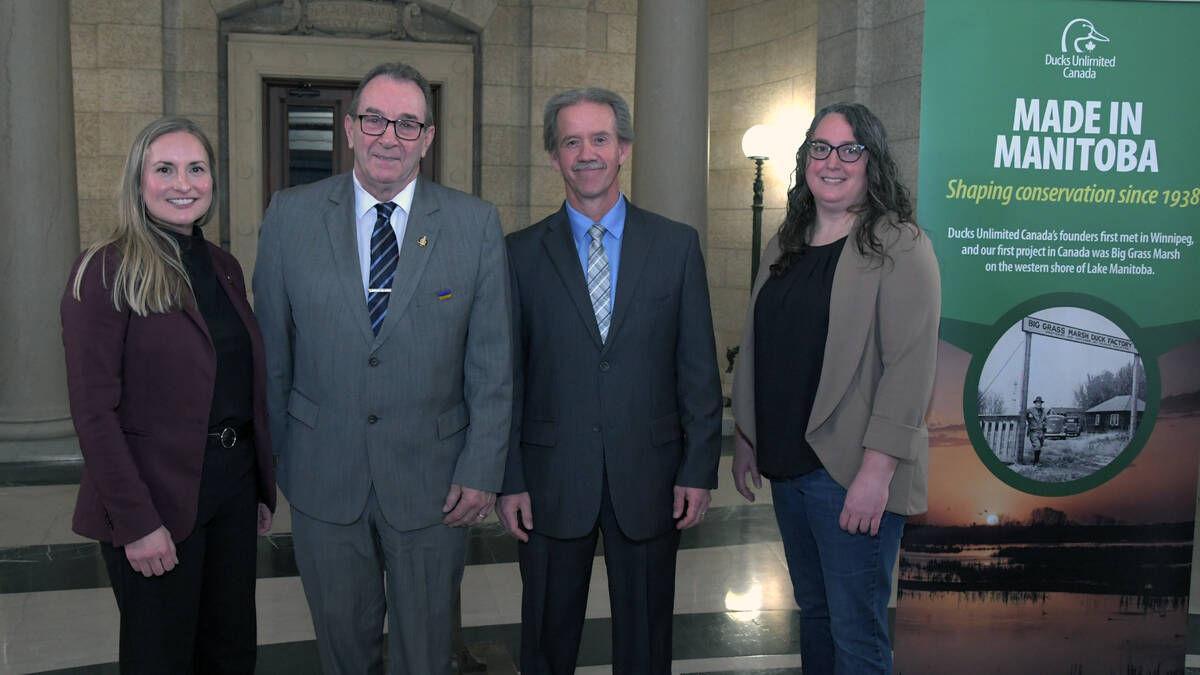
The expansion to the farm near Forrest, Man., is being made possible by land from Ducks Unlimited Canada (DUC).
The land, with a value of $1 million, provides access to the Odanah Pasture, increasing the farm’s size by about 42 per cent, according to a press release sent out by DUC on March 16.
WHY IT MATTERS: By turning a restored pasture into a full commercial-scale trial, MBFI is working to answer the question producers care about most: what’s actually profitable on grass.
A commercial-scale test
MBFI already manages about 2,000 acres for research and demonstration, much of it owned by DUC, however, a lot of that work is divided into smaller trials.
Read Also
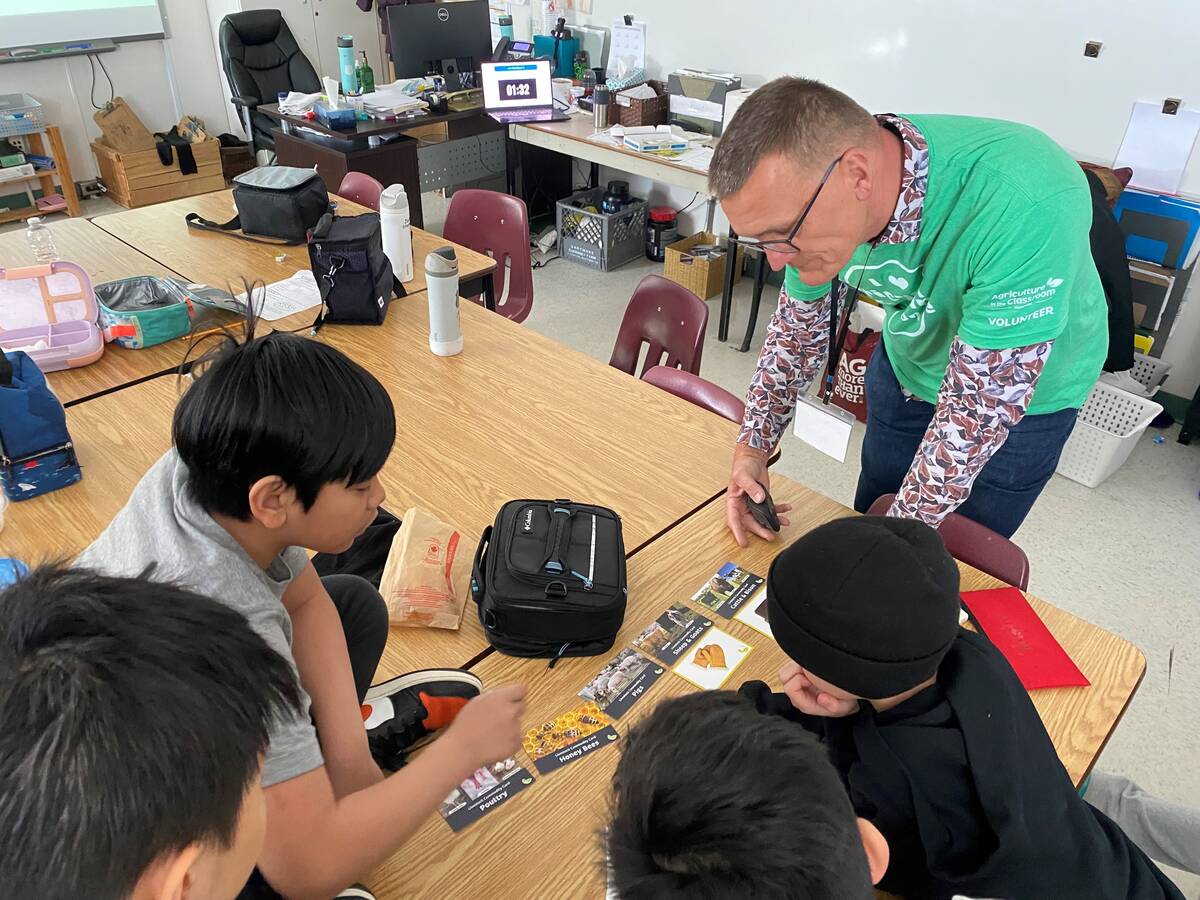
From farm gate to Grade 4: CALM celebrates 15 years in Manitoba classrooms
Canadian Agriculture Literacy Month marks its 15th year with 159 volunteers visiting 436 Manitoba classrooms to connect students with agriculture.
The Odanah Pasture is intended to stay whole, allowing for a full-season grazing trial that mirrors how producers actually run cattle.
The focus is on how that land is used: keeping it intact and running it like a commercial operation rather than breaking it into small research plots.
“This expansion … is really a blank slate that is representative of what would potentially be happening for a commercial producer,” said MBFI general manager Mary-Jane Orr.
Real costs, real returns
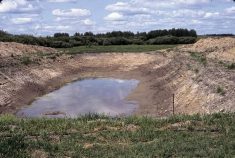
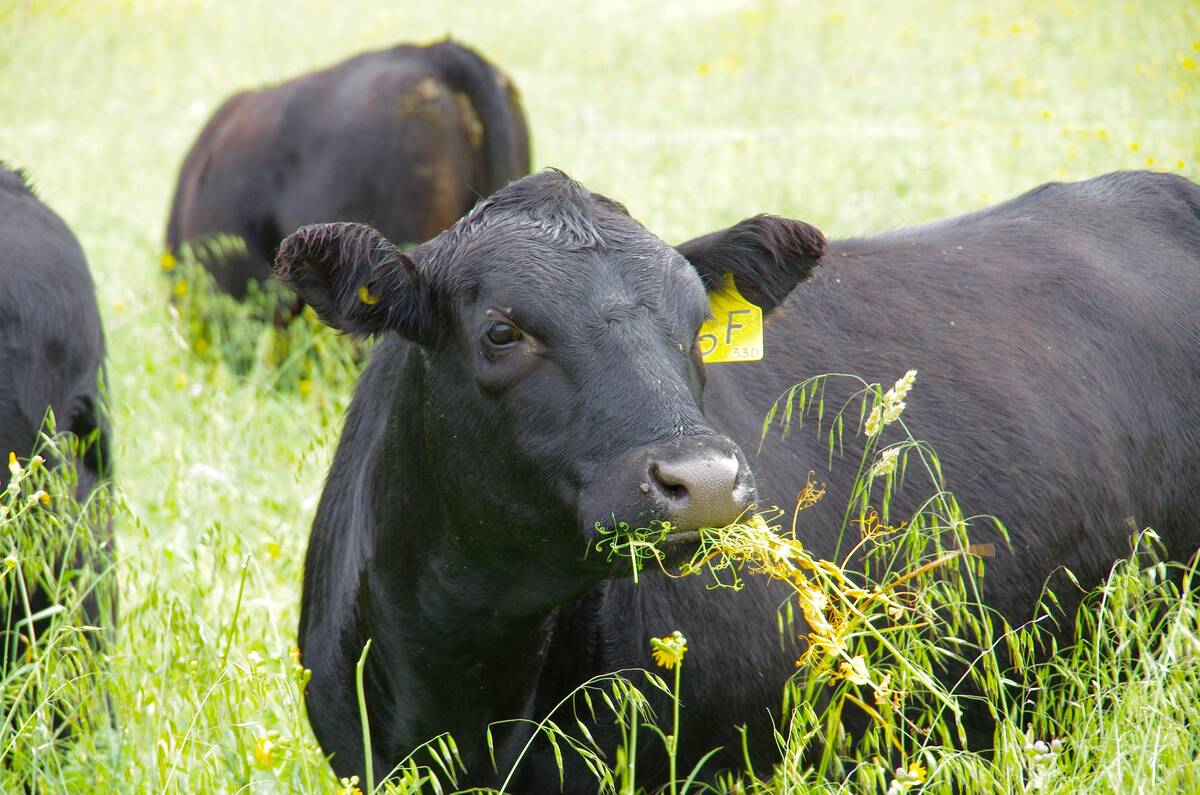
The pasture had been cropped before being restored to forage and used for hay production over the past several years. Now, MBFI plans to transition it into a full grazing system and measure the results.
“The biggest opportunity we have is to really start benchmarking that transition and keeping it at that commercial scale,” Orr said.
That includes tracking costs, returns and management decisions in a way producers can compare directly to their own operations.
For the next three years, this “real-world case study” aims to capture the profitability and economics of grazing highly productive, managed grasslands and restored wetlands, Orr added.
Looping producers into the data
MBFI is working to bring in a producer collaborator willing to share detailed financial and management data, including grazing costs and marketing decisions.
“What I’m really excited about with this project is that opportunity to work with someone that is already closely tracking their own enterprise economics,” Orr said.
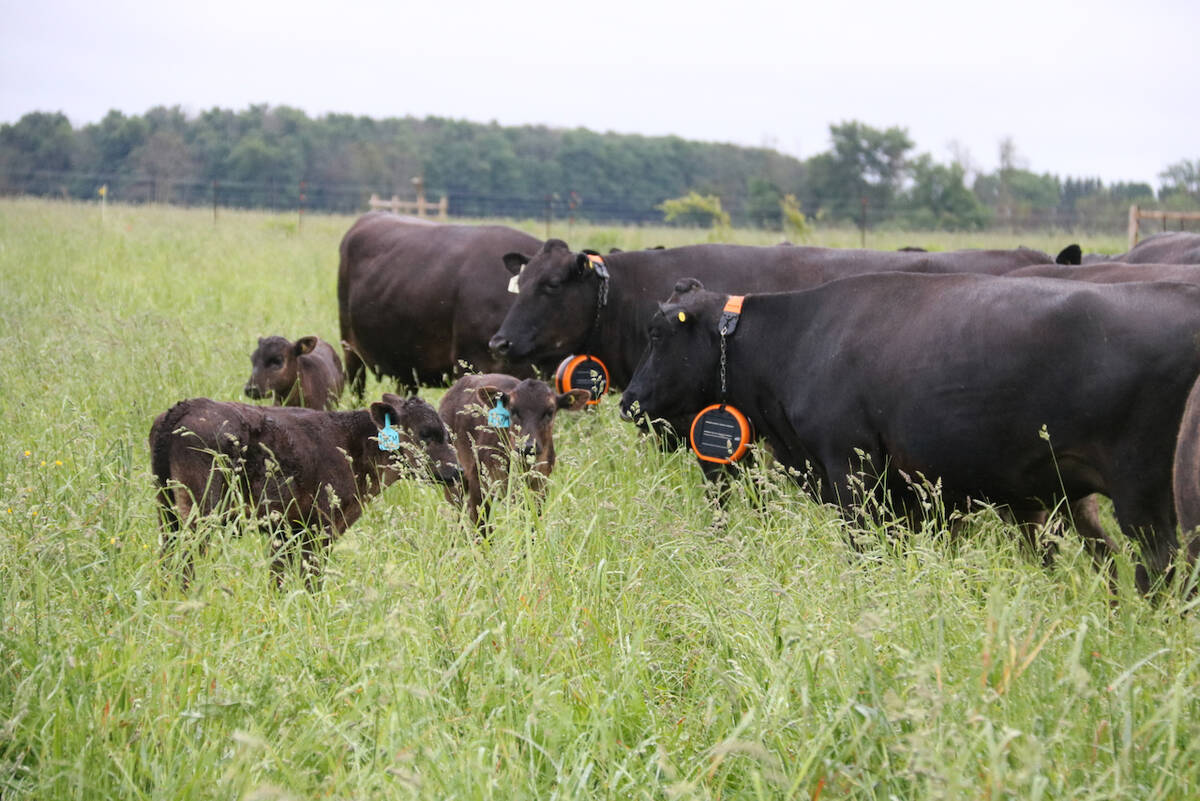
The scale of the land also opens the door to testing tools like virtual fencing in conditions where there’s no existing cross-fencing, something that hasn’t been possible on smaller research parcels.
Ranchers and conservationists see dual benefits
For beef producer Melissa Atchison, who ranches near Pipestone, the value of the project lies in its potential to help manage grasslands in a way that supports cattle operations, diversity and thriving ecosystems.
“This expansion will increase MBFI’s capacity to quantify, validate, and qualify beneficial practices on a field scale to support research and demonstration activities that help strengthen the long-term environmental and economic sustainability on these unique landscapes,” she said.
For DUC, the value of the project hinges on whether it produces results producers can use.
“I think the biggest thing is expanding it to the scale [that] it’s real-world scenarios, or larger-scale impacts that they’ll be able to demonstrate,” said Karli Reimer with DUC.
For her, it’s all about economics, and finding out what new technologies and best management practices make practical sense for producers, she added.
The project will also show how grazing and conservation can work together on the same acres.
“It really showcases how agriculture and conservation can go hand in hand, and that … they are not at odds with each other,” Reimer said.
Better numbers, better decisions
For producers dealing with volatile markets and rising costs, Orr believes the value of the expansion will come down to better information.
“I think the more we can understand our own production numbers, the better situated we are to make decisions in an informed way,” she said.