




The Government of Canada has extended the tax deferral period for livestock producers affected by bovine tuberculosis in 2024 and 2025.



Proudly Canadian

Proudly Canadian

The Government of Canada has extended the tax deferral period for livestock producers affected by bovine tuberculosis in 2024 and…

Price ranges from seven Manitoba auction markets during the week ending March 24, 2026.
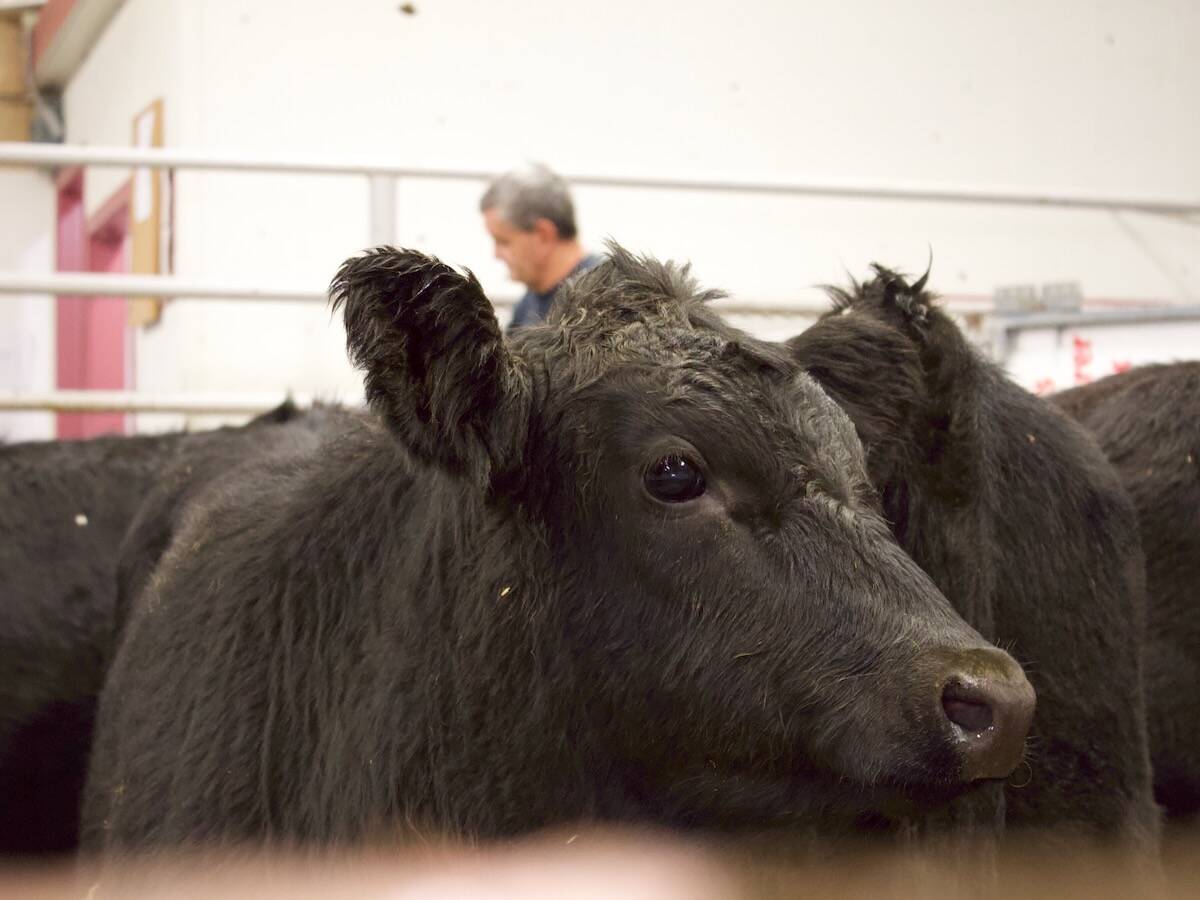
For the week ending March 21, Western Canadian feeder cattle markets traded $10/cwt higher to $10/cwt lower compared to seven…
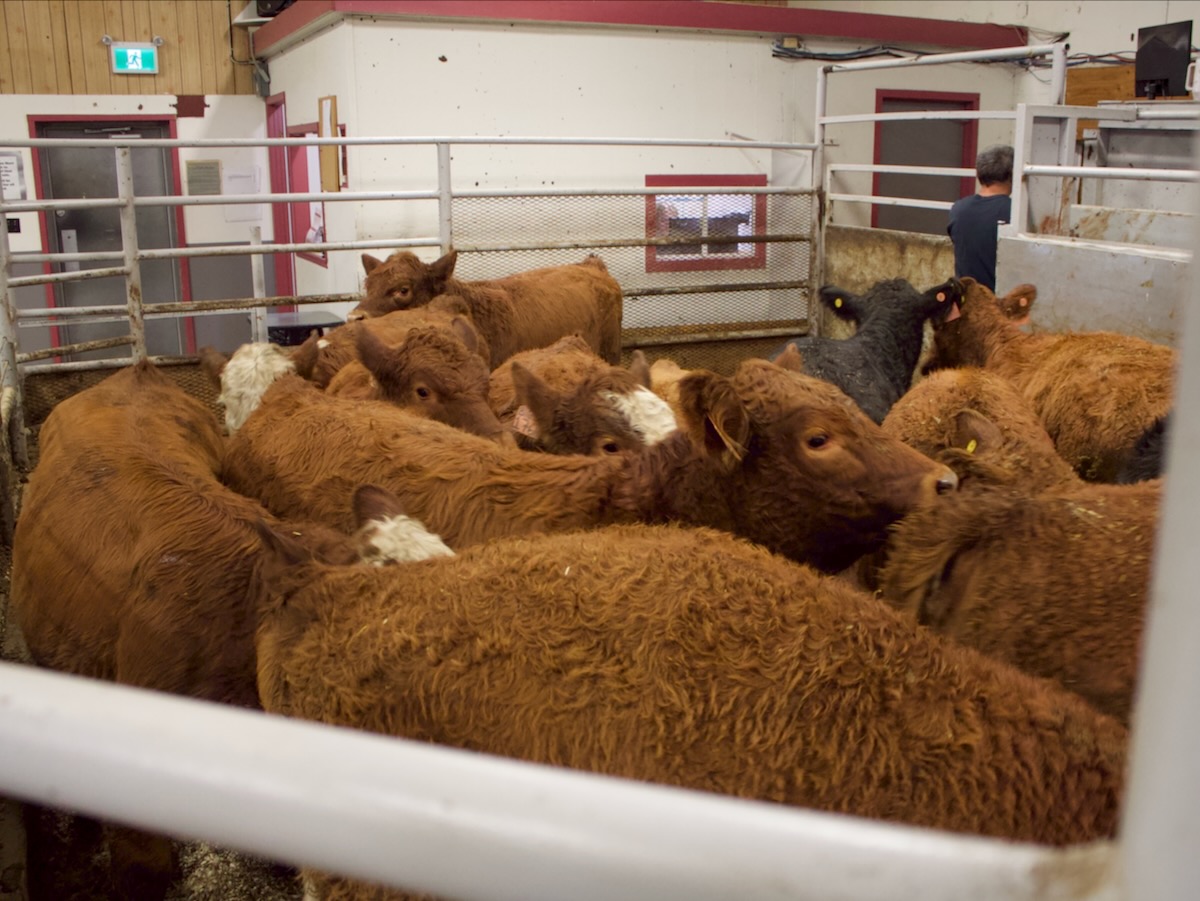
Your weekly table of price ranges for beef cattle from seven Manitoba auction markets during the week ending March 10,…
For the week ending March 7, Western Canadian feeder cattle markets traded $5-$10/cwt lower compared to seven days earlier. The…
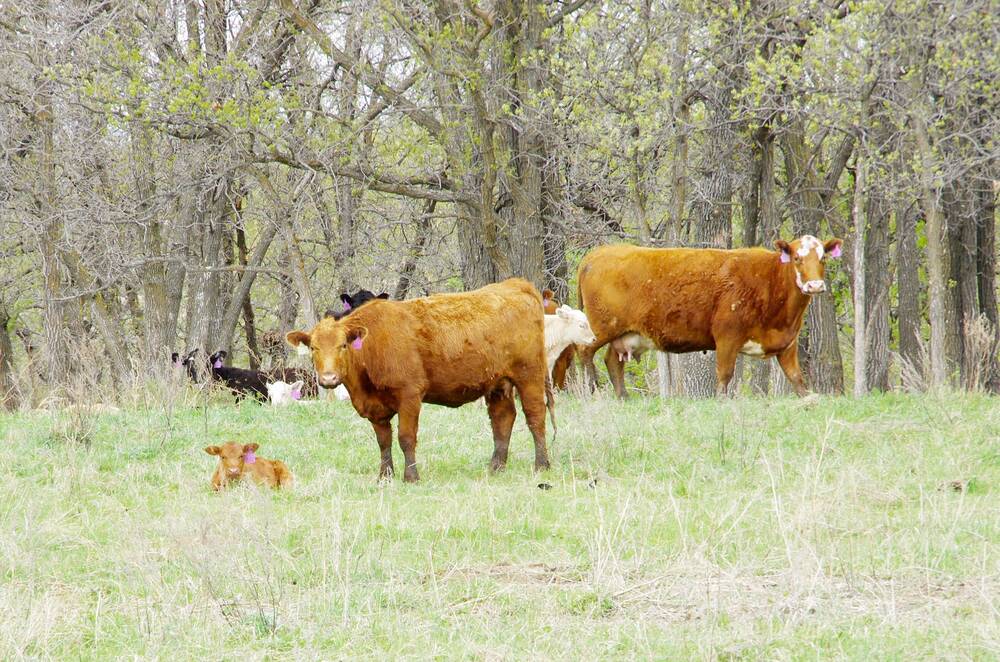
Stay safe this calving season with expert cow handling, exit strategies, and well-being tips to protect your farm's team.

Resolutions at last month’s Manitoba Beef Producers meeting seek help to rein in elk and deer populations, expand fencing supports…
Canada’s beef farmers could sure use more on-label uses approved for toltrazuril, but that means research in an age of…
For the week ending February 28, Western Canadian feeder cattle markets were unchanged from seven days earlier. Calves may have…
Stories from our other publications


Price ranges from seven Manitoba auction markets during the week ending March 24, 2026


Price ranges from seven Manitoba auction markets during the week ending March 10, 2026

Cow-calf farmers, stay alert, have an exit strategy and keep self-care in mind when working with this year's calves

Producers also flag Crown lands uncertainty, trade risk and rising costs despite strong cattle prices

Beef 911: Canada’s beef farmers could sure use more on-label use of toltrazuril, but that would mean more research dollars


Manitoba’s beef cattle producers hear more about the growing uncertainty they face as U.S. tariffs, and shifting trade opportunities, reshape the market