Sao Paulo/Rio de Janeiro | Reuters — Brazil’s agriculture ministry said that two cases reported on Thursday of a neurodegenerative disorder in patients in Rio de Janeiro state were not related to beef consumption, tamping down fears of possible BSE causing human illness.
Federal biomedical institute Fiocruz, which is investigating the possibility of bovine spongiform encephalopathy (BSE) said the two patients are suspected of having the “sporadic” form of Creutzfeldt-Jakob disease not related to beef consumption.
On Sept. 4, Brazil confirmed two cases of what it called “atypical” BSE in animals, triggering a suspension of beef exports to China under a standing bilateral agreement.
Read Also
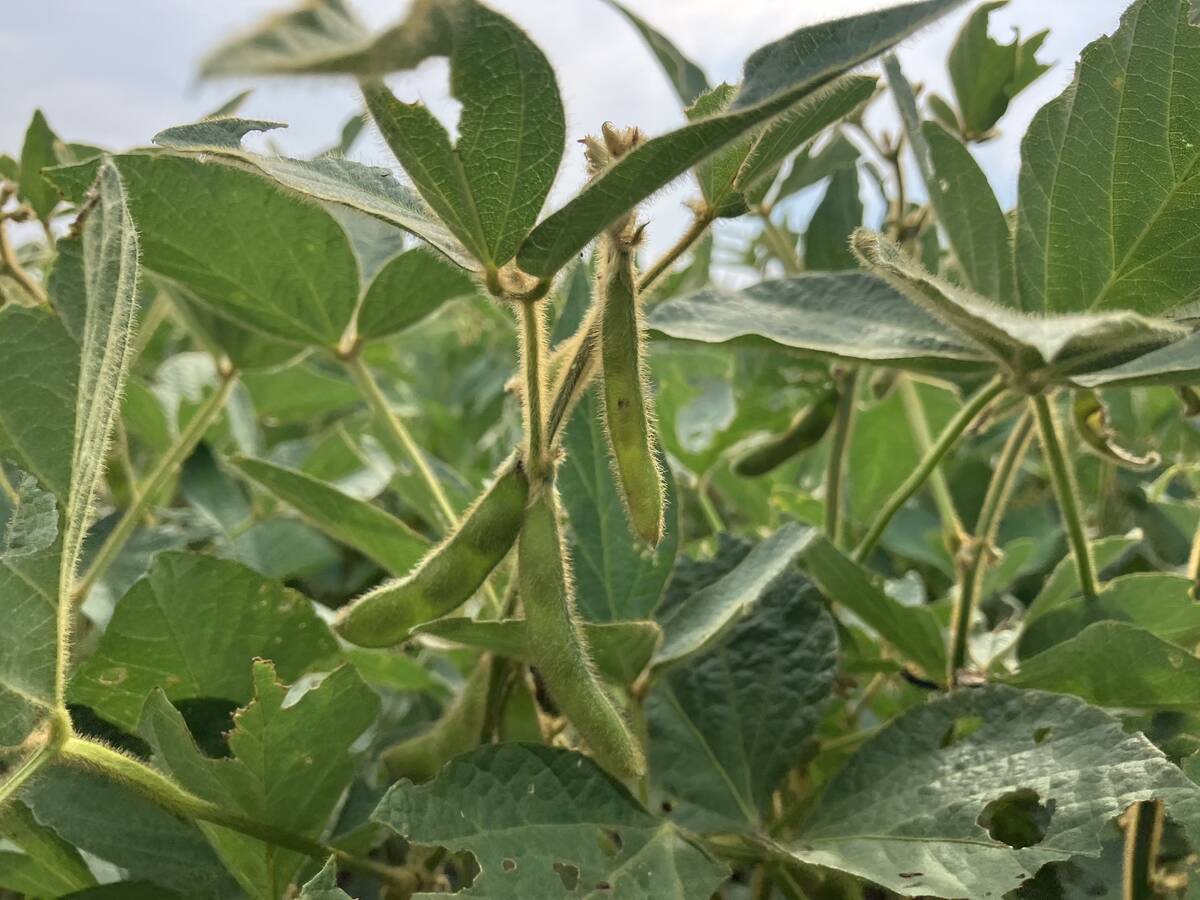
U.S. corn planting seen down, soy acres up as Iran war inflates costs, analysts say
The Iran war has upended the planting intentions of U.S. farmers, resulting in fewer acres of corn and the lowest quantity of spring wheat planted since 1970 as rising fertilizer and fuel costs and low grain prices dim the outlook for profits.
At the time, the agriculture ministry stressed that the two cases identified in meat plants in the states of Mato Grosso and Minas Gerais had generated spontaneously and were not related to contaminated feed, as in ‘classic’ BSE.
On Thursday, the ministry said the two cases of suspected Creutzfeldt-Jakob disease in humans had “no relation with consumption of beef or subproducts contaminated with (BSE).”
Earlier, municipal health authorities in the city of Rio said Fiocruz had flagged two cases of “prion disease,” which can occur spontaneously in elderly patients or by eating contaminated beef in younger populations. Creutzfeldt-Jakob is the most common form of prion disease in humans.
The municipal health authorities said the two cases identified in residents of the Rio suburbs had been referred to state health authorities, without giving the patients’ ages.
Questions about those cases could further delay a Chinese decision on lifting the Brazilian beef ban, which has stranded dozens of shipments, rerouted many others and weighed on beef exports from Latin America’s largest country.
Brazil’s major Brazilian beef exporters, JBS, Minerva and Marfrig Global Foods, did not immediately respond to requests for comment.
— Reporting for Reuters by Nayara Figueiredo in Sao Paulo and Rodrigo Viga Gaier in Rio de Janeiro; writing by Ana Mano.