The University of Manitoba’s faculty of agricultural and food sciences is taking a hands-on approach to new educational levels in 2018.
Both degree and diploma students will have access to introductory and advanced courses highlighting this learning technique this summer as part of a pilot project at the university.
“It’s an ambitious project,” said Craig Fisher, and instructor at the faculty who is co-ordinating the project. “I believe if we lay strong foundations with a really well-planned pilot we’ll be in a good position to expand our offerings in the future.”
Read Also
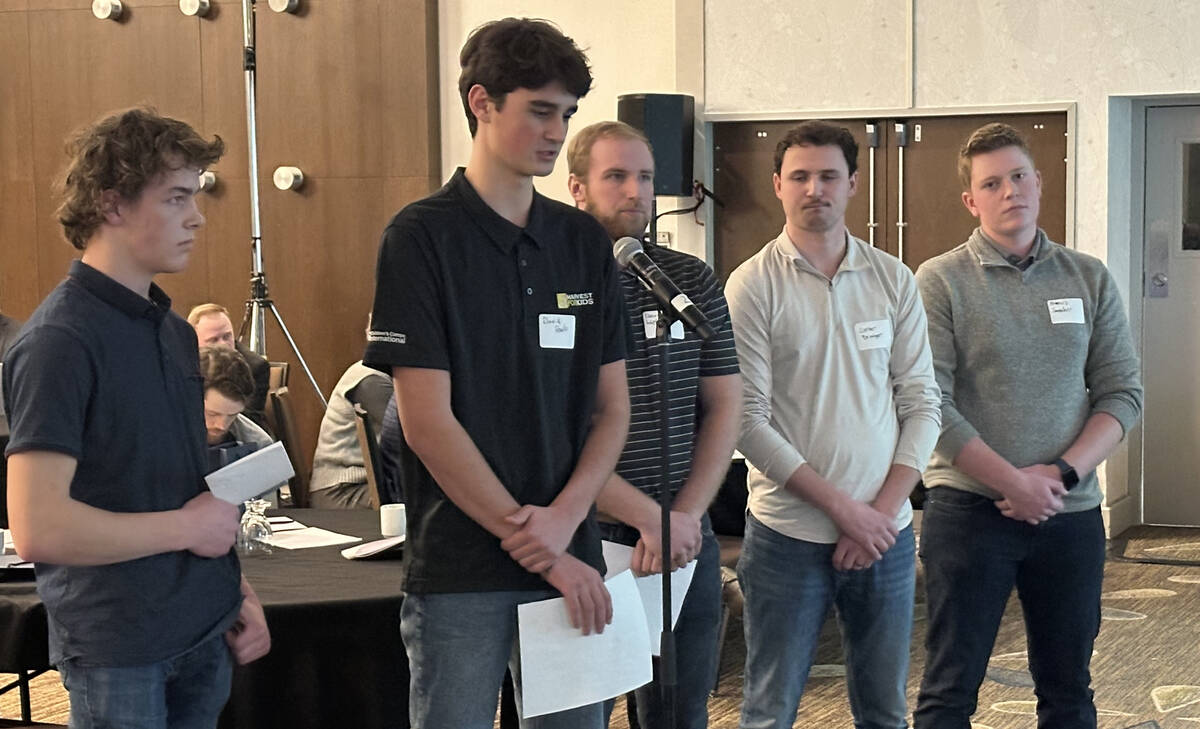
Students push for Manitoba road upgrades
Manitoba’s lack of higher-rated RTAC roads creates irritating highway detours and weight restrictions for farmers, University of Manitoba students told KAP.
The pilot will take place at University of Manitoba’s Glenlea Research Station with students participating in hands-on activities in the swine, poultry, dairy and feed mill facilities. According to Fisher, the courses are developed using methods of instruction where students participate in structured or unstructured activities that are rooted in research into cognition/neurophysiology and how information is actually organized by the human brain. Basically, the premise is you learn more with more hands-on or practical interactions. On the farm, those learnings apply to all experiences, including brand new experiences.
“We are targeting mainly students with limited exposure to Canadian farming practices such as those from urban or rural towns and international students,” said Fisher. “The courses are intended to allow students to become conversant with common agricultural equipment and terminology so they can feel comfortable working with producers and agri-industry representatives.”