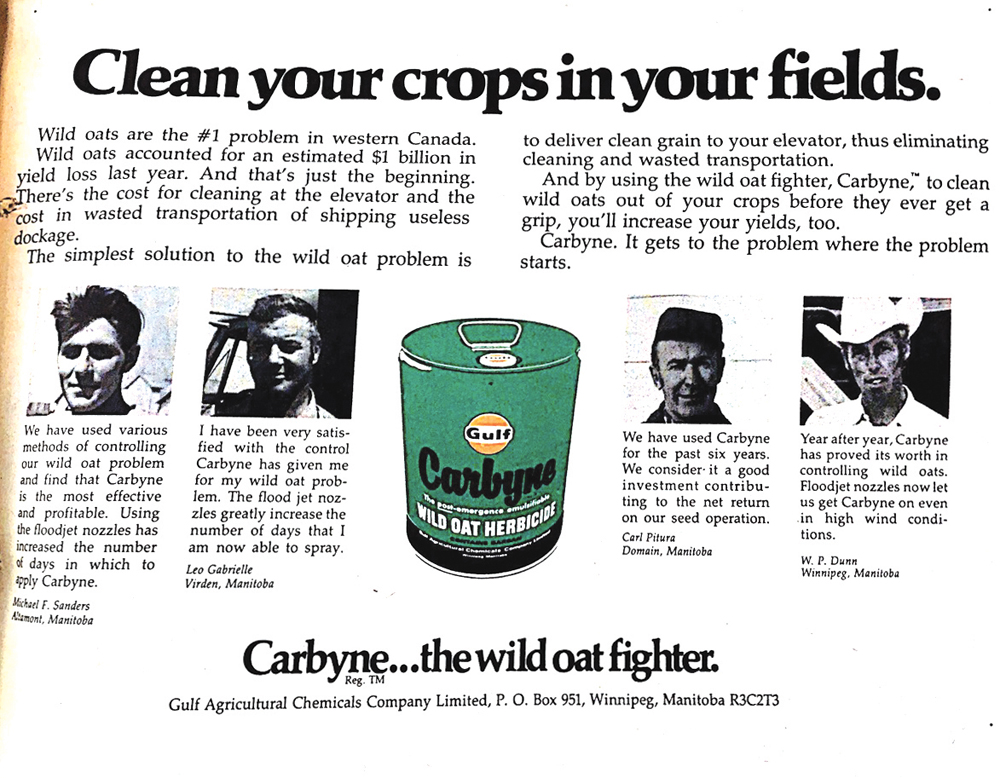
Your wild oat chemical control options in 1974 included Avadex, Treflan, Avenge (barley only), Endaven (wheat), Asulox (flax) and Carbyne, a post-emergent product from Gulf. In our March 7 issue, an article by Elmer Stobbe of the University of Manitoba discussed the “billion-dollar problem” of wild oats on the Prairies, and reviewed the chemical options and the best methods of application or incorporation.
Rapeseed was in the news that month — Tower, a new “double-zero” (in erucic acid and glucosinolate) variety had just been licensed. We reported on the annual meeting of the Rapeseed Association of Canada, where delegates were told that increased production was needed after a decrease the previous year. Higher yields were needed — delegates were told that one grower had managed 60 bushels compared to the average of 20.5. The association called on farmers to shoot for 30 bushels, which was “very realistic” with “proper management and common sense.”
Read Also
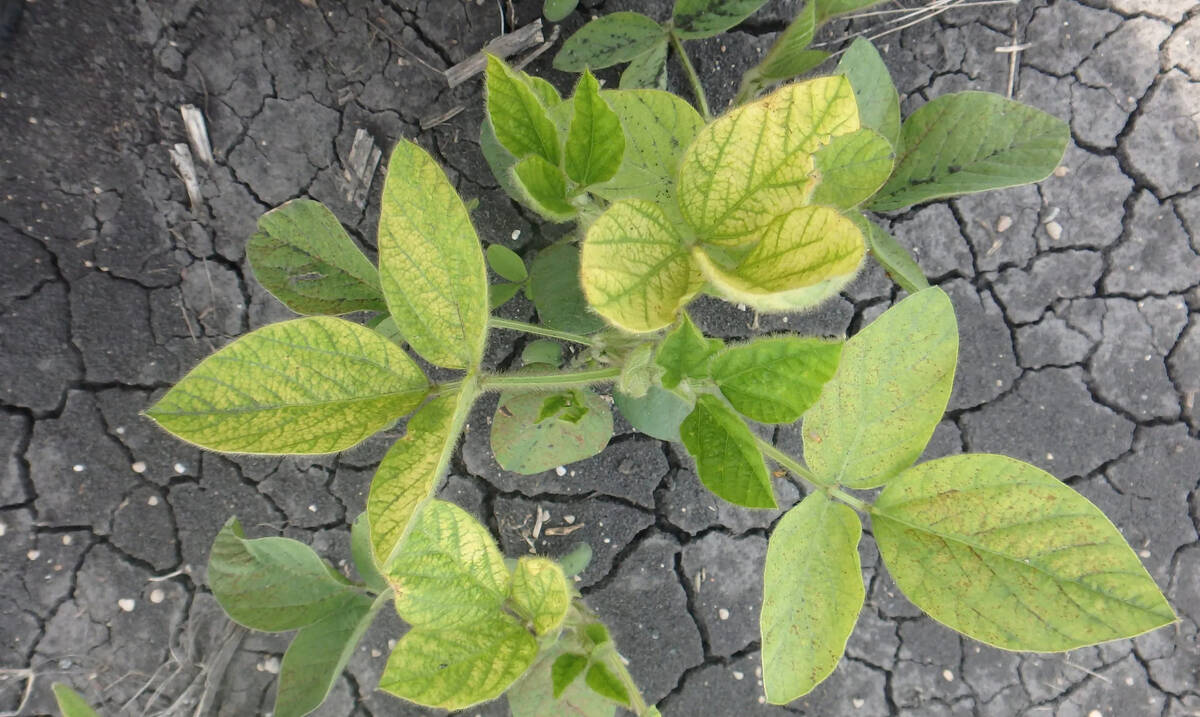
Selecting IDC-tolerant soybeans doesn’t reduce yield, Manitoba study confirms
University of Manitoba research shows soybean varieties selected for iron deficiency chlorosis (IDC) tolerance protect yield in affected areas without reducing performance elsewhere in the field.
In an open letter to growers, Co-op Vegetable Oils at Altona called on them to increase their production of both rapeseed and sunflowers, which was needed to continue the success of the plant and the province’s crop diversification after the cereal glut of the late 1960s.
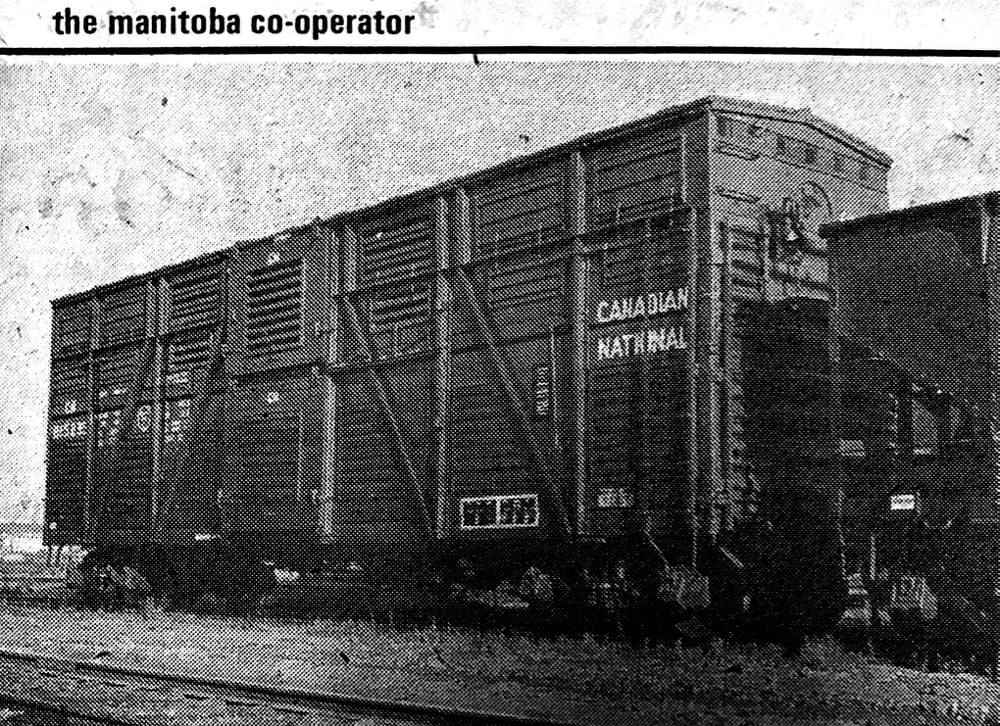
In Ottawa, the Progressive Conservative Opposition raised concerns about a flood of U.S. cattle into Canada. Agriculture Minister Eugene Whelan conceded the situation was “very bad,” with up to 45 per cent of animals on the Toronto market coming from the U.S., and that action would be taken “very soon.”