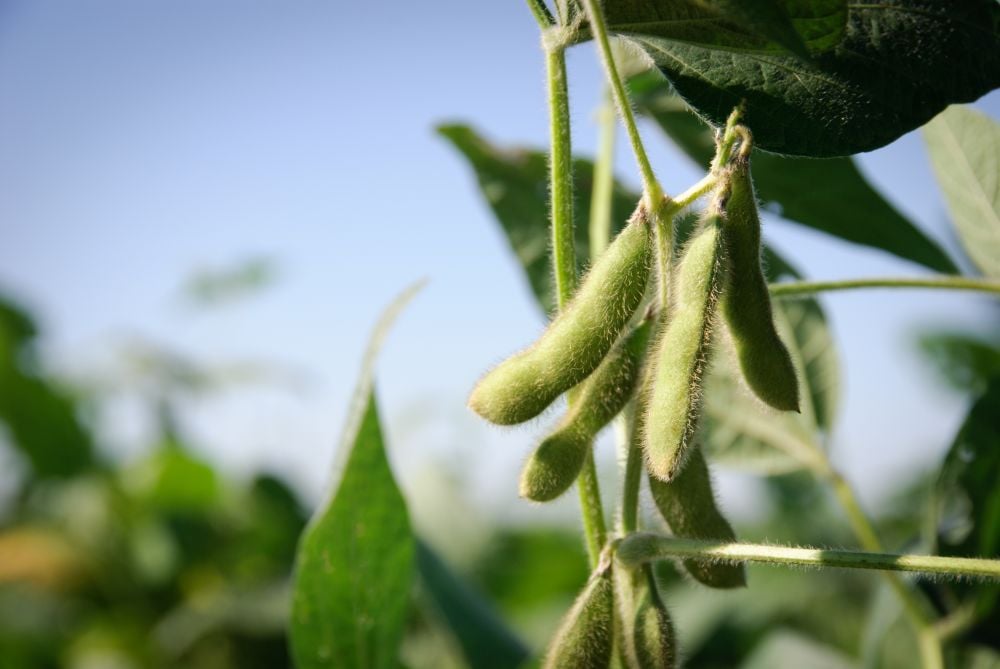


Chicago Board of Trade soybean futures jumped on Monday on a flurry of short covering, with prices rebounding from last week's 2020 lows as traders re-evaluated the U.S. political landscape after U.S. President Joe Biden abandoned his reelection bid on Sunday.
Chicago Board of Trade wheat futures climbed on Friday on short-covering and concerns over weather in wheat-growing areas of the U.S. Plains and globally.
Chicago Board of Trade (CBOT) soybean futures rose on Thursday on bargain buying and signs of renewed export demand after the most-active contract Sv1 fell to a nearly four-year low in early trading, analysts said.
U.S. wheat futures rose 1.6 per cent on Wednesday on bargain buying one day after a drop in prices to four-month lows appeared to spur fresh export business, traders said.
Ken Ball of Ventum Financial Corp. in Winnipeg acknowledged that while dryness and warmer temperatures would be seen as beneficial in rain-drenched fields in Saskatchewan and Manitoba, heat stress on canola crops in Alberta would be aggravated. This has led traders to become a bit more bullish on the oilseed.
Despite a weakened United States dollar on July 17, activity in the grains at the Chicago Board of Trade was choppy, according to broker Ryan Ettner of Allendale Inc. in McHenry, Ill. Added to that, Ettner pointed out the speculative funds resumed accumulating very large short positions in corn and soybeans.
Warmer conditions across Manitoba during the week ended July 16 helped advance crop growth, with recent rainfall leaving most of the province with wet or optimal soil moisture conditions, according to the latest provincial crop report.
Chicago soybean and corn futures firmed on Tuesday after hitting multi-year lows on bargain buying and forecasts for lower harvests in some parts of the world, according to analysts.