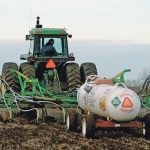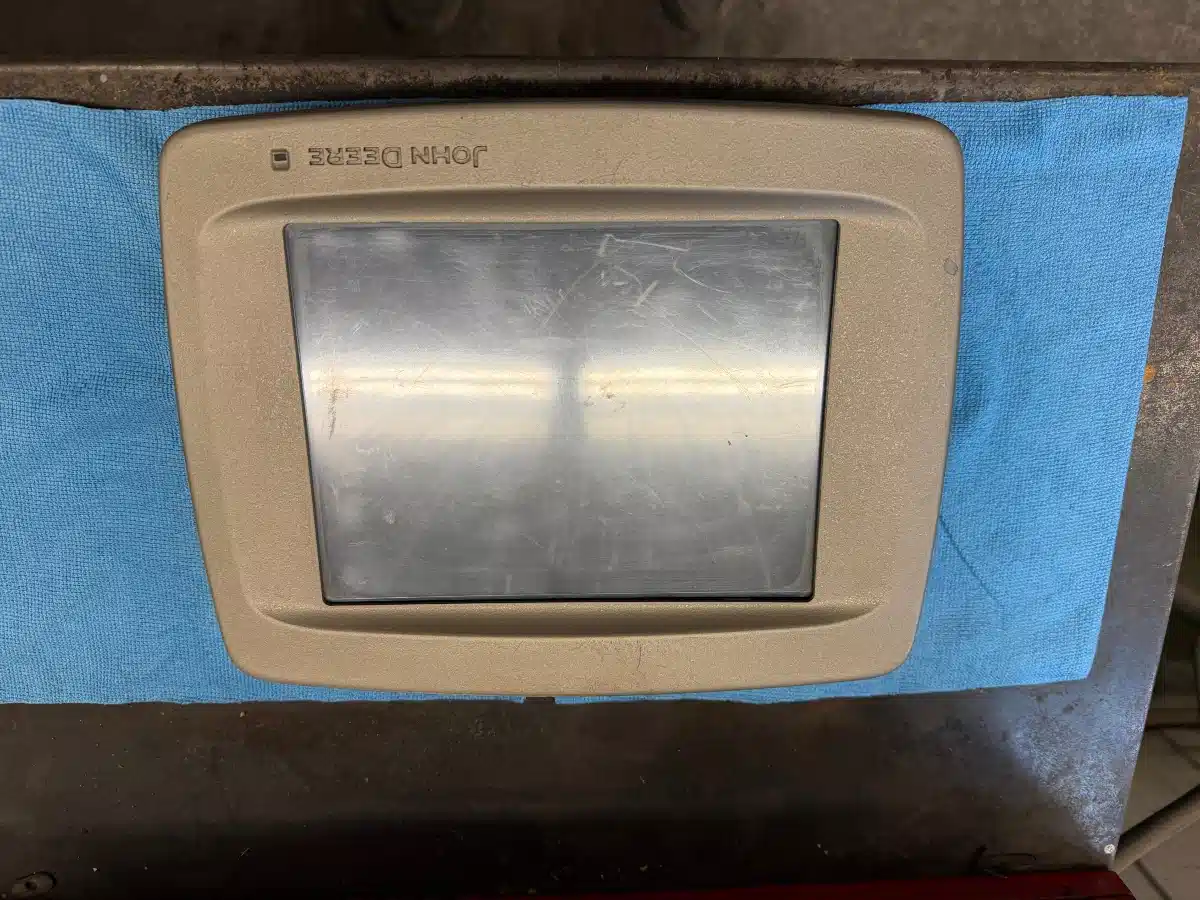
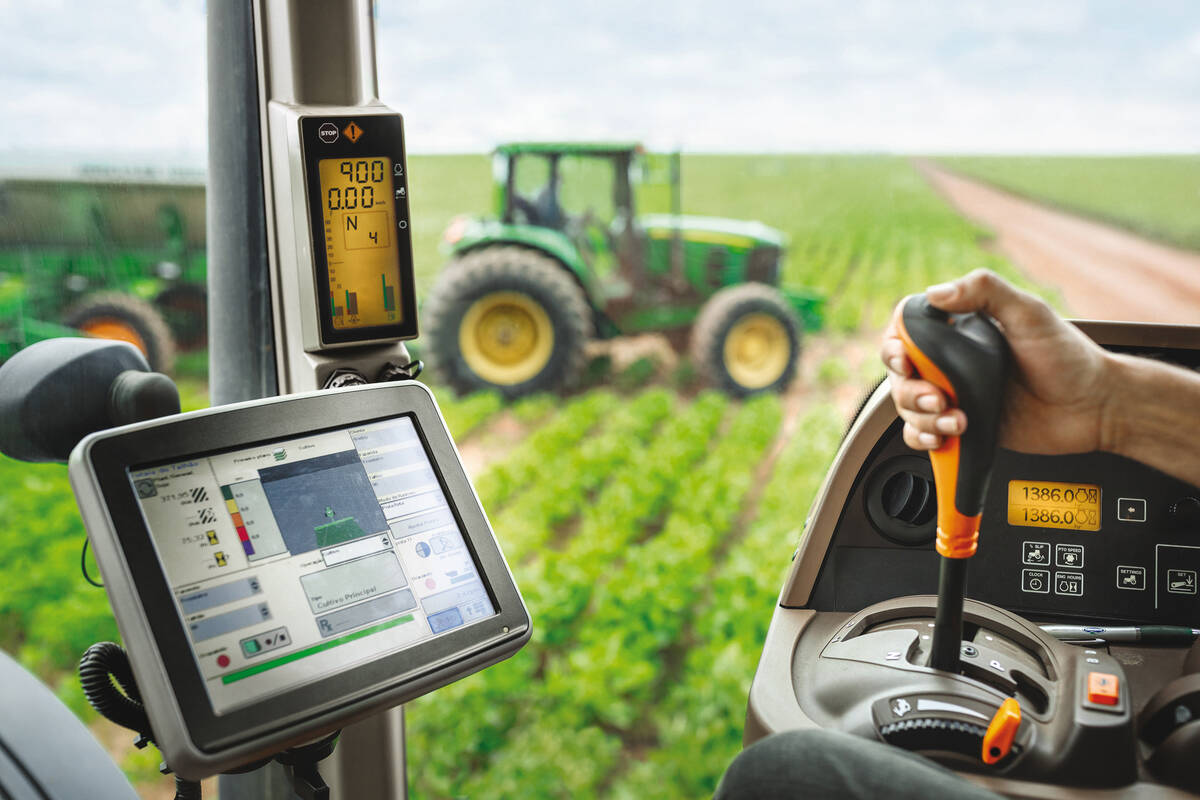
A prescription built in the farm office can now move to a John Deere display without anyone touching a thumb drive.
Until recently, moving a digital prescription from Bayer’s FieldView platform to a John Deere display typically meant downloading files to a USB stick and physically transferring them to the machine. Bayer and John Deere say a new integration between FieldView and John Deere Operations Center eliminates that manual step.
Read Also

Fertilizer prices are spiking — here’s what Manitoba farmers need to know before seeding
Fertilizer prices have jumped nearly 30 per cent since the Iran conflict intensified in late February. Manitoba Agriculture’s Darren Bond says detailed cost-of-production planning is the best way farmers can manage the risk heading into seeding.
WHY IT MATTERS: Direct integration between agronomy software and equipment displays could simplify field execution and reduce setup errors.
The companies announced the upgrade at Commodity Classic in San Antonio last month.
With the new workflow, users create scripts in FieldView, select the relevant files and click “Export to Work Plans.” The jobs then appear in Work Planner within John Deere Operations Center, ready to run on connected equipment — all delivered remotely from one platform to the other.
For Prairie grain producers using both platforms, that means fewer steps between agronomic planning and field execution.
In an emailed statement, Bayer Crop Science said the goal is to simplify job execution and monitoring for customers working across both platforms, while eliminating the need for thumb drives and other manual steps that slow down field activities.
Chris Winkler, vice-president of digital software and solutions at John Deere, said the integration responds directly to customer feedback.
“Our mutual customers want streamlined workflows, not extra steps in the cab,” he said.
In practical terms, that affects both set-up time and accuracy. Removing manual file transfers reduces the chance of loading the wrong prescription, misnaming files or configuring monitors incorrectly — issues that can affect variable-rate seeding, fertility or crop protection passes.
The integration also changes how data flows back to the office.
Once jobs are completed, as-applied information moves back through Operations Center and into FieldView, allowing farmers and advisers to evaluate performance and adjust future prescriptions.
The companies say the capability is the result of feedback from farmers and advisers who wanted platforms to work together more seamlessly.
For Prairie growers, where variable-rate seeding and fertility programs are increasingly common in crops such as canola, wheat and corn, tighter integration between agronomy software and equipment displays could mean less time managing files and more time focusing on in-field decisions.
The capability is currently being introduced to select U.S. customers, with broader availability expected in the coming months. The companies have not yet outlined a timeline for Canadian rollout.