
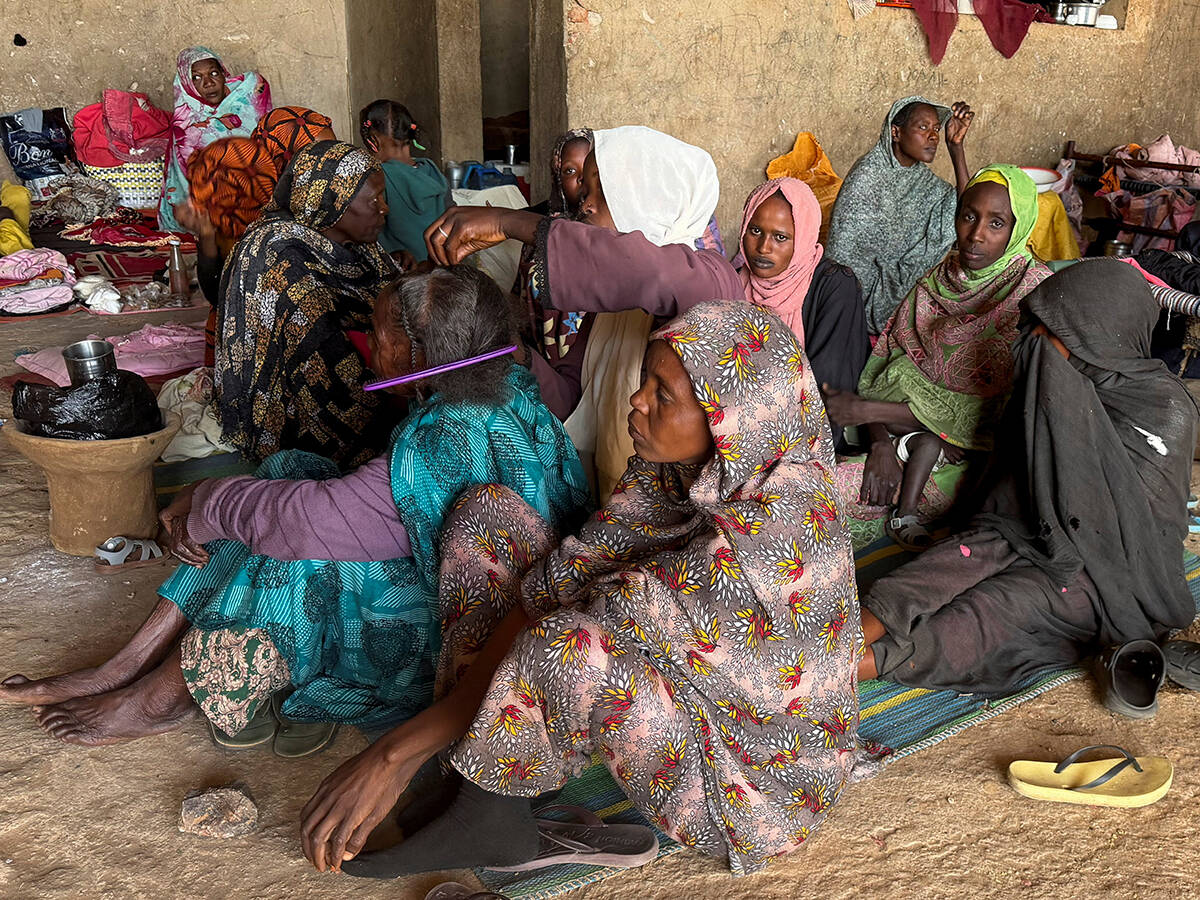
Massive cuts to humanitarian aid programs around the world are having dire consequences, warns the executive director of the Canadian Foodgrains Bank.
“Millions of people will die,” said Andy Harrington.
Read Also

Manitoba farmers want in on strychnine exception
Western Manitoba ranchers say gopher damage rivals conditions in Saskatchewan but province has yet to request a federal strychnine exemption.
Governments are drastically slashing their international development assistance budgets to focus on domestic concerns and military spending.
The United Nations Office for the Coordination of Humanitarian Affairs warns that global funding for humanitarian aid fell by a third in 2025.
“It’s really quite catastrophic,” said Harrington.
WHY IT MATTERS: Millions of people will die.
Harrington said he was standing outside a childhood malnutrition centre in South Sudan earlier this year where there was a lineup of children suffering from hunger.
“We’re not talking, ‘we missed a meal here;’ we’re talking seriously acute malnutrition with consequences for life,” he said.
As he was taking in that disturbing scene, he was informed that the centre would be shutting down in 24 hours with no prior notice.
It was one of 1,100 centres being shuttered in South Sudan alone, all casualties of budget cuts at the United States Agency for International Development (USAID).
The Lancet, a medical journal published in the United Kingdom, estimates that 14 million people will die by 2030 because of the USAID belt-tightening.
But it is not just USAID. The UK, Germany, the European Union and many other governments around the world are also chopping their humanitarian aid budgets.
The Canadian government announced in its 2025 budget that it will be reducing foreign aid spending by $2.7 billion between 2026 and 2030.
Harrington has been told that most of the cuts will be to long-term development programs rather than emergency assistance.
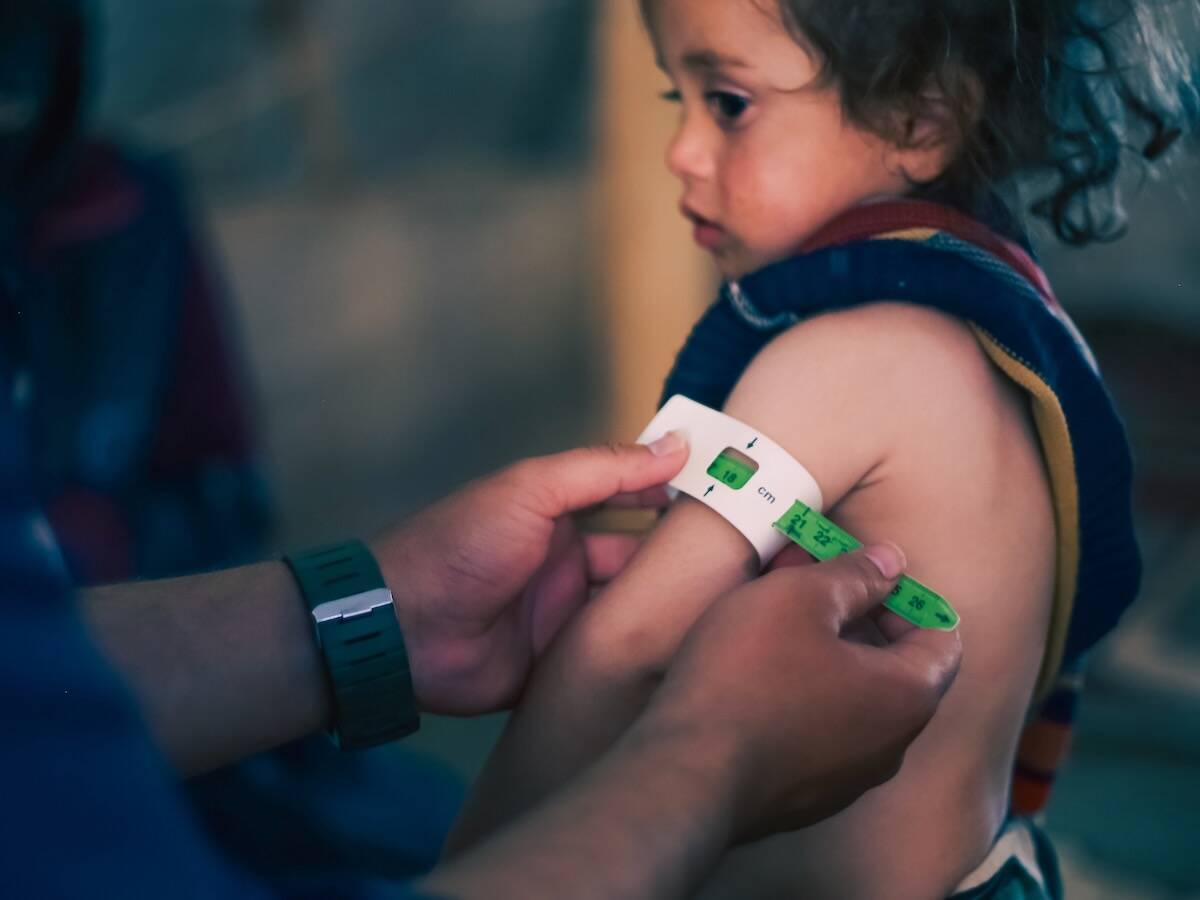
In the meantime, global hunger is spreading at a pace not seen in decades.
“Gaza crossed into famine, following Sudan, where famine started in 2024 and grew in 2025,” he said.
“These are stark reminders of the human cost of inaction, and how quickly hunger can escalate when the world chooses to look away.”
The number of acutely food insecure people nearly tripled to 295 million people in 2024 from 105 million in 2016, according to the Global Report on Food Crises.
“We get lost in the numbers, but these are real human beings,” said Harrington.
“These are mothers and fathers with children that they’re watching starve.”
Harrington fully expects that the number of acutely food insecure people grew in 2025 and will only get worse in 2026 as more funding cuts take effect.
He believes it is not too late for Canada to reverse course and drop the looming cuts to its international aid budget.
“Before we make these cuts, we have to question ourselves as a country and say, ‘who do we want to be?’ ” he said.
“When others are stepping back, we need to be stepping forward and standing with the world.”
Future funding
Harrington understands that Canadians are facing a cost-of-living crisis at home, but he noted that the average inflation rate in the countries where the Canadian Foodgrains Bank works is 45 per cent.
That is a harrowing statistic for a family living on a few dollars per week.
He worries what impact the government cuts will have on his organization, which receives about 40 per cent of its funding from Ottawa and the remainder from private donations.
In the 2024-25 budget year, the organization provided $74.6 million of assistance to 1.18 million people overseas.
He doesn’t anticipate much of a funding reduction for the upcoming fiscal year, but he is concerned about future years as the proposed government cuts take effect.
Harrington said it is going to be hard for organizations such as his to fill the massive gaps that have been created in humanitarian aid programs because they are already overstretched.
He is grateful that private donors appear to be stepping up to help fill the void.
However, if governments don’t reverse course in a few short years, people around the world will be asking themselves, “what have we done?” when they turn on their televisions.
“The pictures are going to be horrific,” said Harrington.
He is confident those disturbing pictures will trigger a wave of public empathy and support.
However, it will be far more costly in terms of both money and human lives to address the horror at that stage rather than preventing it from happening today.
The Canadian Foodgrains Bank is a partnership of 15 churches and church agencies that works with local partners in 37 countries.