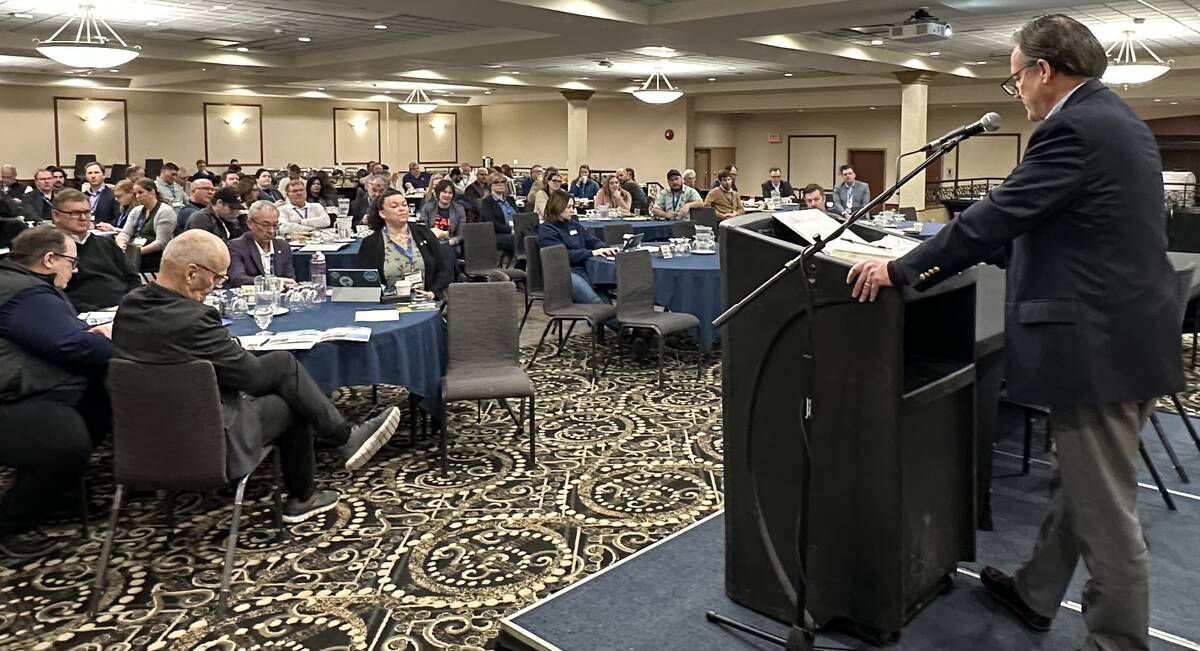
A resolution calling on the canola industry to lobby Ottawa for compensation over losses tied to Chinese tariffs failed in a split vote at the Manitoba Canola Growers Association annual meeting in mid-February.
The motion, moved by former MCGA director Ernie Sirski and seconded by Melvin Rattai, urged MCGA and its national partners to seek federal compensation for damages suffered during the period when China imposed tariffs on Canadian canola.
WHY IT MATTERS: Canada is expecting tariff pressure from China to ease on canola seed and meal as of March 1, but it comes after months of market hardship.
Read Also
PHOTOS: Farming in focus at Royal Manitoba Winter Fair
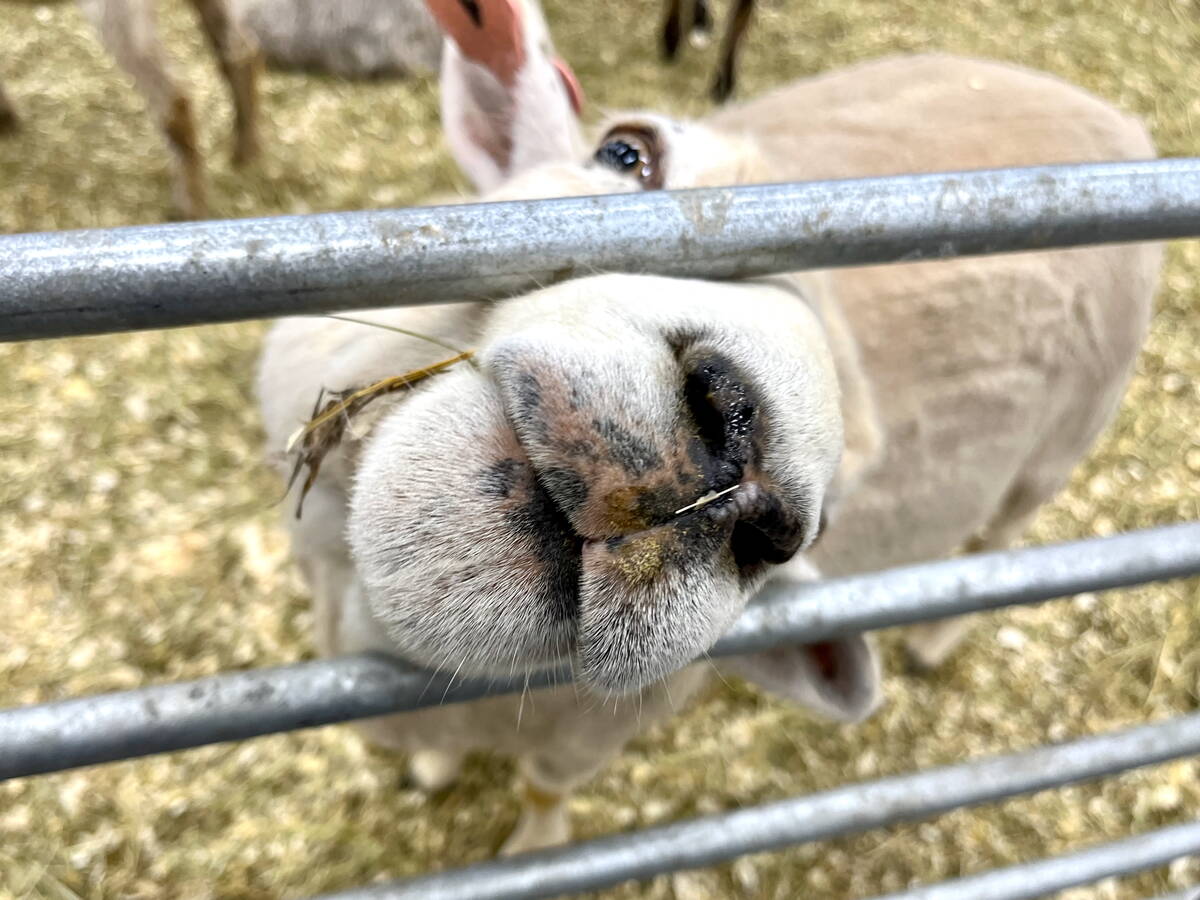
The 2026 Royal Manitoba Winter Fair once again brought farm education, thrilling horse sports and livestock events to Brandon.
Sirski argued that producers bore the financial impact of political trade decisions — tariffs came after Canada put a hard trade line in the sand against Chinese electric vehicles — and said the losses should be acknowledged.
“There was an economic hurt put on canola producers throughout Canada because of these tariffs, full stop,” he told delegates.
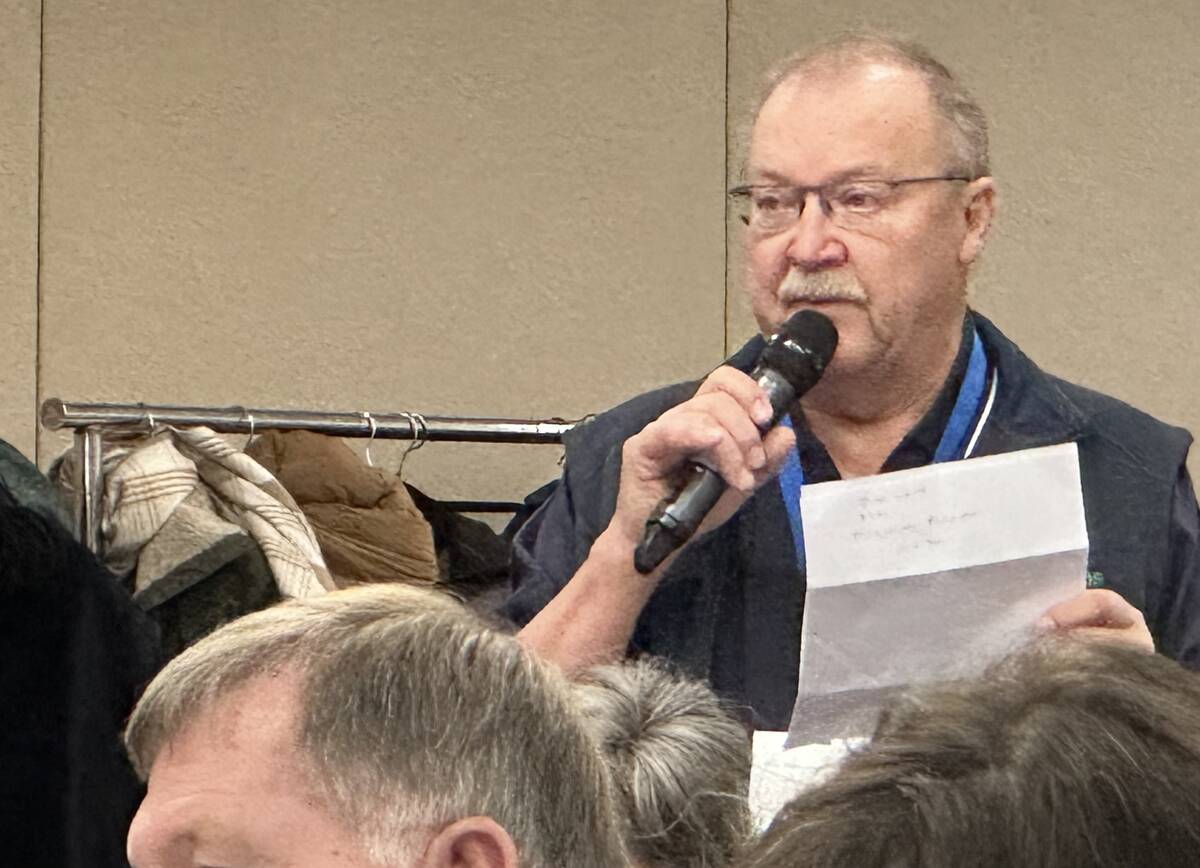
Debate on the floor revealed division among growers.
MCGA board member Chuck Fossay spoke against the resolution, cautioning that pursuing compensation could complicate trade efforts and potentially trigger further retaliation.
“We’ve got to be careful if we start getting the government to provide payments,” Fossay said, warning that subsidies could invite claims of dumping or further trade action.
The vote was counted twice and ended 13 in favour and 13 opposed. With two abstentions and no majority, the motion was defeated.
National efforts
The debate mirrors discussions taking place across the country, as provincial grower groups weigh whether to press Ottawa for direct compensation or focus primarily on restoring and stabilizing trade with China.
Earlier in the meeting, the issue of tariff losses was raised during a question-and-answer session with national industry leaders.
Rick White, president and chief executive officer of the Canadian Canola Growers Association, said the industry had focused first on reopening the Chinese market and cautioned against pushing for compensation at this stage.
“You only have so much political capital,” White said, noting efforts to restore market access had required significant engagement with Ottawa. “To go in there now and politically push and demand compensation at this point in time is a long, long, very long shot.”
Chris Davison, president and chief executive officer of the Canola Council of Canada, echoed that approach, saying the clear direction from growers had been to prioritize reopening the market. He added that work toward a more stable, long-term trade solution continues.
While the resolution did not pass, MCGA chair Warren Ellis said the issue of compensation remains under discussion with federal officials.
“The conversation today around this resolution gives us guidance for how we engage on this issue moving forward,” Ellis said.