
MarketsFarm — Feed prices are set continue grinding lower for the balance of 2023, “as domestic end users are covered,” according to Jim Beusekom, president of Market Place Commodities in Lethbridge.
Beusekom pointed to the amount of contracted corn being imported from the United States as well as better-than-expected yields across the Prairies this harvest.
“The corn trains are coming in and will continue to come in through the winter months,” he said.
Another reason for the price declines Beusekom cited was that feedlots were covered for the time being.
Read Also
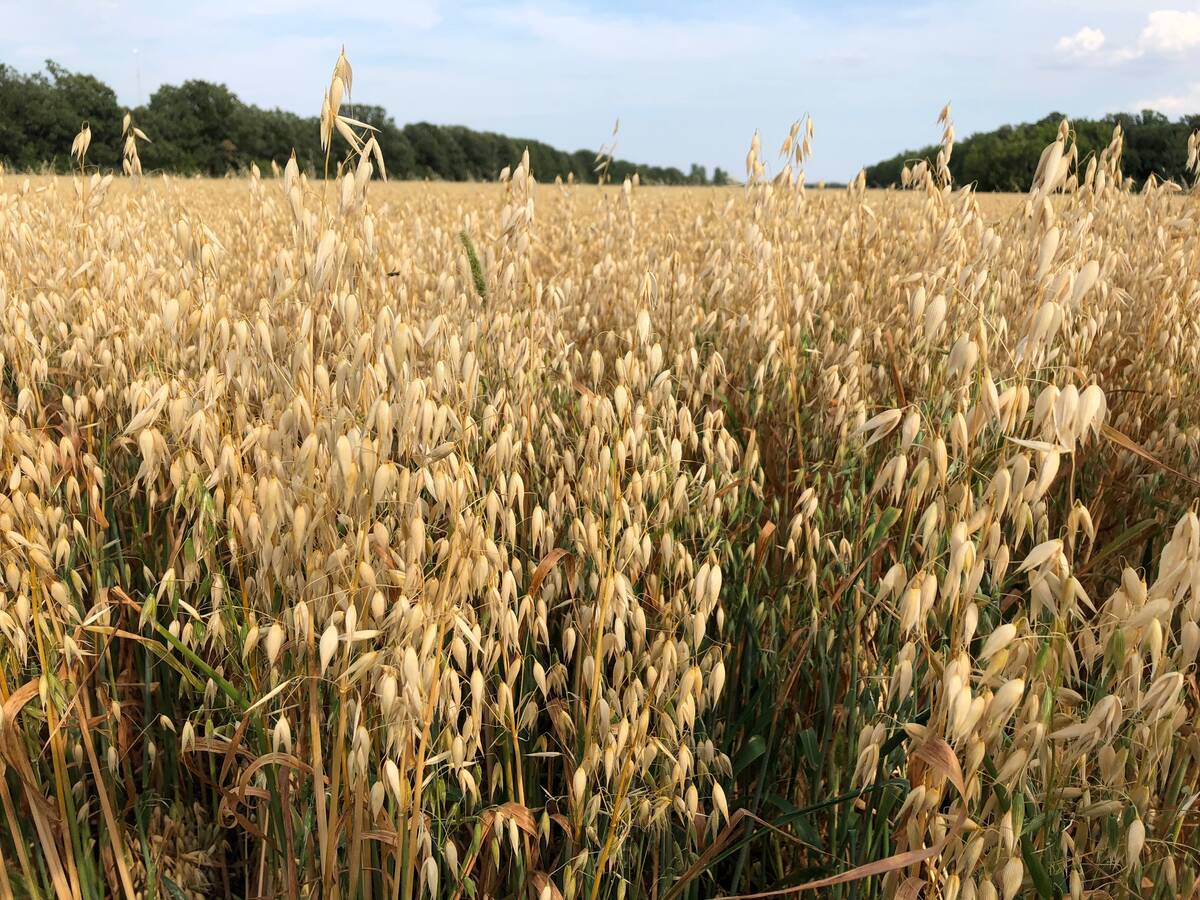
Big oat crop in 2025/26 pointing to less acres next year
Oat acres in Canada are likely to recede this spring with cash prices to remain low, said Scott Shiels, grain procurement manager for Grain Millers Canada in Yorkton, Sask.
“There are more current offers than there are current bids. There just isn’t that many bids right now,” he said.
Beusekom added that feed barley prices at Market Place Commodities were $320-$330 per tonne.
“There just is no room for the November-December markets,” he stated.
Meanwhile, Prairie Ag Hotwire reported feed prices across Western Canada were steady to lower. Over the week ended Wednesday, Saskatchewan feed barley lost 15 cents per bushel at $5.50-$5.75/bu. Those in Alberta and Manitoba were unchanged at $5.53-$7.66 and $6-$6.01/bu. respectively.
Feed wheat also was steady to lower, with Alberta incurring a 14-cent/bu. loss at $7.96-$9.66. Prices in Manitoba and Saskatchewan remained at $8.10 and $8-$8.88/bu. respectively.
— Glen Hallick reports for MarketsFarm from Winnipeg.