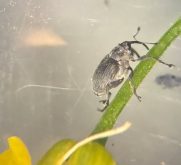

Pulse and alfalfa growers will have another arrow in their quiver to battle aphids this summer.
Ag-chemical company FMC has announced that its flonicamid-based insecticide, Carbine, has the stamp of approval from Canadian regulators and will reach the market in 2023.
The Group 29 product “disrupts the potassium channels in the pests’ nervous system,” interfering with the insect’s mouthparts and restricting them from feeding, said a Dec. 13 FMC release.
Read Also

Manitoba, Ottawa sign deal to fast-track Port of Churchill expansion approvals
Manitoba and Ottawa have signed a regulatory streamlining agreement that names the Port of Churchill expansion as a priority infrastructure project.
The product is targeted for use in alfalfa, lentils, field peas and other pulse crops.
As of Dec. 20, Health Canada’s database showed the product as registered, although no label had been uploaded.
Why it matters: The selective insecticide has been pitched as an alternative to broad-spectrum products that kill beneficial insects along with pests.
The addition to Canada’s pest control landscape could be part of integrated pest management programs. The company says the chemical’s activity is specific enough to control aphids, while having “minimal” impact on beneficial insects like pollinators.
The product controls immature and adult aphids, according to FMC Canada. It says Carbine’s residual window will prevent recolonization.
“We are committed to bringing unique, sustainable products to growers as they face significant yield-robbing pests,” said FMC Canada insecticide product manager Frances Boddy, in the release.
Carbine has a one-week pre-harvest window when application is restricted, but can otherwise be used any time in the growing season. FMC Canada urged producers to scout often once crops start to flower and to take economic thresholds into account before using the product.
Aphid fight 2022
Field peas, soybeans and small grains all had aphid problems in the past growing season, according to a summary from Manitoba Agriculture.
Pea fields in central, southwest and northwest Manitoba were sprayed for pea aphids, in some cases mixed with fungicide. Soybeans also saw economically damaging levels of aphid in August, with the Interlake, central and eastern regions reporting control measures.
Provincial entomologist John Gavloski noted a number of broad-spectrum insecticide passes were needed to control the pests, but “in some fields high levels of natural enemies were noted, particularly evidence of parasitism.”
“Having more selective insecticide options is welcome, as a fundamental component of integrated pest management is preserving natural enemies of crop feeding pests. This gives farmers and agronomists the option of controlling aphids that surpasses economic thresholds and doing minimal harm to the natural enemies that are feeding on or parasitizing multiple crop feeding insects.”

Registration
Isk Biosciences Corp. successfully registered Carbine with the Pest Management Regulatory Agency as of Nov. 30. FMC is licensed to market the insecticide, which is trademarked under the Ohio-based agro-chemical firm’s parent company, Ishihara Sangyo Kaisha Ltd. of Japan.
It is the second flonicamid-based insecticide registered by the company. In December 2010, Isk Biosciences Corp. received approval for Beleaf, registered for control of aphids and, in some crops, tarnished plant bugs, other lygus bugs and thrips in horticultural crops, as well as flax, alfalfa, other forage legumes and field legume crops except soybeans. FMC’s insecticide portfolio also includes Beleaf.
The company said Carbine will also reduce lygus bug and tarnished plant bug populations.