
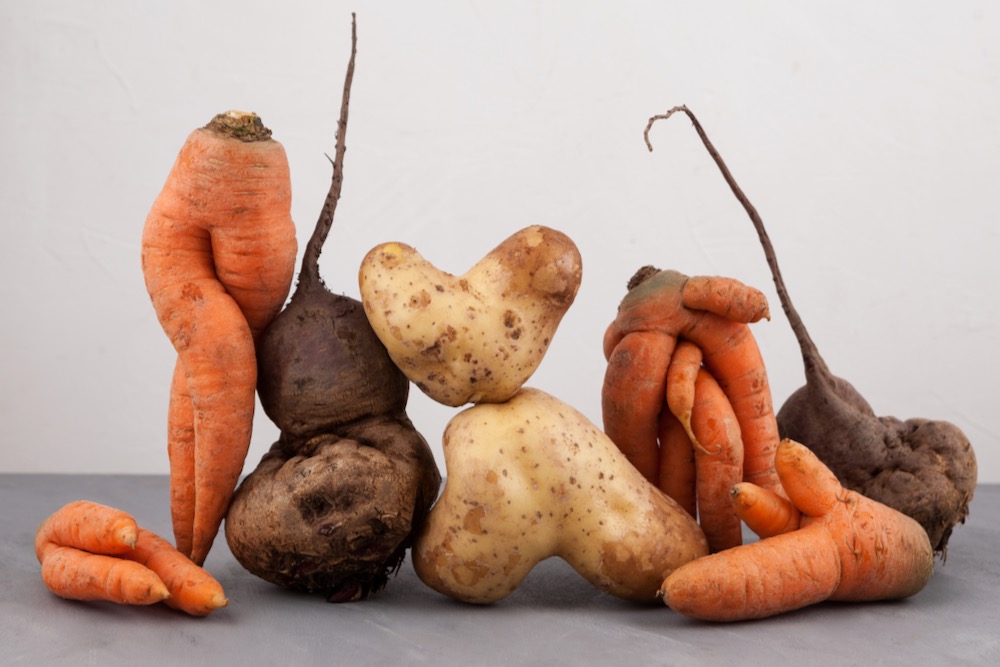
Peak of the Market has no interest in feeding Canada’s food waste problem, especially when food insecurity is so high.
Pamela Kolochuk, CEO of the vegetable marketer, said the company has an internal policy where no food goes in the garbage. Instead, Peak of the Market has developed a network of charitable avenues to use up unsold produce, and alternative endpoints for produce no longer fit for human consumption.
“We’re donating product that doesn’t meet retail specs,” she said. “There’s nothing wrong with it, other than it’s ugly or it’s misshapen. Unfortunately, the food industry in Canada is very pretentious. Consumers are very pretentious. Everything has to be perfect.
Read Also
Neutral conditions drive 2026 weather as La Niña subsides
U.S. government meteorologist expects there will be neutral ENSO conditions for the 2026 farm growing season.
“If you grow a garden, most of the potatoes you grow in your garden would never (be accepted for) retail shelves,” she added.
The policy means that millions of tonnes of product every year go to organizations such as Second Harvest, a food recovery network that diverts produce from the landfill. The network sources excess food from distributors, producers, hotels, restaurants and grocers, and redistributes it through local charities and non-profits working with Second Harvest.
The organization’s website states that 53 million pounds of food worth $185 million has been redistributed through its programs.
The need
Demand at Harvest Manitoba, which supports 360 food banks across the province, is at an all-time high due to double-digit food inflation and other financial stresses, the organization has said. Its most recent survey results found that demand at Harvest Manitoba food banks had approximately doubled since 2019.
Earlier this year, Food Banks Canada also reported that visits to food banks nationwide had sharply risen. As of March, visits were up 15 per cent from the previous year.
While food banks are running flat out, numbers released in 2019 by Second Harvest suggest that 58 per cent of the food produced in Canada at that time never made it into consumers’ stomachs.
That report, based on a year-long research project with Value Chain Management International, found about 32 per cent of the waste was avoidable. That amounted to about 11.2 million tonnes of food, 56.5 million tonnes of equivalent carbon emissions and a cost just under $50 billion annually.
“That annual cost of FWL [food waste and loss] in Canada equals three per cent of Canada’s 2016 GDP and could feed every person living in Canada for almost five months,” Second Harvest said.
A different end
Produce that can’t be eaten by humans still doesn’t go in the trash, Kolochuk noted.
Part of the company’s no-garbage policy includes partnerships with local farmers, who take the otherwise unwanted food for use by livestock.
Last winter, after one of the worst droughts in history, a number of livestock producers sought alternative feeds such as vegetables.