Canada’s first agri-food sustainability index is halfway through its test drive.
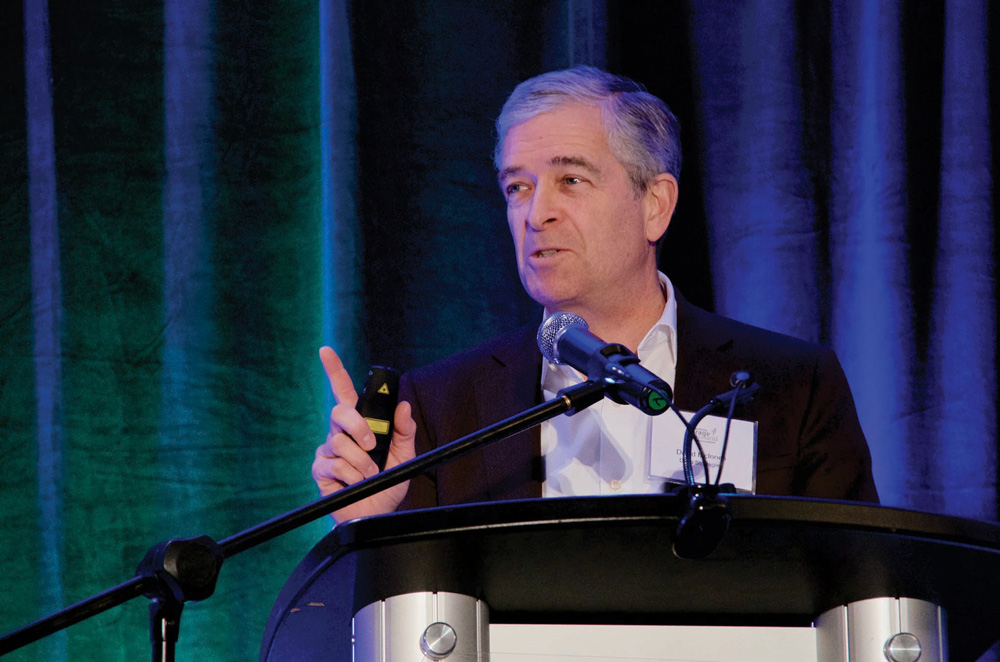
David McInnes, co-ordinator of the National Index on Agri-Food Performance, says the project’s pilot launched in June and is expected to run until April 2023.
“We want to know what the data says. We want to know, from the data that we can get ahold of, how to represent sustainability across the sector,” he said.
Read Also
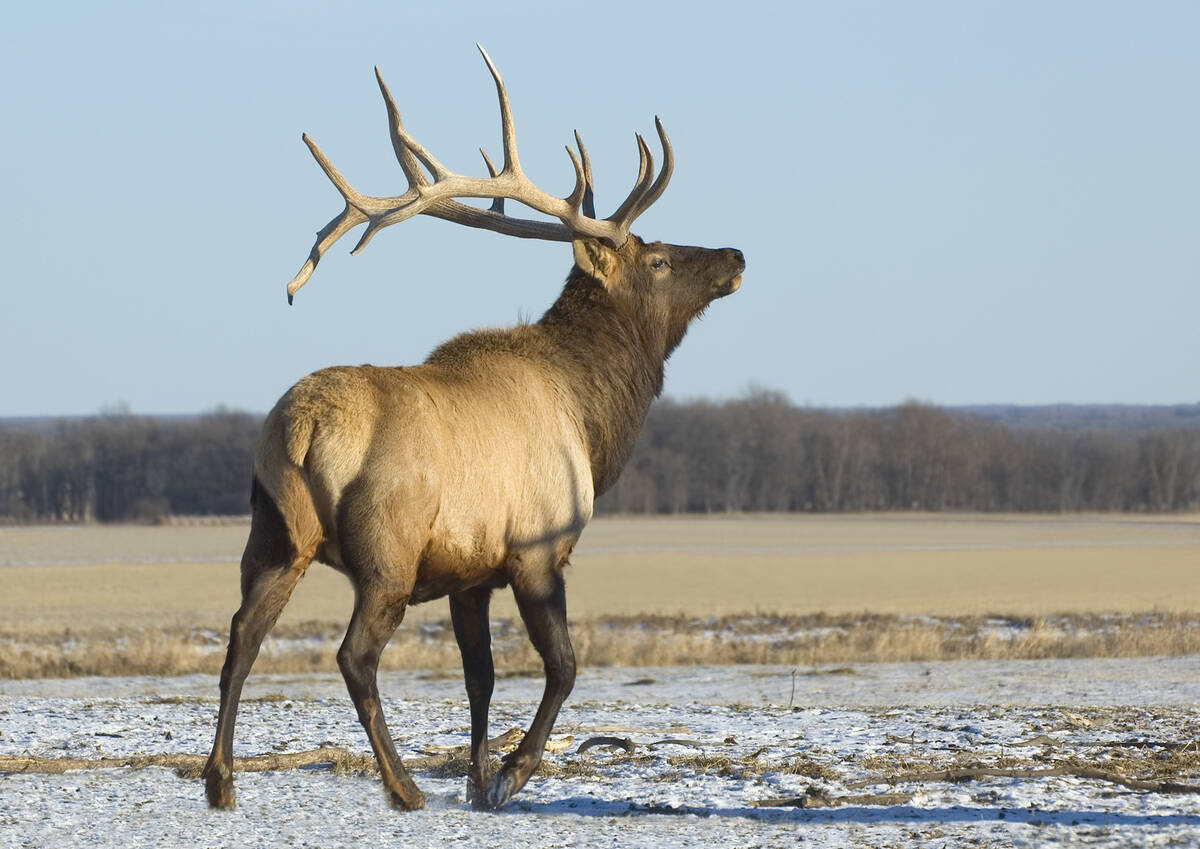
Manitoba Beef Producers take aim at elk surge, feed losses from wildlife
Resolutions at last month’s Manitoba Beef Producers meeting seek help to rein in elk and deer populations, expand fencing supports and improve compensation for wildlife damage.
A total of 112 partners have signed onto the project, including Keystone Agricultural Producers, agro-chemical companies BASF, Nutrien and Corteva Agriscience, retailers, industry roundtables and national and provincial agriculture departments.
The index spans measures from water stewardship, soil health and greenhouse gas emissions to nutrition, safe food, financial viability and sustainability, work conditions and animal care. Indicators are separated into four equally weighted pillars: economic, societal well-being, food integrity and environment.
The pilot is expected to help developers “better grasp the limitations of the available data and methodologies and see how the index aligns with existing metrics in practice, as well as how the index is best used and improved,” the project’s website states.
“Once we get the data, once we feel it’s properly supported, that the methodology is right, we want to answer the question around how do we know that Canada’s agri-food sector is sustainable? And we want to offer a commentary on it,” McInnes said.
[RELATED] Farmtario: New professorship to lead teaching and research in sustainable cropping
The coalition behind the index hopes the result will be a substantiated and internationally accepted gauge for Canada’s agriculture and agri-food sectors, which have repeatedly characterized themselves as world leaders in sustainable and safe food production.
The index is meant to be a domestically based number that McInnes said will be specific to Canada’s context and food system.
“There’s going to be differences in how countries represent their data and the priorities that they measure against,” he said. “It’s something that everyone’s trying to figure out and hopefully we can advance a consensus around what we need to measure and make sure that’s aligned as much as possible with global goals and expectations.”
The coalition put its index in front of “reputable” third parties on the world stage and gathered feedback to improve it and foster international credibility, said McInnes.
If Canada does not measure itself, it will soon be measured without any say in methods, indicators or how sustainability is defined, he added.
Some of that is already in play. A food sustainability index from Economist Impact puts Canada 36th in a list of 78 countries on sustainable agriculture. Yale University’s environmental performance index ranks Canada 49th of 180 countries, based on indicators ranging from biodiversity, pesticide use, nitrogen management, tree, wetland and grassland loss and climate policy to human health.
The agriculture portion of that measure, which includes only nitrogen and pesticide use data, would put Canada 64th on the Yale list.
McInnes said a better understanding of water risk and carbon sequestration is needed.
“This is why we’re doing a pilot. Let’s get it going.… Let’s get as many data points as we can to align with the indicators that we’ve outlined, but we know there’s many indicators or sub-indicators that simply don’t have the data, or the data is in existence but it might not be suitable data. It might not be national in scope. It might not be aggregated. The time series might not be adequate for us.”
The index will be updated as more information becomes available.
Members of the coalition said they hope to secure funding next year for benchmarking to manage and evolve the index.