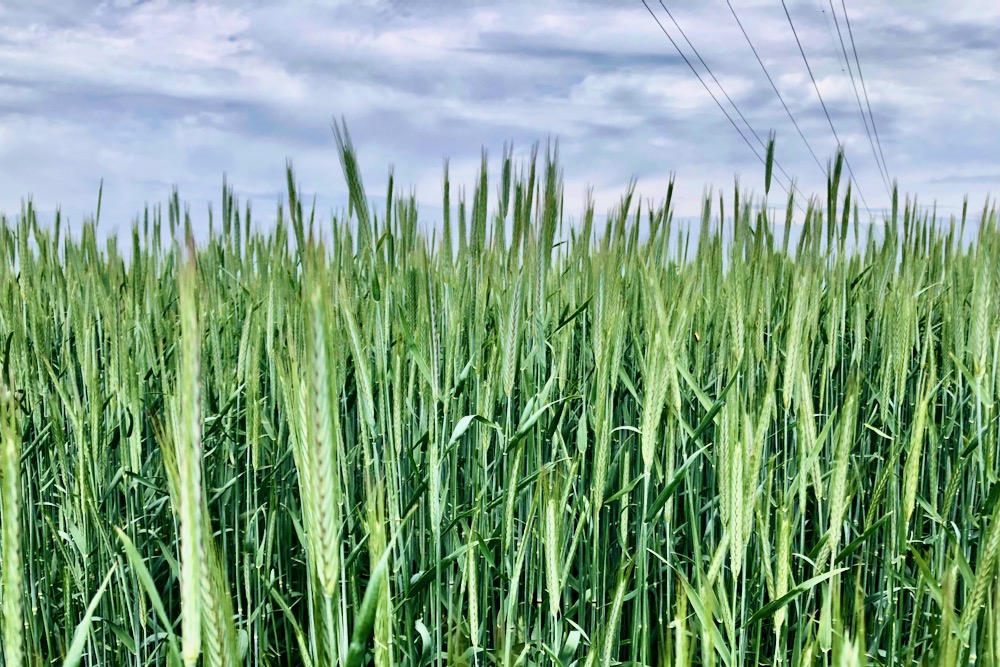
Despite getting off to a later-than-normal start, early harvest results show reasonable grade and yield in the province’s cereal fields.
“I would say the quality in general, how it’s looking in the field, is good,” says Anne Kirk, Manitoba Agriculture’s cereal specialist.
Roughly half of the winter cereals (winter wheat and fall rye) have been harvested to date across the province, with higher levels in the central and eastern regions.
“In general, yields are pretty average for both crops,” says Kirk. Yields for fall rye are reported at 45 to 110 bu./acre, averaging between 75 and 90. For winter wheat, yield reports are between 30 to 75 bu./acre, averaging in the 60 bu./acre range.
Read Also
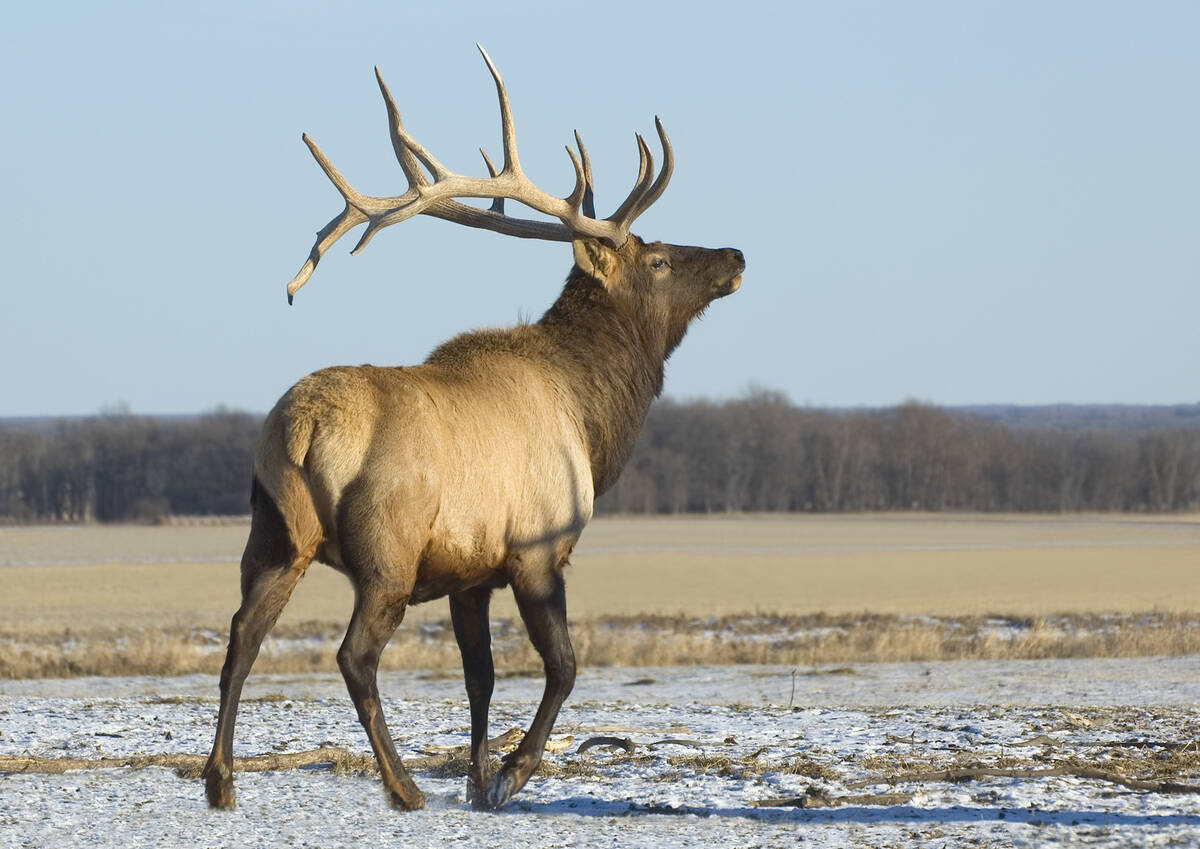
Manitoba Beef Producers targets elk surge, wildlife losses in resolutions
Resolutions at last month’s Manitoba Beef Producers meeting seek help to rein in elk and deer populations, expand fencing supports and improve compensation for wildlife damage.
Kirk says falling numbers are good for fall rye that was harvested before last week’s rain, and the effect of that rain on subsequent harvested grain remains to be seen.
There are higher levels of ergot in fall rye, says Kirk. Ergot is likely traceable to the cool, damp weather of late spring.
“Conditions that allow the flowers to be open longer allow more chance of [the spores] getting into the developing seeds,” Kirk says. Ergot can significantly impact grade.
For spring cereal grains, less than one per cent of seeded acres have been harvested.
“We’ve seen some spring wheat, barley, and some oats harvested in the central region,” Kirk says. Normally the harvest would be further along by this time but late seeding led to later maturity.
“What we are seeing from what has been harvested so far is good quality,” she says.
Spring wheat is drying down and kernel development had reached hard dough in most locations as of Aug. 25. Most of it is rated good to excellent. Only the Interlake has reported poor ratings due to earlier exceptionally wet conditions.
In terms of diseases, Kirk notes fusarium has made an appearance.
“We are definitely seeing some higher levels of fusarium-damaged kernels in some parts of the province, but generally low DON,” she says.
Early harvest indications in eastern and central regions show CWRS (Canada Western Red Spring) wheat protein ranging from 12.5 to 14.3 per cent, with good falling numbers.