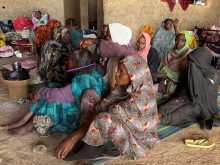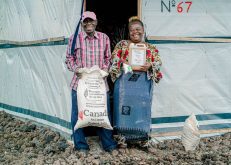
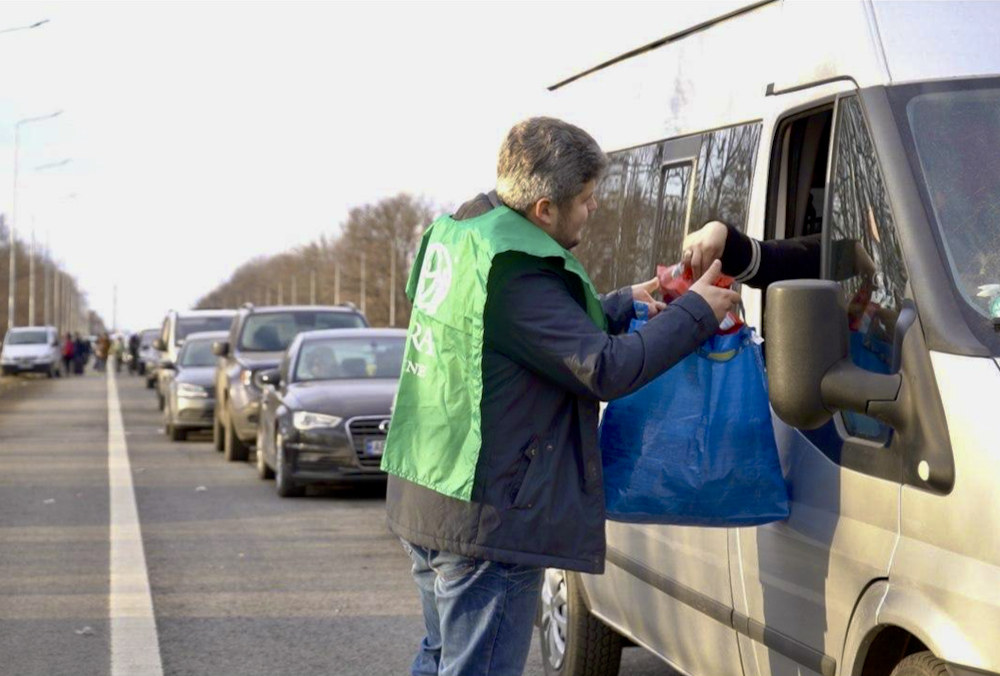
Food, shelter, transportation and personal supplies are priority for Canadian Foodgrains Bank partner groups on the ground in Ukraine and surrounding countries.
“We’re working with local agencies and supporting them. So providing them with resources so they can provide those supports within the country,” said Musu Taylor-Lewis, director of resources and public engagement.
Partner groups including ADRA (Adventist Development and Relief Agency) and the Canadian Baptist Mission are working in Ukraine and in surrounding countries including Slovakia, Poland, Romania, Germany and the Czech Republic said Taylor-Lewis.
Read Also
Canada’s farm safety net wasn’t built for this kind of drought
Canada’s business risk management programs were designed as a safety net for one-time shocks. Experts say multi-year droughts are exposing a structural gap — and the fix requires a fundamental shift from paying for losses to preventing them.
As of March 11, as many as 2.3-million Ukrainians had fled the country as the Russian military offensive continues said Taylor-Lewis.
Some are calling it one of the fastest out-migrations since the Second World War, she added.
Church networks in Slovakia are working to aid some 70,000 refugees. Taylor-Lewis said one church in Poland is hosting 400 refugees.
Besides meals and places to stay, relief groups may also give out cash or vouchers so people can purchase food themselves.
Taylor-Lewis said Foodgrains Bank supporters have shown their concern for Ukraine and want to show that Canada cares. Together with partner organizations, they have raised over $500,000.
She invited supporters to visit together.ca – the website of the Humanitarian Coalition, of which the Foodgrains Bank is a member – to donate.
She also asked Foodgrains Bank supporters—largely made up of church groups—to pray.
“We want protection, we want peace… from violence, from the political ramifications of what’s going on. We ask for courage for those people who are in the situation right now, and a reduction in the casualties,” Taylor-Lewis said.
The conflict illustrates one reason why hunger is rising in the world, she added.
“Conflict is one of the main reasons that hunger is rising in the world, and Ukraine represents a stark example of how that happens,” said Taylor-Lewis.
In times of war, people lose homes and livelihood, she said. They’re forced to flee to countries where they have no roots and can’t re-establish them quickly.
The war has disrupted the entire food system in Ukraine, which will also affect surrounding countries, she said.
“When conflict goes on from months or years, the situation deteriorates even further,” the Foodgrains Bank says in a paper on conflict and hunger. “Social networks break down. Farming is no longer safe. Crops in the field and stored grain become a target for fighting.”
Between 2018 and 2020, the countries with the largest number of people experiencing crisis levels of hunger were the conflict-affected countries of Yemen, Afghanistan and the Democratic Republic of the Congo, the paper says.