Soil health and cover crops were the focus of a western Manitoba farm tour in 2019.

Soil health survey keys in on farmer voice

The Soil Health Network says their new survey is meant to keep farmers in the driver’s seat when it comes to adopting on-farm practices

The Soil Health Network says their new survey is meant to keep farmers in the driver’s seat when it comes to adopting on-farm practices.


A grain cart and combine at work on a soybean field in Manitoba’s Pembina Valley region.

Supersized grain carts a weighty problem for soil compaction

Larger grain carts and combines make for a more efficient harvest, but they also come with soil health implications if the extra weight causes soil compaction

Grain carts can still cause serious soil compaction whether they’re on tracks or wheels, but tracks may impact crop yield less in poor field conditions.

Organic farmers do not soil test as much as conventional farmers do, but it’s important to understand the nutrient levels in all soils used for crop production.

Organic farms need soil testing too

Organic farmers should take a lesson from conventional farming when it comes to testing for soil nutrients and benchmarking fields frequently: University of Manitoba researcher

Organic farmers should take a lesson from conventional farming when it comes to testing for soil nutrients and benchmarking fields frequently: University of Manitoba researcher


Kyle Heggie spreads compost on a field. Heggie hopes to instead place pellets made from compost inside the seed row.

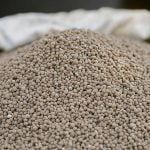
Compost pellets ready for fertilizer trying ground

After years of trials, Saskatchewan farmer Kyle Heggie is ready to take his compost pellets to the field rows in the hopes that they boost crop nutrition

Kyle Heggie has been spreading a unique blend of compost on his crops for years, and has also used on-farm trials to test the practicality of mid-row banding compost “pellets” into the seed row next to the seed.

Photo: Getty Images.

Cropland threatened by toxic metals: study

Up to 17 per cent of agricultural land at risk

Up to 17 per cent of cropland around the globe is contaminated by toxic metals, threatening agriculture and human health in the affected areas, according to new research published in the journal Science.


Van Eerd says cover crops can improve soil health and resiliency.

Cover crops can pad the pocket in the long run

Healthy soil and cover crops can reduce nitrogen fertilizer use, says Ontario soil scientist

If you want to make your soils healthier, the best place to start is usually with cover crops. Not only can they boost your soil’s biological activity, they can also improve your bottom line, says one University of Guelph soil expert.

Speakers Gabe Brown (right) and Don Campbell take the stage during a holistic management conference in Assiniboia, Sask.

Past lessons have a role for farming futures

Old ideas shouldn’t necessarily be discounted when looking at the future of Canadian agriculture

Highlights from a holistic management conference show that old ideas shouldn’t necessarily be discounted when looking at the future of Canadian agriculture.


Hilly fields like those the Prairie pothole region are at particular risk for developing eroded knolls.

Save your yield on eroded knolls

Erosion often steals yield from hilltops and knolls in the field: Here are some ways to get it back

Erosion often steals yield from hilltops and knolls in the field: Here are some ways to get it back