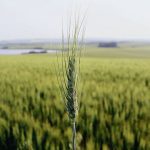
(Stephen Ausmus photo courtesy ARS/USDA)

Regulatory reviews show slim risk to bees from imidacloprid

Label directions and rules for foliar and on-seed use of imidacloprid pesticides should either prevent or limit the risks to honeybees and other pollinators from the chemical, Canadian and U.S. regulators say in a new early-stage risk assessment. Health Canada’s Pest Management Regulatory Agency (PMRA) and the U.S. Environmental Protection Agency (EPA) on Wednesday released

Treated corn seed. (Syngenta.com)

Quebec heading toward neonic limits on crops

The Quebec government is preparing consultations ahead of a wide legislative swath through the province’s pesticide sector, to limit farmers’ use of neonicotinoid insecticide seed treatments and certain other pesticides. Environment Minister David Heurtel on Sunday released the province’s pesticide strategy for 2015 to 2018, mapping out the Couillard government’s plans in those years to


honey bee pollinating a flower

Health Canada continues to assess neonic herbicides

There is debate over how much damage would be incurred by corn and soybean producers if neonics are banned

Health Canada is seeking more information from farmers and technical experts before it completes its assessment of neonicotinoid pesticides. A TV network received a leaked version of the report, which environmental groups said proved neonic pesticides should be banned. In an emailed response, the department said the draft report, which has been shared with agriculture

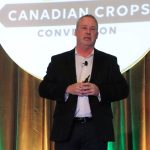
Grain Farmers of Ontario chair Mark Brock speaks with media Friday on the front lawn of MPP Deb Matthews’ riding office in London, Ont. (Ralph Pearce photo)

Pearce: GFO goes informative rather than inflammatory

It’s not that farmers in Ontario aren’t frustrated and angry concerning legislation aimed at curbing the use of neonicotinoid seed treatments. They are. However, during a protest Friday in front of Ontario Deputy Premier Deb Matthews’ riding office in London, executives with the Grain Farmers of Ontario and roughly 35 farmers took a more proactive