(File photo)

India further restricts yellow pea imports

India has restricted yellow pea imports until the end of June, according to an official statement from the Indian government. In a release to be published Wednesday in the Gazette of India, the Indian government restricted yellow pea imports from April 1 to June 30. In that time only one lakh tonne (100,000 tonnes) of


(Cia.gov)

Pulse weekly outlook: Monsoon outlook bearish for Canadian crop

CNS Canada — India is forecasting an average monsoon rainfall this year, making the chance of India importing Canadian pulse crops slim. “Given the tariff scheme and the protectionist attitudes India has displayed this year, I think it will take a major weather influence to hurry up the correction to (imports),” said Marlene Boersch, managing


(File photo)

India hikes chickpea duty again

CNS Canada — The Indian government has raised its import tariff for chickpeas for a second time, this time from 40 per cent to 60 per cent. The government said Thursday in the Gazette of India its tariff is to be imposed immediately, due to circumstances which make it necessary to take immediate action. Reuters


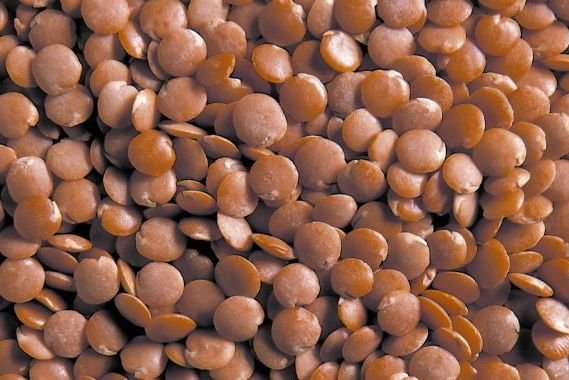
Red lentils. (Photo courtesy U.S. Dry Pea and Lentil Council)

India to double state purchases of oilseeds, pulses

New Delhi | Reuters — India’s cabinet approved on Wednesday doubling state purchases of oilseeds and pulses from farmers, in a bid to boost local output and prevent distressed sales. The amount that state agencies guarantee to buy at pre-set prices will double to 190 billion rupees (C$3.7 billion) for a five-year period ending in

Opinion: Pulses and the future of food

Opinion: Pulses and the future of food

India’s decision to impose tariffs to support its farmers is creating dangerous uncertainty

The rest of the world is realizing what the pulse industry has known for decades: pulses are the future of food. Consumers and governments around the world now look to pulses as an important part of action plans to improve the global food system and address nutritional and environmental challenges. Increasing pulse consumption is critical