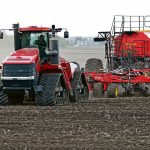
The annual Keep It Clean product advisory identifies products that could create market access issues.

Keep It Clean urges caution on grains

Annual product advisory helps farmers maintain market access

It’s nearly impossible for farmers to stay on top of the varied regulations set by various countries where their grain may be destined. Fortunately, Canadian farmers have an easy-to-follow tool to help them navigate these murky waters. “What we produce here in Canada far exceeds our domestic demand, so we need to rely on our export markets to continue


Letters: Herbicide options for corn-soy intercrop

Letters: Herbicide options for corn-soy intercrop

On Feb. 14, the Co-operator published an article titled “Corn-soybean intercrop put to grazing test.” On our farm, Catt Corn, we produce conventional non-hybrid corn for seed and have been producing, processing and selling this seed for over 15 years. This seed is designated for grazing and silage purposes and we have seen the benefits


EU member states will be told to pay particular attention to the protection of animals such as voles or wildflowers in risk analyses.

EU extends glyphosate authorization

European farmers will be able to use the herbicide for at least another decade, but it’s not without conditions

Reuters – The European Union has authorized the use of glyphosate for 10 more years, but there will be new conditions, the EU Commission announced Nov. 16. The current period of authorization was set to expire in mid-December. New restrictions will include measures to protect animals and plants that are not the actual target of glyphosate use. The


(FMC Corp. video screengrab via YouTube)

Ag chem maker FMC looks to sell non-core assets

Reuters — Crop protection products maker FMC Corp. has launched a strategic review of its non-core assets, including a potential sale of its non-crop business. A slowdown in demand for herbicide and pesticides as well as excess inventories had resulted in large destocking in South America, denting the U.S.-based company’s earnings for much of the

Dirk Vandenhirtz, CEO and founder, left, and Darrell Bailey, North American business development lead with Crop.zone.  Photo: John Greig

Agritechnica update: Give a big shock to weeds

Farmers are being pushed to find an alternative to desiccants to burn down crops, as companies are increasingly leery of herbicides approved close to harvest. People have been shocking weeds with electricity for 100 years, but the return on the electricity invested and the technology required to do so safely haven’t always worked. Crop.zone is


Kochia is among the weeds that should be on farmers’ radar this fall.

Early harvest opens options for fall weed control

Spraying tips to use once the combine is parked

[UPDATED: Oct. 11, 2023] An early harvest gives farmers the opportunity to get ahead of weeds for next season, says Manitoba Agriculture weed specialist Kim Brown. Weeds have had ample time to grow after harvest, making them prime targets for herbicide. Why it matters: As harvest winds down, attention turns to field preparation for 2024.

 photo: faye fossay/
istock/getty images

For cattle producers, the time to attack Canada thistle is now

A herbicide application after a hard frost can hit the noxious weed where it lives

Of all the weeds beef producers should focus on, Canada thistle is high on the list. Livestock avoid the prickly plant and it’s estimated to cost Canadian ag and forestry $7.5 billion in lost revenue annually. Fall control on pasture might be one of the most effective tools in stopping growth of the weed, said one industry