

Letters – for May. 19, 2011

This letter is in response to Carl Classen’s letter of May 5, 2011, wherein he states: “I strongly object to the efforts of the Manitoba Canola Growers to put canola under the Canadian Wheat Board.” Nothing could be further from the truth. MCGA directors were very clear in media interviews (as well as in the
Environment Threatens Human-Animal Relationship, Scientist Says

People may have to change the way they work with animals if they want the world to have a sustainable future, a recent conference at the University of Manitoba was told. The historical relationship between human beings and domesticated animals, which has lasted for ages, may now be too environmentally burdensome to cont inue, an


World Needs Modern Agricultural Technology

CropLife International executive director Denise Dewar promotes pesticides and genetically modified crops from her Washington, D.C. office, but as a young, idealistic student, she dreamed of saving the world from pesticides. “At that time I was being influenced by the environmentalists’ very negative anti-pesticides environment,” she told the Canada Grains Council’s annual meeting in Winnipeg

WEBs II Funding Announced

The impact farming has on water quality and ways to mitigate it will continue to be studied in Manitoba thanks to $1.8 million in new funding under the federal government’s Watershed Evaluation of Beneficial Management Practices (WEBs) project. “The WEBs program is really about efficiency,” Les McEwan, president of the Deerwood Soil and Water Management


New Diets For Cows, Sheep Could Cut Emissions

New diets for cows and sheep could reduce their greenhouse gas emissions, research funded by the British government’s Department for Environment, Food and Rural Affairs (Defra) shows. Feeding the animals maize silage, naked oats and higher-sugar grasses could reduce the amount of methane they produce, the study by Reading University and the Institute of Biological,

Researchers Peg GHG Value Of Wetlands

Farmers who switch to zero tillage may brag about sequestering climate-altering carbon in their soil. But if they also drain a few swamps on their land, they’re just spewing hot air – or rather, greenhouse gases. That’s called “leakage” in the carbon credit market: the taking on of one agricultural practice to offset greenhouse gas


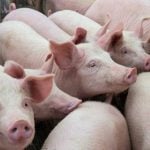
Hog Industry Announces New Sustainability Commitments

Major and possibly expensive changes lie ahead for Manitoba hog producers as the result of a new road map for the industry’s future. The Manitoba Pork Council plan released last week commits the province’s 700 pork producers to eliminating sow gestation stalls within the next 15 years. “Manitoba Pork commits to encouraging producers to phase

Manitoba Municipalities Receive Green Project Money

Twelve Manitoba municipalities will split $112,000 in grants to develop plans for reducing greenhouse gas emissions and preserving the environment. The municipalities will use the funds to develop action plans to conserve energy through municipal services. That could involve redesigning municipal buildings for energy efficiency, converting to geothermal heating or simply switching to low-energy light


China To Launch Energy Cap And Trade

China is planning trial efforts for an energy cap-and-trade scheme, applying market forces to its goals to reduce fossil fuel consumption and greenhouse gas pollution, the government said March 5. The announcement added to evidence that China will focus on using broad energy consumption levers to pursue its goal of cutting carbon intensity, a measure

Cellulosic Ethanol Another Income Stream For Corn Farmers

Cellulosic ethanol production using corn stover as the feedstock is going commercial, but over the short term it won’t make any more grain corn available for human or livestock use, according to Kyle Althoff. It will however, provide additional returns to farmers in the form of stover payments and potential agronomic benefits. “We don’t see