
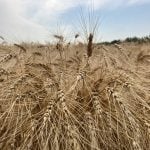
Late-season forages, supplemented with dried distillers grains, provide vital protein and energy that would otherwise be unavailable in late season.

DDG can help forage digestibility

The ethanol industry byproduct can help cattle 
get more from late-season grasses

One of the challenges for cattle producers around the world is getting the most out of late-season forage. In many cases forages become harder to digest later in the growing season, making them less beneficial for animals. Now a group of Texas researchers say supplementing these forages with dried distillers grain from the ethanol industry
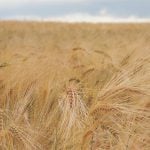
Alfalfa flowering and proper forage drying

Alfalfa flowering and proper forage drying

Forage and grassland conditions for Eastern, Central and Western Manitoba, and Interlake as of June 8

[Updated, June 16, 2017] This is the sixth (and final) release for the Green Gold program in 2017 assessing forage conditions in Manitoba. Reports will be issued from various areas of the Province (Eastern, Central, Interlake, and Western) in the weeks ahead. The reports below highlight the most recent forage conditions for Eastern, Central and Western


Alfalfa moves to late bud stage in Eastern Manitoba

Forage and grassland conditions for Eastern, Central and Western Manitoba, and Interlake as of June 5

This is the fifth release for the Green Gold program in 2017 assessing forage conditions in Manitoba. Reports will be issued from various areas of the Province (Eastern, Central, Interlake, and Western) in the weeks ahead. The reports below highlight the most recent forage conditions for Eastern, Central and Western Manitoba: Green Gold report for Eastern Manitoba,

When grasses reach this height, it's a good time to consider cutting.

Alfalfa in early bud stage, time to cut alfalfa/grass mixes

Forage and grassland conditions for Eastern, Central and Western Manitoba, and Interlake as of June 1

This is the fourth release for the Green Gold program in 2017 assessing forage conditions in Manitoba. Reports will be issued from various areas of the Province (Eastern, Central, Interlake, and Western) in the weeks and months ahead. The reports below highlight the most recent forage conditions for Eastern, Central and Western Manitoba: Green Gold report for


First forage cuts fast approaching

First forage cuts fast approaching

Forage and grassland conditions for Eastern, Central and Western Manitoba, and Interlake as of May 29

This is the third release for the Green Gold program in 2017 assessing forage conditions in Manitoba. Reports will be issued from various areas of the Province (Eastern, Central, Interlake, and Western) in the weeks and months ahead. The reports below highlight the most recent forage conditions for Eastern, Central and Western Manitoba and the Interlake: Green

Window opens on first forage cut of 2017

Window opens on first forage cut of 2017

The Manitoba Forage and Grassland Association estimated the province’s ‘Hay Day,’ when 
forage quality begins to hit the cut-off for 
optimum quality at May 30

Hay Day is on the horizon, according to the first Manitoba Forage and Grassland Association Green Gold reports. Between May 18 and May 23, eastern Manitoba forage stands had dropped 34 points, although growth had slowed due to cooler temperatures, with plants adding only 1.3 inches in height. The east averaged 221 relative feed value


Frost damage in alfalfa that occurred on May 19.

Alfalfa sees rapid growth, and a question about stubble

Forage and grassland conditions for Eastern, Central and Western Manitoba, and Interlake as of May 25

This is the second release for the Green Gold program in 2017 assessing forage conditions in Manitoba. Reports will be issued from various areas of the Province (Eastern, Central, Interlake, and Western) in the weeks and months ahead. The reports below highlight the most recent forage conditions for Eastern, Central and Western Manitoba and the Interlake: Green

MBFI research co-ordinator Kristelle Harper stands in front of the herd at the Manitoba Beef and Forage Initiatives Johnson Research Farm.

Putting spurge on the menu for research — and cattle

With an incoming learning centre and research ranging from rodent control to grazing systems and leafy spurge, 2017 looks to be busy for Manitoba Beef and Forage Initiatives

Manitoba Beef and Forage Initiatives (MBFI) is ramping up for 2017. Preparations are underway for a long list of projects at the collaborative’s three test farms outside of Brandon. “Some of them are continuing projects from last year,” said MBFI president Ramona Blyth. “Research is never just done in one year, so there’s the carry-over


Forage growth in the West/Central area on May 23.

Some winterkill seen in forages, alfalfa growth advancing quickly

Forage and grassland conditions for Eastern, Central and Western Manitoba as of May 23

This is the first release for the Green Gold program in 2017 assessing forage conditions in Manitoba. Reports will be issued from various areas of the Province (Eastern, Central, Interlake, and Western) in the weeks and months ahead. The reports below highlight the most recent forage conditions for Eastern, Central and Western Manitoba: Green Gold report for

A field in the western Pembina Valley region is one of several in the area to report patchy regrowth.

Eyes on winterkill as producers assess forage stands

Some forage fields are lagging, a number of producers in the east and 
central Manitoba have said, but the final toll is still up in the air

It appears forage producers in eastern Manitoba are suffering the same weather-related winterkill that hit winter wheat in the region. The Manitoba Forage and Grassland Association (MFGA) says it has got reports of damage in the southeast corner of the province, while producers in the western Pembina Valley have also noted poor regrowth. “Part of