

Grounded

It is easy to see why drones, also known as unmanned aerial vehicles (UAVs) are without a doubt the hottest new technology to hit the Farm Belt. They offer a relatively inexpensive option for comprehensive field scouting, allowing farmers to easily pinpoint troubled spots in their fields for closer inspection. We suspect that over time
The rooster’s wake-up call

Anyone who has lived on or near a farmyard with chickens is well aware of the rooster’s ability to trumpet the arrival of morning long before the sun peeks over the horizon. But roosters have been delivering a wake-up call of a different sort lately — sounding the alarm over the risks inherent with the


Difficult questions

The short-term questions arising from what is shaping up to be another billion-dollar-plus flood for the province are clear, although they may not be easily answered. How do you care for livestock that has no pasture and for which there is vastly reduced prospects for winter feed? Or how to get people back into their

Looking below the surface

Some of the world’s top soil scientists and conservation agriculture exponents convened for the sixth World Congress on Conservation Agriculture in Winnipeg last week. The message from speakers was on one hand sobering, if not frightening — massive soil erosion continues around the world, and in both developed and undeveloped countries. The good news is


Worthwhile trade-off

New drainage and water management initiatives announced earlier this month will make it easier for Manitoba farmers to drain low spots in their fields, but harder — much harder — to convert wetlands into annual crop production. It may seem like a nuanced distinction and it will undoubtedly make many in the farming community nervous

A cause for dairy industry reflection

Milk is not just any food — as the first meal for humans and all fellow mammals, it is literally the giver of life, and as such has spiritual and even religious significance. We have special feelings about milk. One of the most successful advertising slogans in history was Carnation’s “From contented cows.” It connected


rooster and hen in a farmyard

Finding a better balance

There once was a rooster on our farm that was so nasty and unpredictable, he wound up in the stewing pot after a violent confrontation with Uncle Jerry — an event that even decades after the fact remains a cherished bit of family folklore. That rooster was big, beautiful and fearless. He ruled the roost with

So much for the ‘cheap food’ defence

Ag boosters habitually fall back on two defences whenever someone questions why farmers do things the way they do — usually on ethical or environmental sustainability issues. We’ve dealt with fallacies of the first mantra — our farmers must feed the world — previously in this space. Increasing the productivity of small-scale farmers — most


honey bees in a hive

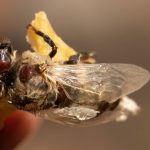
Thinking of bees

Bees rank right up there with climate change these days for the volume of studies and stories that cross a farm newspaper editor’s desk. Sometimes the two are even linked, such as the prediction that Africanized honeybees, which can be fatally aggressive, will make their way north from the southern U.S. as median temperatures rise.

Coming clean on antibiotics

Canadian health and veterinary authorities have been discussing the virtually unregulated and poorly monitored antibiotic use in farm animals since the late 1990s. Now Health Canada is starting to do something about it. In new protocols to be phased in over the next three years, producers wishing to use antibiotics considered important to human medicine