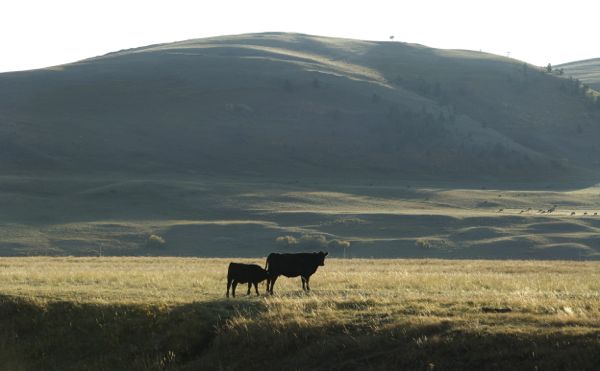
With a growing move to later calving, make sure your forage system matches when the animals 
are arriving on pasture.

BeefTalk: Why push a chain up a hill?

Matching cattle inventory and calving date with appropriate forage-based systems is critical

The recent thaw has helped cows into their generally relaxed routine in which they’re essentially finding shelter, eating, drinking and returning to shelter. The slow days of late gestation are eminent. In another month, many cows will be calving. Producers have time now to look ahead. In fact, the cow actually is looking ahead as

Cattle values soften as markets seek a new low

Cattle values soften as markets seek a new low

Retail beef purchases should slow after Labour Day

The cattle market seems to be carving out a bottom for itself as the summer season winds down. Just over 650 animals made their way through the rings of the few auction marts that were open during the week ended Aug. 25. Prices were a bit softer than last week, for the most part. Butcher


Beef 911: Preconditioning is good for the entire cattle industry

Beef 911: Preconditioning is good for the entire cattle industry

There are a multitude of benefits but producers need to be compensated for the extra work and risk

Older producers may remember a preconditioning program implemented by the provincial Agriculture Department in the 1980s. There were criteria for procedures and shots, while veterinarians certified that procedures such as dehorning and castrating were done properly and correct pre-immunization shots were given properly. Two categories of calves (either pre-immunized or pre-immunized and weaned a specific

Photo: Debbie Furber

Six ways to keep your cattle wormer working

Resistance among internal parasites to broad-spectrum cattle wormers is emerging in Canada and experience in other countries leaves no reason to believe the problem won’t worsen. On the brighter side, producers here still have a fighting chance to retain the efficacy of available cattle wormers by combining parasite control strategies, says epidemiologist Dr. Fabienne Uehlinger


(Photo courtesy Canada Beef Inc.)

Klassen: Feeder cattle upward trend stalls

Western Canadian feeder cattle prices were relatively unchanged from week-ago levels. Noticeable slippage was noted in shorter-keep cattle while lighter weight categories experienced spurts of $2-$3 above last week’s prices. Alberta packers were buying fed cattle at $292 on a dressed basis, up about $4-$6 from week-ago levels. However, auction rings experienced a subdued tone

Beef 911: Calving problems are becoming rare, but be prepared to act

The first key step is to note when the birth process starts and investigate if too much time passes

Numerous articles have been written over the years on how and when to intervene at calving, how to recognize malpresentations, and what to do about them. Producers now see fewer and fewer calving-related problems as our breeding has improved and we select for easy-calving heifers with larger pelvises and moderate birth weight bulls. Ensuring cattle


Photo: File

Six risk factors for BRD in feeder calves

There are many factors to consider to minimize BRD (bovine respiratory disease) when bringing in feeder calves. Knowing the history of the calves at weaning time, distance transported, vaccination and health history, as well as upcoming weather conditions will help you determine the level of risk. In bringing in calves, or for that matter feeding


Grocery aisle

Food Freedom Day — celebrate and support the Canadian value chain

Forty per cent of consumers put their money where their mouth is paying for local food

Every year the Canadian Federation of Agriculture (CFA) calculates the calendar date when the average Canadian has earned enough income to pay for his or her annual grocery bill, coined ‘Food Freedom Day.’ This year, Food Freedom Day falls on February 7. As Canadians, we enjoy a safe and abundant food supply thanks to all